
Life
3 Modern Diseases That Ruin Your Life And How To Avoid Them


You might be wondering what modern diseases are. When you think of the term disease, pictures of ill people in a hospital come into your mind.
“But what has this to do with me? I am completely healthy!” You keep wondering.
Modern diseases don’t necessarily affect your body and can’t make you ill by raising your body temperature. However they can have an indirect impact to your health.
They have the power to ruin your life more than anything but only if you let them do so. The fact is that you can have complete control over them, but if you fall in the temptation to relinquish control you will be beaten to the ground.
“Every human being is the author of his own health or disease” – Buddha
What are these modern diseases?
They are activities that affect your way of living in a negative way and are obstacles to everyone who wants to become successful in life.
These activities are:
- Video games
- Television
- Social media
If these three are leveraged correctly they can give you a huge boost in your life and can be a really powerful tool, but only if you don’t fall in the trap of relinquishing control.
The technology expansion has given us amazing benefits and made our life much easier and more comfortable. However it has created activities that enslave our brains and make us live like zombies. Zombies which don’t think, don’t take risks and don’t seek growth in life but only in a virtual reality.
Activities that distract us from finding our purpose in life and make us believe we are not great enough to break out of homeostasis.
If you still believe that video games, television and social media can offer you benefits, make you more productive and improve your life’s quality then try to find someone who is really successful and you will be astonished by the fact that he doesn’t spend time in these worthless activities.
I don’t know any successful person who achieved his goals and spent more than half an hour per day watching the latest popular series in TV or killing dragons in his Xbox.
1. Video games
After many years of spending unlimited hours in video games and staying in front of a digital reality world from morning to night (with breaks only for food and WC) I came to the conclusion that I have lost a ton of precious time.
I would give everything to have that time back. Unfortunately when your life goes away it never returns and never forgives you. It doesn’t care about how you spend it, it just goes away. When you realize that it’s gone, it might be too late.
Fortunately for me, I have realized it soon enough in my life and that’s the reason I want to share this with as many people as possible because making that realization when you are 40 or 50 will destroy you. You won’t be able to handle the repressed emotions, you won’t be able to turn back the time and do all the things you didn’t do.
Some people might say that video games offer entertainment. Some might say that video games are proven to improve mind and reflective. Even if this is true, these little benefits aren’t worth your TIME . You could do a million things that have a huge positive impact on yourself instead of killing monsters or playing football in front of a TV screen.
You spend all your time in front of a reality world and then you keep wondering why your life is so miserable, why your girlfriend dumped you for somebody else or why you don’t have money and need to live with your parents.
But why are you wondering? The only person who has control over your life is you and by relinquishing that control you let circumstances ruin your life’s quality.
2. Television
Okay, not all TV programs are terrible and time-wasting. You can find shows or movies which are entertaining and give information. Unfortunately the majority of TV shows are crap and don’t offer anything at all. They are a total waste of time.
There was a period in my life that I could spent 4-5 hours per day watching TV. I have spent an entire summer in front of a TV screen watching worthless shows and movies instead of going to the beach and enjoying my life.
When I rewind those moments my feelings are mixed. I feel so ashamed about myself 5 year ago but I also feel so proud for me today. I don’t watch television at all, I don’t even have a TV at home and if I want to see a movie I simply watch it online.
Television has a major disadvantage. You don’t have many choices about what you can see. You just open it, search the 4-5 best channels and check what they have to show you. On the other side internet provides countless information and choices.
At least you have the ability to choose what you will see instead of opening the TV and being fed up with the program that X or Y channel decided to show at 6pm. Does this mean that you can’t get lost in the internet? Of course not, but at least you have a little more control over your choices.
Fred Allen has said that “Television is the triumph of machines over people” and he was completely right. Do you know how awesome it feels when you stop brainwashing yourself with stupid TV shows?
You instantly have 3 to 5 free hours to spend on yourself by exercising, reading a book, starting a new hobby or just sleeping. You have more time to socialize, meet new people and do something meaningful with your life. You aren’t a slave to TV anymore.
“I find television very educating. Every time somebody turns on the set, I go into the other room and read a book.” – Groucho Marx
3. Social media
The growth of social media in the last decade was astonishing. The internet was flooded with millions of people full of narcissism and insecurities trying to validate themselves through a social profile where they showcase their experience, beauty and life.
Social media can be a really great tool to communicate, connect and meet new people or even help your business grow. They have a great power, but you have to use them in the right way. If you let them control your life then you have lost the game. How do you know that you have let them control your life?
When you go for a drink with your friends and the only thing you can remember from that night is that Becky liked your profile picture at 2.20 am or the “check in” you did on Facebook at 3.00 am with title “having amazing fun with my buddies“.
Sure, you had amazing fun. That’s why you spent almost all the night scrolling down your social profile timeline. You know that you have let them control your life when you are continuously checking your smart phone and the only thing you care about is how many people liked or shared your photo.
When you eat dinner with your family and instead of talking with them you check your snapchat updates. Or when you don’t have something productive to do and you decide to kill your time on Instagram. That’s how it is when you let social media control your life.
How to take control of your life:
Many people suffer from addictions to these three “modern diseases” and can’t find a way to take back control over their lives. It’s easy to give advice like “come on, just shut down the TV” or “the only thing you have to do is to close the video game” but it’s not so simple.
When you are deeply addicted, both emotionally and pshycoligically it’s so difficult to disconnect and just close the video game or simply shut down the TV. That disease doesn’t let you grow and keeps you static and mediocre.
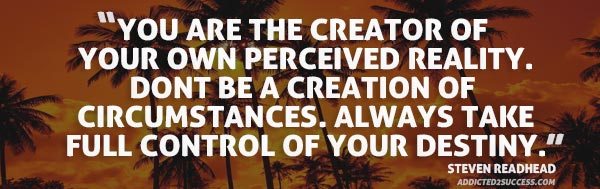
Personal growth occurs because of two reasons:
- Because of a tragedy.
- Because of a huge goal, a burning desire that makes you want to succeed. These are the only two motives that force personal growth. The truth is that the first one is much stronger.
Think about it. When is it easier to run faster? When you know that if you run fast enough you will win $10,000 or if your life is threatened and you know that if you run fast enough you will save your life.
In both cases you will run, but the second case is a tragedy and is more likely to force you to succeed and run fast enough to win. The only way to cut these worthless activities and regain control over your life is by creating a tragedy.
How are you doing that? Easier said than done but you have to:
- Delete all your data in the video game.
- Sell your TV or video game.
- Throw your video game/TV out of the window or break it down(though it’s more profitable to sell it)
- Delete your social media accounts.
These might sound a bit extreme but the only way to stop doing something is by not having the ability to do it. When are you more likely to binge eat and gain weight? When you have a kitchen full of biscuits, sweets and chocolates or when you have a kitchen full of fruits and vegetables? If you don’t have the ability to do something then you will end up not doing it.
When I moved to my new house I noticed that I didn’t spend time watching TV because I haven’t bought a new TV yet. This saved me 2-3 hours per day and I ended up never buying a new TV because I realized the time-saving benefit.
If you find yourself in a situation where your life sucks and your dreams fly away, then modern diseases are probably ruining your life. Sell your TV, video game, burn it or break it down. Delete all your data from your social profiles. Just get rid of them completely. That’s the only way to take back control of your life.
What’s your experience with modern diseases? Do you believe they have a negative or positive impact on your life? Let me know what you think in the comments below.















Most people are not stuck. They are occupied and occupation has become the proof that their life is going somewhere.
A full calendar, a cleared inbox, a course left open in a tab. From the inside it feels like motion. From the outside it is a person maintaining an identity. The identity is “someone who is working on it.” That identity is comfortable, because it never has to finish. Finishing would force a result into the world, and a result can be judged. Busyness cannot… Busyness can only be respected.
This is why a year can pass and look identical to the one before it. You did not waste it on the couch. You spent it protecting the story that effort and progress are the same thing. They are not. Effort is energy spent. Progress is a change in the world that was not there before you sat down. An invoice sent. A page that exists. A skill you can perform without the tutorial beside you. A decision that used to live in your head and now lives in someone else’s. If none of those appeared, you rehearsed. Rehearsal feels like training. It does not move the life.
The mind will argue with this, because the mind is loyal to the identity. It will offer the meetings, the late nights, the fact that you care. Caring is not evidence. Tired is not evidence. The only evidence is an artifact, something a stranger could encounter without you explaining how hard the week was. When that artifact is missing, people reach for a harsher story. They decide they are the kind of person who does not follow through. A lot of the signs people read as failure are this misreading. The pattern is real. The verdict is early. You have been reinforcing a self that stays in motion so it never has to become a self that ships.
Attention is the material. Not time. You can have twelve hours and still produce nothing, if those hours are leased out to whoever asked last. Other people’s urgency is a drug. It lets you feel necessary without choosing. Choice is heavier. Choice means one outcome for the week, named before the noise arrives, small enough to finish and specific enough that you will know if you lied. A theme is not an outcome. “Get healthier” and “work on the business” can survive any week unchanged. “The page is live” cannot.
When the smaller request shows up, and it will, with a person attached and a tone that implies you are difficult if you decline, that is the test. Saying yes keeps the identity intact. You remain the reliable one, the one who responds, the one whose calendar proves they are in demand. The cost of being that person is the outcome you named, quietly deleted so you can stay liked. One refusal is not a personality. It is how the chosen thing survives.
The rest is almost dull, which is why people skip it for another system. Preparation without a point at which it must become the thing is a sophisticated form of delay. Research feels like virtue. A draft, even a bad one, is a commitment. Before you leave the work, leave a trace of the outcome, not a trace of your responsiveness. A paragraph. A number. A message that asks for the decision. The trace is what your future attention will be able to build on. A memory of having been busy will not be there. Memory keeps the stress and misplaces the output.
Do this long enough and the identity starts to lose. Not in a speech. In a pile. Weeks that each left one finished thing do not feel like a reinvention while you are inside them. They feel like slightly less drama. Later, the life is different, because you stopped using activity as a substitute for becoming the person who completes.
Busy was never the problem. Busy was the costume. The work moves when you are willing to be seen with a result, instead of with a schedule.
Here is a video I shot on YouTube about how you can get unstuck:
Enjoy!


A wrongful death case is not a story most founders expect to be in. It arrives as a call, a name, and a stack of questions that do not wait until the business is quieter. Who is allowed to file, who else may be responsible, what can be proved, what the family has lost, and how long the law gives you all sit underneath the outcome. The piece below is the plain version of those questions, before anyone is asked to guess at a result.
Several legal questions sit behind a wrongful death lawsuit long before the case reaches a final outcome. The people involved, the party who may be responsible, the evidence available, the losses that can be documented, and the deadline for taking legal action can all affect how the case is handled. Pursuing a wrongful death lawsuit therefore involves more than presenting the basic facts surrounding a death.
Each detail has its own place in the legal process, and some issues may require closer review than others. Looking at these details together helps show what can shape the case from its foundation through the stages that follow.
Establishing Who Can Bring the Lawsuit
The first legal detail is identifying who has the right to bring a wrongful death lawsuit. The answer is not the same in every situation because state laws can set specific rules about who may file and how the case may be handled.
A surviving spouse, child, parent, or another eligible person may have a role under the law that applies to the case. In some situations, a personal representative of the estate may also be involved.
The relationship between the person who died and the person bringing the case can therefore matter. Legal records may be needed to establish that relationship and the person’s role in the lawsuit.
Identifying the Parties Connected to the Death
A wrongful death case also requires attention to the parties connected to what happened. The person responsible may not always be the only party involved. Depending on the circumstances, a business, employer, property owner, driver, or another organization may have a connection to the events.
The available facts help identify which parties need to be considered. Accident reports, workplace records, property information, medical records, and other documents may provide useful details about the circumstances.
Identifying the right parties early can help keep the case focused. It also gives the legal process a clearer record of who may be connected to the events being examined.
Building the Case Around Evidence
Evidence gives structure to the facts of a wrongful death case. Without a clear record, important parts of the circumstances may be difficult to establish.
Relevant evidence can include:
- Police or accident reports
- Medical records
- Photographs and video
- Witness statements
- Employment and financial records
Each source can provide a different part of the account. A photograph may show conditions at an accident scene, while a witness statement may describe what was seen. Medical records can provide information about the injuries and treatment that followed.
The strength of the record depends on the facts and evidence available. Each document needs to be reviewed in relation to the circumstances of the death.
Understanding the Losses That May Be Part of the Lawsuit
The legal details do not stop with the cause of death. A wrongful death case may also involve losses connected to the person who died and the surviving family members.
Depending on the law that applies, these losses may include funeral expenses, medical costs related to the final injury or illness, lost income, and other documented losses. Some laws may also recognize other types of damages.
The records supporting these losses can be important. Bills, income records, employment documents, and other financial information can help show the amounts involved.
The types of losses that may be considered depend on the applicable law and facts of the case, so each matter requires its own review.
Paying Attention to the Filing Deadline
Time can become one of the most important legal details in a wrongful death lawsuit. Laws often set a deadline for starting legal action, commonly known as a statute of limitations.
That deadline is not necessarily the same for every case. It can depend on the state, the type of claim, and other facts surrounding the death. Certain circumstances may also affect how the deadline is calculated.
Because missing a legal deadline can affect the ability to pursue a case, the applicable time limit needs to be identified as part of the legal review.
Preparing for Disputes Over Fault or Damages
A wrongful death lawsuit may involve disagreements about responsibility or the losses being claimed. The opposing side may challenge the facts, question the evidence, or disagree about the amount of damages.
These disputes can bring more attention to the records supporting the case. Witness accounts may need to be compared, documents may need further review, and certain facts may remain contested.
A disagreement does not mean every part of the case is unclear. It means the disputed points need to be separated from the facts that can be supported by available evidence.
Bringing the Legal Details Together
By the end of the review, the strength of the case often comes down to how well its separate details fit together. Who can bring the lawsuit, which parties may be involved, the evidence available, the losses that can be documented, and the applicable deadlines all have a place in the process.
Pursuing a wrongful death lawsuit means keeping these details connected while paying attention to anything that could affect the case later. A careful review can help keep the focus on the facts, the available evidence, and the circumstances surrounding the death.

I was 31, in a rental with a desk by the window, and a man I had gone to school with had just posted a photo from the driveway of a house I could not have paid the deposit on.
I did the thing you are not supposed to admit. I opened his profile and went back two years. Then I opened another one. Then I sat there with the laptop warm on my legs and did a silent audit of people who were not in the room. One had a title. One had a kid on his hip and a caption about being tired and grateful, which is a kind of wealth even when the tired part is true. One had sold something. I had a draft, a half-finished offer, and a week that had gone to other people’s emergencies. By the time I closed the laptop I had talked myself into being late for a race nobody had entered me in.
That feeling has a public name now. People call it a quarter-life crisis, and the piece we already have on the five stages of that stretch is the cleaner map. This is the messier part. The part where you are not in crisis so much as in a group chat, watching other lives render in higher resolution than yours.
The trick the feed plays is small and mean. It shows you the outcome and hides the Tuesday. The house does not come with the argument about the mortgage. The job title does not come with the Sunday night dread. The company that “just closed a round” does not come with the founder awake at 1 a.m. wondering if the round was a delay, not a win. You compare your unedited week with their edited year, and then you call the gap a fact about you.
I have done this with money, with work, and with the age I thought I would be married by. None of those clocks were mine. They were borrowed from an uncle, a podcast, and a man on the internet who got lucky in 2016 and has been explaining it as a system ever since. The system part is what gets you. If his life is a system, then your life is a failure of discipline. That is a very expensive story to believe, because it sends you into a month of frantic catching up that does not move the thing you actually wanted.
What I started doing, after too many of those nights, was writing the comparison down in a boring way. Not a mood journal. Three lines. Whose life I had just measured myself against. What I had actually seen. What I had invented. The invented column was always longer. A photo of a kitchen became a marriage that worked. A conference badge became a career that was settled. I was filling in a whole house from a door.
There is a related panic that sounds more practical. The sense that you are not behind other people so much as behind the version of you that was supposed to have arrived by now. That one is harder, because it does not require a feed. It only requires a promise you made at 23. We have a harsher page on the signs people read as failure, and a lot of the traffic on it is this exact hour. Someone is up, searching, trying to find out if the feeling is a forecast. Most of the time it is a forecast they wrote themselves, then forgot they were the author.
The useful question is not “am I behind.” It is “behind relative to what, and did I agree to that clock.” A man who wanted a company by 30 and has a job he does not hate is not late. He changed his mind, or the market did, and he has not updated the sentence. A man who wanted a company and has spent two years performing busyness for an audience of classmates is late for his own work, which is a different problem and a more fixable one.
I still keep a record of the week, because the feed is a liar and my memory is loyal to it. A plain note is enough. Some people want the note to argue back with a chart, sleep, training, the hours that actually went to the work. Whoop will do that if you already wear one. A paper line on the fridge will do it if you will not. The tool is not the point. The point is having something in the room besides the photo from the driveway.
If you are in the year I was in, the house is not evidence. It is a photo. Your week is the thing you can still edit, and it will not look like his driveway even when it is going well. That is not you failing the timeline. That is the timeline being a collage of other people’s endings, pasted over the middle of your ordinary Thursday.
Here is a talk I delivered LIVE in Capetown on how you can stop comparing yourself to others

A second chance rarely begins with one big breakthrough. More often, it starts with a caseworker returning a phone call, a reentry coordinator helping someone get an ID, a housing navigator finding a safe bed, or a workforce specialist connecting a person to training. Across public sector jobs and community-based roles, these workers help people rebuild after incarceration, addiction, homelessness, family instability, and other setbacks that can make the future feel out of reach.
Why do second chances take more than one program?
Second chances take more than one program because people rarely face just one barrier at a time. Someone leaving incarceration may need housing, transportation, mental health support, substance use treatment, employment services, legal documents, family reunification help, and a plan for meeting supervision requirements. A person recovering from addiction may also be trying to repair relationships, manage debt, find stable work, and avoid returning to unsafe environments.
That is why effective support is usually coordinated, not isolated. A job training program matters, but it may not work if the participant has no childcare. A housing referral helps, but stability can still fall apart without income, treatment, or peer support. Second chances public service workers often become the bridge between these moving pieces, helping people navigate systems that can otherwise feel confusing, intimidating, or impossible to manage.
The daily work behind rebuilding a life
The public often sees the outcome: someone gets a job, stays housed, completes treatment, or reunites with family. What is less visible is the steady, practical work that helps make those outcomes possible. Reentry workers, social workers, probation and parole staff, housing specialists, behavioral health teams, and nonprofit partners often spend their days solving problems that do not fit neatly into one category.
They may help a person gather documents, prepare for an interview, enroll in benefits, schedule counseling, or understand court requirements. They may also coach people through frustration when applications are denied, appointments are missed, or progress is slower than expected. This work requires patience because setbacks are common, but it also requires accountability. The goal is not simply to offer sympathy; it is to help people take realistic next steps and stay connected to support long enough for those steps to matter.
For many clients, trust is one of the first barriers. People who have experienced incarceration, homelessness, addiction, or repeated system involvement may expect judgment or disappointment. Public service workers can change that dynamic by being consistent, clear, and respectful. Over time, reliability becomes part of the intervention.
Coordinated services turn good intentions into real support
When multiple agencies serve the same person, coordination can make the difference between progress and overwhelm. Without it, clients may have to repeat their story again and again, carry paperwork between offices, or receive conflicting instructions. Workers may also miss important updates, such as a housing change, a relapse risk, a missed appointment, or a new employment opportunity.
This is where public sector case management software can support the human side of the work. Used well, it helps teams track referrals, document goals, monitor service plans, and communicate across programs while protecting sensitive information. Software does not replace relationships, judgment, or compassion, but it can reduce administrative friction so workers have more time to focus on people.
Strong coordination often includes:
- Shared goals: Workers and clients understand what success looks like, whether that means stable housing, employment, recovery milestones, compliance, or family stability.
- Clear referrals: Each service connection has a purpose, a next step, and a person responsible for follow-up.
- Timely updates: Teams can respond quickly when circumstances change instead of waiting until a crisis grows.
- Client-centered planning: The plan reflects the person’s real needs, strengths, risks, and readiness, not just program availability.
- Reduced duplication: Agencies avoid making clients complete the same tasks repeatedly when information can be responsibly coordinated.
What challenges do people face after incarceration, addiction, or homelessness?
People rebuilding their lives often face practical barriers and emotional pressure at the same time. After incarceration, a person may struggle to find employers willing to consider them, secure housing with a record, or rebuild family trust. After homelessness, the daily work of survival can leave little room for paperwork, appointments, or long-term planning. After addiction, recovery may involve changing routines, relationships, environments, and coping skills all at once.
These challenges can stack quickly. A missed bus can lead to a missed appointment. A missed appointment can delay benefits. Delayed benefits can increase stress, and stress can increase the risk of relapse, conflict, or disengagement. To someone outside the situation, the problem may look like a lack of motivation. To a trained worker, it may look like a system of barriers that needs to be broken into manageable steps.
That is why public service workers often focus on both immediate needs and long-term stability. They may help someone secure food or shelter today while also building a plan for employment, recovery, education, or family support. The best work recognizes urgency without losing sight of the bigger picture.
Workforce development creates a path toward stability
Employment is not the only measure of a successful second chance, but it is often a turning point. Workforce development programs can help people build skills, prepare resumes, practice interviews, earn credentials, and connect with employers who are open to hiring candidates with nontraditional backgrounds. For someone trying to rebuild, work can provide income, structure, confidence, and a stronger sense of belonging.
Still, workforce support must be realistic. A person may need help explaining gaps in employment, arranging transportation, finding clothing for interviews, or balancing work with treatment or supervision requirements. Workers who understand these realities can help participants choose opportunities that are achievable, not just available.
Effective workforce development for people rebuilding their lives often includes:
- Assessment of strengths and barriers so the plan fits the person’s skills, goals, and immediate needs.
- Job readiness coaching that covers communication, punctuality, conflict resolution, and workplace expectations.
- Training or credential pathways that connect to real opportunities in the local labor market.
- Employer engagement to build understanding and reduce stigma around hiring people with past setbacks.
- Post-placement support so challenges at work do not immediately become job loss.
When workforce teams coordinate with case managers, treatment providers, housing programs, and community organizations, employment becomes part of a broader stability plan rather than a stand-alone requirement.
The people behind the process make the system more human
Systems can be hard to navigate even for people with time, transportation, internet access, and stable housing. For someone in crisis or transition, the system can feel like a maze. Public service workers make that maze more human by translating requirements, setting priorities, and helping people recover from mistakes without giving up.
Their work also benefits communities. When people receive support that helps them stay housed, employed, healthy, and connected, families become more stable, and neighborhoods become stronger. The impact is not limited to the individual client; it can extend to children, employers, service providers, and public systems that are less burdened by repeated crises.
A stronger future depends on connected support
Helping someone rebuild after incarceration, addiction, homelessness, or another major setback is complex work. It requires compassion, structure, coordination, and practical tools that help workers see the whole person, not just one problem. No single program can carry that responsibility alone.
The most effective second chances happen when public agencies, community organizations, workforce partners, and frontline workers move in the same direction. Behind every successful fresh start, there is often a network of people who refused to let one setback define an entire life.

How to Create a Versatile Wardrobe Without Buying Too Much

Scaling Your Brand in NYC: The Strategic Guide to Taxi Toppers

Two Paths Into Mental Health Care: Choosing the Career That Fits You

Is a Healthcare Management MBA Worth It? What You Should Know Before You Commit

Why Some Wealthy Men Keep Their Finances Private While Dating

5 Ways For Startups To Succeed Making Acquisitions

77 Inspirational Quotes That Will Change Your Life
57 Memorable Kobe Bryant Quotes

(Images) 52 Motivational Picture Quotes For An Epic Year Of Success

40 Rare Motivational and Inspirational Picture Quotes

3 Prince EA Videos To Change Humanities Path To Greatness

(Video) What Is Success? An Entrepreneurial Story To Inspire You

(Inspirational Video) What If Today You Knew You Were Going To Take Your Last Breath?

How To Make Enough Money From A Blog To Quit Your Job – Kate McKibbin

How Finding Your Passion And Becoming An Entrepreneur Can Lead To Happiness – Chiquita Searle
-

 Life2 years ago
The 5 Stages of a Quarter-Life Crisis & What You Can Do
-

 Did You Know1 year ago
7 Surprising Life Lessons Video Games Taught Me That School Never Did
-

 Success Advice1 year ago
Stephen Covey’s 8 Leadership Habits That Will Change How You Lead Forever
-

 Life1 year ago
How to Stop the War in Your Head and Find Peace
-

 Featured2 years ago
The Psychology of Motivation: How to Keep Moving Forward Every Day
-

 Personal Development1 year ago
The Three-Second Pause That Changes How People Perceive You
-

 Explode Your Social Media1 year ago
Want More Views? Master These 6 YouTube Growth Tactics
-

 Change Your Mindset1 year ago
You Become What You Absorb: How Input Shapes Your Life
22 Comments