
Life
How Playing It Safe Can Ruin Your Life


Have you ever missed out on a great opportunity because you played it safe?
Think about it. Look back over your life and think about the things you could have done. The opportunities you could have taken, the people you could have befriended, the experiences you could have savoured.
But back then those things seemed scary and risky. Wanting to play it safe, you elected to stay in your comfort zone at the time.
From where you sit now, you can easily and clearly see that you should have acted upon some of those things. In retrospect, those things were scary or risky at all – just different and new. They were, in all actuality, blessings that you walked away from.
It’s a sobering and outright sad feeling, isn’t it?
Playing It Safe Isn’t About Safety At All
You’re not the only one who has done that. Most of us have a tendency to play it safe.
Some of us equate playing it safe with being sensible and prudent. But most of the time, it’s something else all together.
The real problem isn’t safety or risk at all. The real problem is fear.
As humans, we are hard-wired to allow fear into our decision making. Most of us simply don’t understand fear, where it comes from, or the role it plays in what we choose to do or not do.
By understanding it more, you can prevent fear from clouding your decision-making process.
It’s Not Brain Surgery
What if I were to tell you that there was a little tiny part of your brain that pre-wires you to avoid risk and play it safe? Well, there actually is.
It’s called the amygdala and it plays a big part in what motivates us to behave the way we do. One of the functions of the amygdala is processing emotions – particularly those associated with survival. Like the emotion of fear for instance.
When you are in a familiar situation that you know to be safe, your amygdala is happy and secure – and so are you. But when something new or seemingly risky comes along, the amygdala kicks into high gear. It lets you know, “Hey, we’re outside our comfort zone here. Retreat! Withdrawal!”
Sometimes that reaction can save your life. Other times it can hold you back from a more fulfilling life.
The trick is learning to know the difference between valid fears of very real danger to our safety – and invalid fears of something new.
Mauled or Embarrassed – The Choice Is Yours
There are basically two types of decisions we make when we perceive danger or consequences. The first type, I call safe decisions – which are survival based. They keep us alive and assure we have adequate food and shelter. The second type I refer to as fearful decisions – which tend to keep us from taking less life-threatening risks and prevent us from spreading our wings.
Let’s take a look at some examples of both.
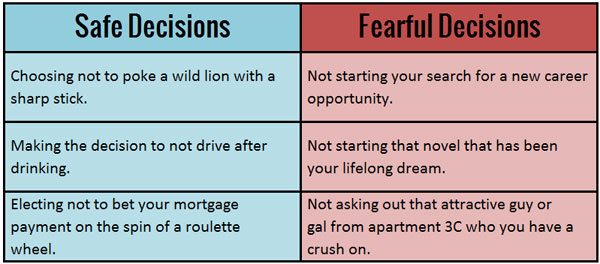
Safe decisions come from a very real fear of severe consequences to your health, life, or quality of life – while fearful decisions come from someplace completely different.
Look at that right hand column. If any one of those scenarios goes as badly as it’s capable of going, what happens? Does anyone die, go to prison, or lose their shelter? No. As it turns out the things we fear most seem to be much more about our feelings than they are about very serious consequences.
“I am an old man and have known a great many troubles, but most of them have never happened.” – Mark Twain
Our Five Most Common Baseless Fears
In my professional life, I’ve noticed time and time again that there are five major feelings-based fears that people let trip them up on their path to a better life. You’ll notice that they’re all very closely related.
1: Fear of failure
Have you ever passed on an opportunity to try something truly exciting because you were afraid you might fail at it? I have. The ironic thing is the fact that if you don’t try, you’ve already failed. So there’s really not much to lose. And yet we talk ourselves into believing that by not risking failure we’re somehow better off.
2: Fear of rejection
If you pitched your idea to the boss, or asked out that cute girl you like, or submitted your novel to a publisher, you might get rejected – and rejection hurts. So instead of feeling that emotion, we limit our potential and call it “playing it safe.”
3: Fear of inadequacy
This one usually manifests itself as, “I’m not good enough to do this thing I really want to do.” While this fear doesn’t necessarily originate from survival instinct, it’s no less powerful than any of the others.
4: Fear of unworthiness
Closely related to the fear of inadequacy, the self-talk associated with the fear of unworthiness sounds like, “Who am I to think that I might achieve that thing?” It comes from a place of humility, which normally is a good thing. But it’s also self-deprecating and destructive.
5: Fear of further commitment
This one should sound familiar, because we’re all guilty of it from time to time. We don’t always pass on opportunity because we’re afraid that we’re not good enough. Sometimes we know darn well that we’re good enough, but the ramifications of succeeding and the additional commitment needed after success is achieved scare the bejesus out of us.
Fighting Emotion With Logic
So now that you know that these fears are normal and that you’re not the only one who struggles with them, the question becomes: What can you do to get over them?
I find that instead of fighting raw innate human fears head-to-head, it’s best to use logic to take their power away.
When you find yourself letting any of those fears stop you from bettering yourself, run yourself through these three questions:
1: What is the worst thing that could happen if I ignored my fear and did this?
Take out a pen and paper and list all the potential (realistic) consequences. Would there be a loss of life, health, or livelihood? Or is the real risk just having to temporarily deal with an uncomfortable emotion like rejection or embarrassment?
2: What is the absolute best thing that could happen if I ignored my fear and went for it?
List all these, too. How might your life be different? What things might you learn? Who might you have the opportunity to connect with?
3: Are the possible consequences under #1 worth the potential benefits under #2?
Take a good look at both lists and give this question some thought. If the consequence of a particular action is death and the upside is a 10% pay raise – then your choice is simple. Avoid death.
But if the consequence of your action is rejection and the potential benefit is your dream career, swallow your fear and go for it.
Logic Tames The Beast
I know this seems incredibly simple – and it is. It’s simple and obvious because we just took an emotional issue and made it logical.
When you take the emotional power away from your fear and look at the situation as data – good decisions become much easier.
Do me a favor. The next time you find yourself “playing it safe”, run yourself through this quick exercise. Reduce the emotional to the logical. Then come back and let us know how things turned out.
Time to speak up!
Share a time when you felt fearful but took the leap anyway. Or share a tip about taking calculated risks.















When someone you love dies, the world does not pause to let you grieve. Within hours, there are calls to make and decisions to face, often while you are in shock and running on no sleep. It can feel like being handed a to-do list in a language you do not speak.
So what actually needs to happen, and in what order? Having a clear, calm sequence to follow can lift some of the weight at the hardest possible time. This guide walks through the practical steps, gently, so you can take them one at a time rather than all at once.
In the First Hours and Days
The very first steps depend on where the person passed away, and the good news is that others usually help you through them.
If the death happens in a hospital or care home, the staff will guide you and handle the immediate medical formalities. If it happens at home, you will need to contact a doctor or the relevant authorities so the death can be formally confirmed. In an unexpected death, calling emergency services is the right first move.
Once that is done, a few early tasks follow naturally:
- Contact close family and friends, and lean on them to help spread the news
- Choose a funeral home, which will collect the person and become a key source of support
- Begin looking for any documents that record the person’s wishes for their funeral
There is no need to rush the bigger decisions in these first hours. Give yourself permission to move slowly.
Getting the Documents You Will Need
One piece of paperwork underpins almost everything that follows, so it helps to understand it early. The death certificate is the official document you will need again and again, for banks, insurers, government agencies and the estate.
Your funeral home can usually help you register the death and obtain copies. A useful tip that saves stress later: order several certified copies at the outset, because many organisations insist on an original rather than a photocopy.
Keep these somewhere safe and organised. You will be surprised how often you reach for them over the following months.
Arranging the Funeral
With the immediate practicalities underway, attention turns to saying goodbye. This is emotional work as much as logistical, so accept help freely.
Start by looking for any wishes the person left behind, whether in a will, a letter or simply things they once told you. A funeral home will walk you through the choices around burial or cremation, the type of service, and the costs involved. It is completely reasonable to ask for an itemised price list and to take a trusted friend or relative along to help you think clearly.
Lean on your community here. People genuinely want to help, and funerals are one of the times it is right to let them.
Handling the Estate and Legal Steps
Once the funeral has passed, the practical matter of the person’s estate comes into focus. This is the part families most often find confusing, and it is worth knowing you do not have to face it alone.
The estate is everything the person owned and owed, and someone has to gather it, settle debts and taxes, and distribute what remains. If there is a will, it names an executor to do this. If there is no will, the situation is more complex, and this is far more common than people assume. Around half of Canadian adults say they do not have a will, according to the Angus Reid Institute. When someone dies without one, provincial law decides who inherits, which can surprise families and take longer to resolve.
This is often the point where professional help makes the biggest difference. Speaking with a Probate lawyer in Vancouver or in your own area can clarify what needs to happen and take real weight off an executor’s shoulders.
Westcoast Wills & Estates is a Metro Vancouver firm that helps executors and families through probate and estate administration. The probate process, where a court confirms the will and the executor’s authority, can take months, so patience and good records matter more than speed here.
Notifying the Right People and Organisations
A quieter task runs alongside everything else: letting the necessary institutions know. Working through this steadily prevents headaches later.
The list usually includes:
- Banks, and any pension or investment providers
- Government agencies, including tax and benefits offices
- Insurance companies, for life, home and vehicle policies
- Utilities, subscriptions and any ongoing memberships
- Employers, if the person was still working
Take it one organisation at a time, and keep a simple note of who you have contacted and when. There is no prize for doing it all in a day.
Looking After Yourself Through It
This is not an afterthought, it belongs on the list. Grief and paperwork are a punishing combination, and you cannot handle either well if you are running on empty.
Accept every offer of help, whether it is a cooked meal, a lift, or someone sitting with you while you make calls. Delegate tasks to family where you can. And be patient with yourself, because grief does not follow a schedule and there is no correct way to feel. If the weight becomes too much, reaching out to a grief counsellor or your doctor is a sign of strength, not weakness.
Conclusion
Losing someone is one of life’s hardest experiences, and the practical demands that come with it can feel cruel in their timing. Breaking it into steps, handled one at a time, makes the impossible feel manageable.
Deal with the immediate needs first, gather the documents, say goodbye in a way that honours them, and get good help with the estate. Above all, be gentle with yourself. This article is general information, not legal advice, so consult a qualified professional about your specific situation and the rules where you live.
Life
Title IX Accusations on Campus: What College Students Need to Know Before an Allegation Derails Their Future


You spent years building toward this moment: the acceptance letter, the scholarship, the dream of graduating and stepping into the life you mapped out. Then, without warning, a Title IX allegation lands on your doorstep.
For thousands of college students across the United States every year, a campus misconduct complaint does not just disrupt a semester. It can strip away financial aid, erase scholarship eligibility, trigger academic suspension, and permanently damage an authority’s reputation before a career even begins. If you are a student who values growth, achievement, and protecting what you have worked for, understanding Title IX is not optional; it is essential.
What Is Title IX, and Why Does It Apply to You?
Title IX is a federal civil rights law enacted in 1972 that prohibits sex-based discrimination in any educational program or activity receiving federal funding. While the law was originally written to ensure equal athletic and academic opportunities for women, its scope has expanded dramatically. Today, Title IX governs how colleges and universities investigate and adjudicate allegations of sexual harassment, sexual assault, stalking, and dating violence on campus.
According to the U.S. Department of Education’s Office for Civil Rights, every institution receiving federal funds- virtually every college in the country- is legally required to have a designated Title IX Coordinator and a formal grievance process for handling complaints.
That means the moment a complaint is filed against you, your school is legally obligated to investigate. The process moves fast, and the consequences are serious.
The Campus Process Is Not the Same as a Criminal Trial, But It Can Lead to One
One of the most dangerous misconceptions students hold is that a Title IX hearing is informal or low-stakes. In reality, a campus investigation can run parallel to or even precede a criminal investigation by law enforcement. The U.S. Department of Justice makes clear that schools and law enforcement operate independently, meaning you could face disciplinary action from your university and criminal charges simultaneously.
Campus disciplinary proceedings do not carry the same procedural protections as criminal courts. There is no presumption of innocence baked into the system. Investigators appointed by your institution serve the institution, not you. Evidence standards differ, and the burden of proof is often a “preponderance of the evidence” standard, meaning just over 50% likelihood is far lower than the “beyond a reasonable doubt” threshold used in criminal courts.
A finding of responsibility in a campus proceeding can result in suspension, expulsion, and a disciplinary notation on your academic transcript that follows you into every graduate school application, authoritative licensing board review, and background check for the rest of your life.
Five Things You Must Do Immediately If You Are Accused
The hours and days immediately following an accusation are the most critical. Here is what every student must prioritize:
- Say nothing without legal counsel present. Do not speak to the Title IX Coordinator, your university’s investigators, campus security, or local law enforcement until you have spoken with an attorney. Anything you say, even in an informal conversation, can be used against you in both the campus proceeding and potential criminal proceedings.
- Do not contact the complainant. Even if the accusation feels like a misunderstanding that a single conversation could resolve, any contact can be framed as witness tampering or harassment, compounding your situation significantly.
- Preserve all evidence. Text messages, emails, social media exchanges, photographs, location data, and witness contact information can all be critical to your defense. Do not delete anything.
- Request all documents from the school. Under the regulations issued by the Department of Education, you have the right to the evidence gathered against you. Know those rights and exercise them.
- Retain experienced legal representation immediately. The overlap between Title IX proceedings and criminal law is complex. You need an attorney who understands both systems. For students in the region, consulting with an experienced legal defense team in New Jersey who are familiar with both campus disciplinary processes and state criminal law is a critical step in mounting a credible defense.
Your Future Is Worth Protecting. Treat It That Way
The self-improvement community talks a great deal about resilience, reinvention, and getting back up after setbacks. But the most effective form of resilience is preparation, knowing what can threaten your goals before it does.
A Title IX accusation, handled without proper legal guidance, does not just pause your success story. It can end chapters you have not even written yet. The U.S. Department of Education’s student resources outline how findings of misconduct affect federal financial aid eligibility, a reality that can make completing your education financially impossible even if you later clear your name.
Protecting your future means taking every threat to it seriously, from day one.
If you or someone you know is facing a Title IX allegation, whether on a New Jersey campus or anywhere in the country, do not navigate it alone. Understand your rights, document everything, and get qualified legal counsel in your corner before the process moves forward without you.
Your goals did not disappear when the accusation was filed. The question is whether you will fight for them.

High performers aren’t defined by the good days. They’re defined by what they do in the first 48 hours after everything goes sideways. A serious car accident, a fall at a job site, a collision on I-95 these are the moments that test whether you actually operate with the discipline you claim on your LinkedIn bio.
Florida’s roads are unforgiving. Between the tourist traffic, the seasonal snowbirds, and some of the busiest highways in the country, serious accidents happen here more often than most people want to admit. According to the National Highway Traffic Safety Administration, Florida consistently ranks among the states with the highest number of traffic-related injuries and fatalities each year.
Success isn’t about avoiding the crash. It’s about what you do the moment after it happens. Here are five power moves the sharpest operators make when a serious accident threatens to derail everything they’ve built.
1. They Get Medical Attention First
Adrenaline is a liar. Plenty of ambitious people walk away from a wreck feeling “fine,” then wake up two days later unable to get out of bed. Soft tissue damage, concussions, and internal injuries frequently don’t show symptoms until well after the adrenaline wears off.
Successful people don’t gamble with their most valuable asset: their body. They go to the ER or urgent care immediately, even if they feel okay. The CDC’s Injury Center has published extensive data showing that delayed treatment after motor vehicle accidents is directly linked to worse long-term outcomes. Beyond the health risk, skipping care creates a paper trail gap that insurance companies will exploit later to argue the injury “wasn’t that serious.”
2. They Document Like a Founder Documents a Pitch
Entrepreneurs know that the story you can prove beats the story you can tell. The same logic applies at the scene of an accident. High performers instinctively start capturing evidence: photos of the vehicles, the road conditions, visible injuries, license plates, and the surrounding scene before anything gets moved or cleaned up.
They also get names and contact information for every witness on site, because memories fade and people move. This isn’t paranoia; it’s the same instinct that makes someone successful in business: control the narrative before someone else controls it for you.
3. They Understand the Rules of the Game Before They Play It
Florida operates under a no-fault insurance system, which means your own Personal Injury Protection (PIP) coverage is supposed to kick in regardless of who caused the accident but only up to a point, and only if specific deadlines are met. Miss the reporting window and that coverage can disappear entirely, according to guidelines published by the Florida Department of Highway Safety and Motor Vehicles.
Smart operators don’t wing this. They understand that insurance is a business built on minimizing payouts, and the rules are written in a way that rewards people who know them and punishes people who don’t. Before signing anything or giving a recorded statement, they get educated on exactly what they’re entitled to.
4. They Refuse to Negotiate Alone
This is the move that separates people who protect their future from people who get quietly taken advantage of. Insurance adjusters are trained negotiators whose job is to settle claims for as little as possible, as fast as possible, often before an injured person even knows the full extent of their damages.
Successful people don’t try to out-negotiate a professional on their own turf. They bring in representation. If you’re anywhere near Palm Beach County, working with legal professionals experienced in accident cases in Lake Worth means you have someone in your corner who deals with these tactics daily, understands local courts, and knows how to build a claim that reflects the true cost of the accident: medical bills, lost income, and the less obvious impact on your ability to work and perform.
Treating this like any other high-stakes negotiation where you never show up without leverage is exactly the mindset that protects six-figure outcomes instead of settling for a lowball check.
5. They Treat Recovery as a Comeback Strategy, Not a Setback
Here’s the mindset shift that separates the people who bounce back stronger from the ones who stay stuck. A serious accident isn’t just a physical event; it’s a disruption to income, momentum, and identity. The people who recover fastest treat the weeks and months after an accident the way they’d treat any major setback in business: they build a plan.
That means lining up medical care, legal support, and financial breathing room as a system, not a scramble. It means communicating clearly with employers, clients, or business partners instead of going dark. And it means giving themselves permission to actually heal instead of pushing through pain to “stay productive,” which almost always backfires and extends recovery time.
The accident isn’t the story. What you do in the days immediately after it is. The people who come back from serious injuries stronger, financially intact, and clear-headed are the ones who moved fast, documented everything, understood the system they were operating in, and refused to face it alone.
Relationship Advice
Engagement Pictures: Turning Your Proposal Journey Into a Story of Growth and Success
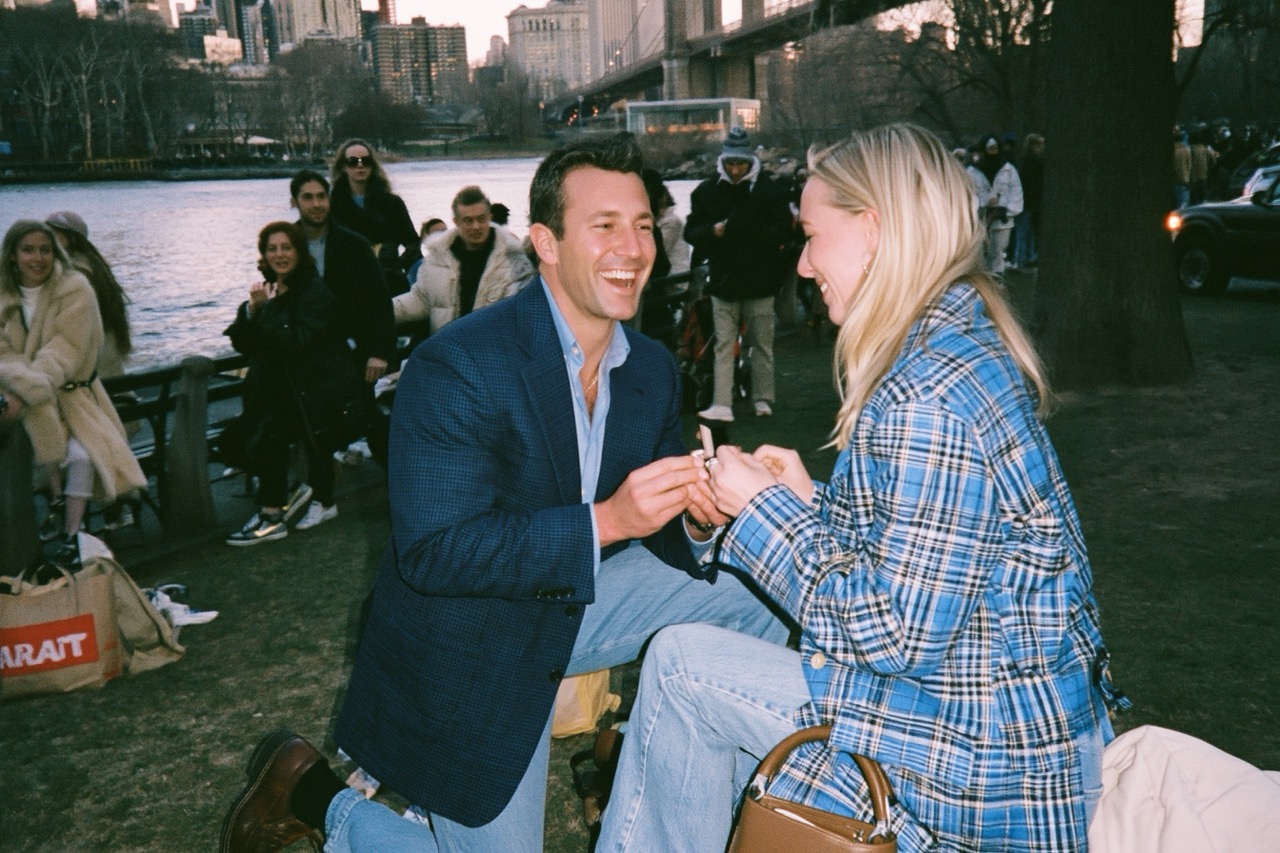
Most people book engagement pictures thinking about one thing: a nice photo for the save-the-date. That’s fair. But the session often becomes much more than that.
Many couples later realize that their engagement photos hold a different kind of significance than their wedding images. Without the formality and fast pace of the wedding day, the session often captures them at their most natural, preserving the connection and excitement they shared before life became busier with wedding planning and married life.
There’s a mindset shift hiding in that session, and that’s what makes engagement pictures so meaningful.
Why the Proposal Is Really a Milestone
Think about what a proposal actually represents. Years of showing up. Awkward first dates, a few near-misses, moving cities, learning to argue without blowing things up. By the time someone kneels down, a whole quiet history sits behind that moment.
Researchers who study what’s called “narrative identity” argue that people build a sense of self by turning their experiences into a story—the wins, the setbacks, the turning points. Research Gate has covered this idea at length, and it maps neatly onto an engagement. You’re not just marking a decision. You’re closing one chapter and naming the next one out loud.
That reframe matters for anyone chasing goals of any kind. Progress feels invisible while you’re inside it but a milestone forces you to stop and look back.
Engagement Pictures as a Record of Growth
Here’s where the camera earns its keep. A good session captures the two of you as you are right now—before the wedding stress, before the mortgage, before the kids. Ten years on, those frames won’t just show younger faces. They’ll show the version of you that decided to bet on each other.
Many couples describe flipping through their old engagement pictures the way a founder rereads early journal entries. Not for nostalgia exactly. More like checking the receipts on how much they’ve grown since. If you want ideas for capturing that feeling honestly, this guide to engagement pictures breaks down poses that read as natural rather than stiff.
The trick is treating the shoot as documentation, not performance.
Make the Session Mean Something
A few things that separate the photos you’ll frame from the ones you’ll forget:
- Pick a location with a backstory – the coffee shop where you met beats a generic park every time.
- Bring one object that carries weight – a ticket stub, a beat-up book, the dog.
- Plan for movement – walking, laughing, whispering. Static poses age badly.
- Leave room for the unplanned shot – the best frame is usually between the ones you asked for.
None of this requires a big budget, just a little intention, which is the same currency that moves your commitment forward.
The Discipline Nobody Talks About
Booking the shoot is easy. Following through is where people stall, and it looks a lot like every other goal that dies in the planning stage. You schedule it, then you talk yourself out of the outfit, the timing, and the awkwardness of standing in front of a lens.
Push past that anyway. The couples who commit tend to be the same ones who treat their relationship like something worth investing in deliberately. Showing up for a photo session is a small rep, but small reps compound. In many ways, it’s the same principle behind why small habits build strong families.
Strong relationships, according to the Gottman Institute, are built less on grand gestures than on repeated small moments of connection. An engagement shoot is simply an hour of those moments, on purpose
Strong relationships, according to the Gottman Institute, are built less on grand gestures than on repeated small moments of connection. An engagement shoot is basically an hour of those, on purpose.
Turning the Engagement Pictures Into a Story You Keep
Digital files disappear into cloud folders nobody opens. That’s the real risk. The engagement pictures that shape how you remember this season are the ones you can hold.
Printing them changes the relationship you have with the memory. A book on the shelf gets picked up. A framed shot on the wall becomes part of the room. If you’re deciding how to preserve the set, you can learn more about turning a gallery into something physical and lasting here.
Some couples build a simple timeline: first date, the proposal, the engagement pictures, the wedding and hang it where they’ll see it daily. It becomes a quiet reminder of momentum, which is exactly the kind of fuel that keeps big goals moving forward, especially now that you’ll share and build a life together.
Start With One Frame
You don’t need the whole plan figured out. Book the session, choose a spot that means something, and let the rest happen. Engagement pictures aren’t only about looking good on a wedding invite—they’re a checkpoint, a way of pausing long enough to see how much ground two people can cover when they decide to build something together.
Look back at them a decade from now. The poses will fade from memory, but the feeling won’t. That’s the part you’ll carry with you.

The Founder’s Guide to Beating Execution Paralysis

Felix Prehn Featured on Tom Bilyeu’s 4.6M-Subscriber YouTube Channel on Risks to Stock Portfolios

What to Do When a Loved One Dies: A Step-by-Step Guide for Families

The Number One Thing Keeping You Broke (And It’s Not Your Salary)

7 Legal Situations Every Small Business Owner Should Prepare For

5 Ways For Startups To Succeed Making Acquisitions

77 Inspirational Quotes That Will Change Your Life
57 Memorable Kobe Bryant Quotes

(Images) 52 Motivational Picture Quotes For An Epic Year Of Success

40 Rare Motivational and Inspirational Picture Quotes

3 Prince EA Videos To Change Humanities Path To Greatness

(Video) What Is Success? An Entrepreneurial Story To Inspire You

(Inspirational Video) What If Today You Knew You Were Going To Take Your Last Breath?

How To Make Enough Money From A Blog To Quit Your Job – Kate McKibbin

How Finding Your Passion And Becoming An Entrepreneur Can Lead To Happiness – Chiquita Searle
-

 Success Advice2 years ago
20 Creative Ways To Make Money From Home
-

 Success Advice2 years ago
7 Habits of Highly Effective Mediocre People
-

 Creativity2 years ago
176 Inspirational Pablo Picasso Quotes on Art, Creativity and Life
-

 Life2 years ago
10 Ways Your Life is Like a Video Game
-

 Life2 years ago
13 Meaningful Ways to Show Someone They Matter
-

 Life2 years ago
The 5 Stages of a Quarter-Life Crisis & What You Can Do
-

 Did You Know1 year ago
7 Surprising Life Lessons Video Games Taught Me That School Never Did
-

 Success Advice1 year ago
Stephen Covey’s 8 Leadership Habits That Will Change How You Lead Forever
24 Comments