
Success Advice
How To Find Your Unique Path to Wealth – Quickly!


Ever noticed how making money can be a bit like digging for treasure?
It takes hard work and commitment, and until you actually find the treasure there is always that nagging doubt – am I digging in the right place?
You know that feeling don’t you?
You start off shovelling dirt with so much enthusiasm, and then that little voice starts whispering – “what if it doesn’t work… That project over there may be easier. I might make more progress if I drop this and go try that over there.”
And then, almost like an angel on your other shoulder another voice starts saying, “remember, it’s supposed to be hard work. If you put in the time and effort, when you deserve it it will all come right. Don’t stop three feet from gold!“
Why Getting Wealthy Is Easier Than You Think
Don’t worry. I get it. I’ve been there myself – dancing from one training to the next. Learning the stock market, then property, then internet marketing – all the while sinking huge amounts of cash into each attempt to find my own treasure.
And it would have all been in vain had I not realised this one crucial point: We each have our own digging style… and it’s only when we learn to use the digging style that comes naturally to us that we actually manage to make some progress.
It turns out, when it comes to creating wealth, there are only 8 different strategies. Just 8? Yep – that’s right! Any method you can think of fall into one of these 8 categories. What is more each strategy takes a certain personality to pull it off, and really create outstanding results from that strategy. So this means there are 8 strategies, and 8 different personality types, or digging styles.
The really good news is that once you know which digging style you’re most closely matched to, you can quickly and easily make more money than you ever thought possible – just by applying the strategies of your specific digging style.
How To Find Your Personal Digging Style
What you really need to know is what your personal digging style is, before you start digging for treasure, so you can make the most progress, most quickly.
Let me outline the 8 digging styles and see which one you identify with the most. These are based on a wealth profiling system used by over 3000 entrepreneurs. It is also the same system I use to help my red carpet clients rock their revenue by picking the right strategy for them.
Ok, here are the 8 strategies and profiles.
Creator – These are the ideas people. They have way too many ideas to implement, and are really good at pulling together resources to make projects happen. Their time is spent thinking about what is possible, rather than what is happening in the here and now. Well known examples of Creators profiles are Richard Branson and Steve Jobs.
Star – Stars excel in front of an audience, especially when they have to deliver the same presentation or show again and again. They attract attention, just by being themselves, and to monetize this, they can redirect their attention onto their cause or company. A good example is Angelia Jolie who uses the attention she receives from acting to shine a light on humanitarian causes around the world.
Supporter – Supporter profiles are those people who just seem to know everyone. These are the folks who find out (and remember) everything about the people they meet, because they are genuinely interested in people. Their way to wealth is by connecting people, managing teams, and delivering value to the people they meet. Ever wondered how your business would explode if you got in front of the right people? Well these are the profiles who are most able to make those connections happen. A good example of a support profile is Meg Whitman, former CEO of Ebay.
Deal Maker – This profile is all about connecting people up with deals. Wining and dining clients and making deals happen all comes very naturally to this profile. They tend to have so much fun doing it that work seems like play. They are extremely adept at negotiating, and this comes from knowing everything about the influencing factors in the deal they are doing. A good example of a deal maker profile is Donald Trump.
Trader – In contrast to the Creator profile, Traders are focussed on what is happening in the moment. They aren’t too concerned with the big picture and are really good at just getting stuff done once they have a track to run on. They make excellent market traders for this reason, and their strategy lies in being able to make money from a margin. A great example of a Trader profile is George Soros.
Accumulator – This profile is great at buying up appreciating assets. In order to do this they have a natural tendency to horde things, but also a natural aptitude for research. I’m often reminded of an interview with Warren Buffet when asked about how he goes about researching the companies on the stock market as there are so many companies, A-Z. He stated that he would simply “start at A”.
Lord – Lords are great at squeezing cash out of systems that already exist, and making systems more efficient. They grasp systems easily and tend to specialise in very narrow areas of expertise, because they are so suited to detail. They make their money by adding value to businesses by being able to easily see where they can cut costs, measure what is useful and optimise. A good example of a Lord profile would be business guru Michael Gerber.
Mechanic – The mechanics of this world tend to be tinkerers. They are brilliant at seeing how things work and are incredible at being able to optimise systems. They work best when there is a system already in place and they just need to make inventive tweaks to improve it. They make their money by taking something that already exists and making it better. A great example of a mechanic profile is Sam Walton, of Walmart.
“Find your natural digging style, and you find your treasure.” ReTweet This
So, Which One Sounds MOST Like You?
It doesn’t have to be just one –you’re likely a mix of several. However, knowing which one you are MOST like allows you the freedom to focus your efforts on just that strategy – thus putting you well ahead of the curve.
Once you have an idea of which style suits your personality the best, you can start doing more of those things that come easily and less of the things that are tricky.
It’s kind of like finding out that your digging tool is a shovel, and all this time you thought your tool was a stick of dynamite. If this were the case it could be that you’ve been laying your tool (the shovel) up against the rock face, setting up the detonation, and then waiting for it to explode… and nothing happens. Of course nothing would happen – you’re using a shove as a stick of dynamite!
In the same way, you might have a stick of dynamite in your hand, and be trying to dig into the earth to find your treasure. How far are you going to get, shovelling with a round cylinder of explosive? Probably not very far… in fact you’d have more chance of digging that hole with a tooth pick!
So you see, once you know what your natural tool is, you can start using it effectively.
It All Comes Down To Using Your Strength
An example of how you would use your natural style would be if you were a Support profile, and therefore excellent at connecting with people. You can network your way into any situation and find anyone at all within a few emails and handshakes. Why then would you sit behind your computer and try connecting with people only over email? Your talent is to be out amongst people.
Similarly, if you’re a natural at optimizing systems, like a Mechanic profile would be, why put yourself through the torment of networking to find new business? Why not focus your efforts on email marketing, or internet marketing instead?
You need to focus on what comes naturally and easily to you, given your natural style and then use the strategy that it corresponds with. Spending more and more of your time doing what comes naturally automatically frees you up to gather more momentum, and therefore results (and cash!) in your business, quicker than anything else.
Know your strength, then stick to it.
Over to You…What’s Your Natural Style?
Leave a comment below and let me know what you think your profile/ digging style might be.
Then tell me what things you’re going to do more of to align your day to day strategies with your natural talent to make your treasure digging efforts more effective.
“Laura Leigh Clarke is a reseller for Wealth Dynamics.” – as this is where the profiles come from originally. I have have full permission to use them, as I talked about them in my book – but just worth flagging that up in case people don’t realise.










Success Advice
Atomic Habits Summary: The 4 Laws, the 1% Rule and What I’d Actually Use
This Atomic Habits summary breaks down the four laws, the 1% and two-minute rules, identity-based habits and the six takeaways worth using first.


Here’s the Atomic Habits summary in one sentence: small habits, repeated consistently, compound into big results, so build better systems instead of relying on motivation or goals. James Clear’s method uses four laws to build a good habit: make it obvious, attractive, easy and satisfying. To break a bad habit, reverse them and make it invisible, unattractive, difficult and unsatisfying.
This is my own summary of the book’s main ideas, the rules people most often ask about and the parts I’d put to work first. It’s not a replacement for reading the book itself.
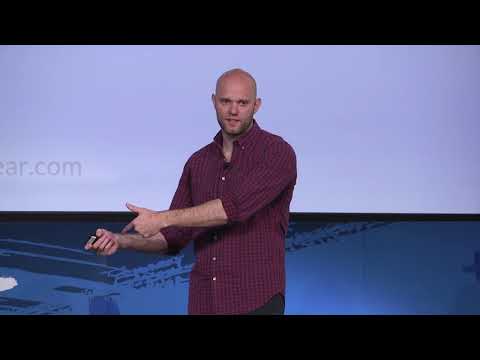
In the eight-minute talk above, James Clear explains the 1% idea in his own words. If you’ve only got a few minutes, start there.
What I like about Atomic Habits is that it takes the blame off your character and puts it on your setup. Most people decide they’re lazy or undisciplined when a habit fails. Clear’s argument is that you’re usually running a bad system. That’s a far more useful diagnosis, because you can’t redesign your personality by Monday, but you can move your running shoes next to the door tonight.
What Is Atomic Habits About?
Atomic Habits: An Easy and Proven Way to Build Good Habits and Break Bad Ones was published by Avery, an imprint of Penguin Random House, in 2018. Clear doesn’t present himself as a lab scientist. His strength is turning research from psychology and behavior science, along with examples from sport, business and everyday life, into a practical operating system for change.
The title is the thesis. An atomic habit is a tiny routine that’s easy to do, and also a unit of something larger, like an atom in a molecule. One habit barely moves the needle. Hundreds of repetitions across several habits can change your health, work and identity.
The book makes five big moves:
- Small improvements compound. Tiny daily changes add up over time.
- Systems beat goals. The process you repeat decides the result.
- Identity drives behavior. Lasting change comes from becoming a certain kind of person.
- Every habit follows a loop. Cue, craving, response, reward.
- Four laws shape behavior. Change the cue, craving, response or reward to make a habit easier or harder.
The 1% Rule in Atomic Habits
The book’s best-known idea is that getting 1% better each day makes a huge difference over time. Clear’s own summary of the book puts the math simply: improve 1% every day for a year and you end up about 37 times better. Get 1% worse daily and you decline almost to zero.
Don’t take that as a literal promise that you’ll be 37 times fitter or richer by next November. Life isn’t a perfectly smooth exponential curve. The useful point is direction. Your current habits are either compounding toward the life you want or away from it.
Clear calls the frustrating early stage the “Plateau of Latent Potential.” You’re putting in work and not seeing much yet. That’s when most people quit, right before the results become visible.
Systems vs. Goals
Clear’s argument is that winners and losers often share the same goals. Every team wants the trophy. Every founder wants growth. What separates them is the daily system that produces the outcome.
His line is worth remembering: “You do not rise to the level of your goals. You fall to the level of your systems.” – James Clear
Goals still matter. They give you direction. But a goal is a moment in time. A system is what you do every day, which is why it’s where change actually happens. Instead of “write a book,” commit to “write 300 words before breakfast.” Instead of “get fit,” commit to “train Monday, Wednesday and Friday at 6pm.”
Identity-Based Habits
The most important chapter, for me, is the one about identity. Clear argues that behavior change has three layers: outcomes, processes and identity. Most people start with the outcome they want. He suggests starting with who you want to become.
“Every action is a vote for the type of person you wish to become.” – James Clear
That shifts the question. Instead of “How do I lose 10 pounds?” ask “What would a healthy person do here?” Instead of “How do I finish this project?” ask “What does a person who ships do today?” One workout is one vote. One honest sales call is one vote. You don’t need a unanimous vote, just a growing majority.
If you want to work on the mindset side of this, these habits for a growth mindset pair well with Clear’s identity idea, because both assume you can change through practice.
The Habit Loop: Cue, Craving, Response, Reward
Clear breaks every habit into four steps:
- Cue: the trigger that tells your brain a reward is available. Your phone lights up.
- Craving: the desire for the change in state that reward will bring. You want to know who messaged.
- Response: the habit you actually perform. You unlock the phone.
- Reward: the payoff that satisfies the craving. You see the message, and the loop gets stronger.
The four laws come straight from that loop.
The Four Laws of Atomic Habits
| Habit loop step | Build a good habit | Break a bad habit | Example tactic |
|---|---|---|---|
| Cue | Make it obvious | Make it invisible | Leave the book on your pillow; keep the phone in another room |
| Craving | Make it attractive | Make it unattractive | Pair a podcast you love with your walk |
| Response | Make it easy | Make it difficult | Use the two-minute rule; log out of the distracting app |
| Reward | Make it satisfying | Make it unsatisfying | Track the habit; add an accountability partner |
1st Law: Make It Obvious
Design your environment so the cue for a good habit is hard to miss. Clear recommends implementation intentions (“I will [behavior] at [time] in [location]”) and habit stacking (“After I [current habit], I will [new habit]”). For example: “After I pour my morning coffee, I’ll write tomorrow’s top three priorities.”
2nd Law: Make It Attractive
We act on what we look forward to. Clear suggests temptation bundling, pairing an action you need to do with one you want to do. He also points out that we copy the habits of the people around us, so joining a group where your desired behavior is normal is one of the strongest moves you can make.
3rd Law: Make It Easy
Reduce friction for good habits and add it to bad ones. Lay out tomorrow’s workout clothes. Prep healthy food on Sunday. Delete the game from your phone. Clear’s focus here is repetitions, not perfection. The more often you do something, the more automatic it becomes.
4th Law: Make It Satisfying
We repeat behaviors that feel good right away. Because many good habits pay off later, Clear recommends adding an immediate reward, using a habit tracker and following a simple rule: never miss twice. Missing once is an accident. Missing twice is the start of a new habit.
What Is the 2-Minute Rule in Atomic Habits?
The two-minute rule says a new habit should take less than two minutes to start. “Read before bed” becomes “read one page.” “Run three miles” becomes “put on my running shoes.”
This sounds too small to matter, and that’s the trick. You’re not trying to complete the full habit on day one. You’re trying to master the art of showing up. Once the habit exists, you can expand it.
How Long Does It Take to Form a Habit?
Clear argues that frequency matters more than time. That’s backed by research: in a 2009 University College London study led by Phillippa Lally, it took participants a median of 66 days to reach peak automaticity, with a range from 18 to 254 days. The study also found that missing one opportunity didn’t materially affect the process. So forget the 21-day myth and focus on repetitions.
Breaking Bad Habits
To break a bad habit, use the inversion of the four laws. Make the cue invisible, the behavior unattractive, the action difficult and the result unsatisfying. That’s why removing the snacks from your desk usually works better than relying on willpower when you’re tired at 3pm.
Some habits you need to quit aren’t actions at all. They’re patterns of thinking, like making excuses or spending time with people who drain you. The inversion still works: make the trigger harder to reach and give yourself a better default.
My Main Takeaways From Atomic Habits
- Fix the system before blaming yourself. If a habit fails, redesign the cue, friction or reward.
- Start embarrassingly small. The two-minute rule beats a heroic plan you abandon by Thursday.
- Decide who you’re becoming. Use daily actions as proof, not your mood.
- Make your environment do the work. Visible good cues, hidden bad ones.
- Never miss twice. One bad day is normal. Two is a pattern.
- Track only what matters. A simple calendar with X marks can keep a streak alive.
My one criticism is that the examples can make change look neat. Real life includes illness, kids, deadlines and bad weeks. That’s why I’d use the book as a set of tools rather than a promise. Pick one habit, apply one law and give it enough repetitions to prove itself.
Frequently Asked Questions
What are the main points of Atomic Habits?
Small habits compound over time, systems matter more than goals, and lasting change comes from your identity. Every habit follows a cue, craving, response and reward loop, which you can shape using four laws.
What are the four laws of Atomic Habits?
To build a good habit, make it obvious, attractive, easy and satisfying. To break a bad habit, reverse them by making it invisible, unattractive, difficult and unsatisfying.
What is the 2 minute rule for Atomic Habits?
Start any new habit with a version that takes less than two minutes, like reading one page or putting on your running shoes. The goal is to make showing up easy, then build from there.
What is the 1% rule in Atomic Habits?
It’s the idea that improving 1% each day compounds over time. James Clear’s math shows 1% daily improvement for a year makes you about 37 times better, while 1% decline brings you close to zero.
Is Atomic Habits worth reading?
Yes, if you want practical tools rather than motivation. The book is easy to apply, and its four laws give you a clear way to diagnose why a habit is or isn’t sticking.
Success Advice
The Power of Two Wheels: How Cycling Builds Discipline, Confidence, and a Success Mindset


Success is rarely built overnight. Whether you’re working toward a career milestone, improving your health, or developing better habits, meaningful progress comes from consistency, determination, and the willingness to push beyond your comfort zone.
Interestingly, one of the most effective ways to develop these qualities doesn’t require a motivational seminar or an expensive productivity course. Sometimes, all it takes is a bicycle, an open road, and the determination to keep moving forward.
Cycling is more than a recreational activity or a convenient way to travel. It can become a powerful tool for personal development, teaching valuable lessons about discipline, resilience, confidence, and long-term success.
Here’s how life on two wheels can help shape a stronger, more successful mindset.
Discipline Begins With Showing Up
One of the biggest challenges in achieving success is staying consistent when motivation disappears.
The same principle applies to cycling.
Some mornings, getting out of bed for a ride feels effortless. Other days, the weather isn’t ideal, your energy is low, or you’d rather stay comfortable at home.
Yet every time you choose to ride, you’re practicing discipline.
You learn that progress doesn’t always depend on feeling motivated. Instead, it comes from showing up, putting in the effort, and following through on your commitments.
This mindset translates naturally into professional and personal life.
Whether you’re building a business, developing a new skill, or working toward a fitness goal, consistency often matters more than occasional bursts of enthusiasm.
Success lesson: Discipline isn’t about being perfect every day. It’s about making progress even when circumstances aren’t ideal.
Every Hill Teaches Resilience
Every cyclist eventually encounters a challenging hill.
At first, the climb might seem intimidating. Your legs begin to tire, your breathing becomes heavier, and reaching the top feels increasingly difficult.
But something important happens when you continue pedaling.
You discover that challenges become manageable when you approach them one step, or one pedal stroke, at a time.
Life works in much the same way.
Career setbacks, financial difficulties, personal disappointments, and unexpected obstacles can feel overwhelming when viewed as one enormous problem.
Cycling teaches you to break challenges into smaller, achievable milestones.
Instead of focusing entirely on the summit, you concentrate on the next few meters.
Over time, those small efforts add up.
Success lesson: Resilience isn’t the absence of difficulty. It’s the ability to continue making progress despite it.
Confidence Grows Outside Your Comfort Zone
Confidence doesn’t necessarily come from telling yourself that you’re capable of achieving something.
Often, it comes from proving it through action.
Think about someone who has never cycled more than a few kilometers.
Completing their first longer ride might feel like a major accomplishment. Eventually, the same person may feel comfortable exploring unfamiliar routes, tackling challenging terrain, or participating in cycling events.
Each achievement becomes evidence of personal growth.
This is one reason cycling can be such a rewarding activity for people seeking greater confidence.
It provides measurable accomplishments that reinforce a simple but powerful belief: improvement is possible through practice.
For beginners, choosing a suitable bicycle can make the experience more approachable. Cycling retailers such as BikesOnline offer a range of mountain bikes, road bikes, and other cycling options for different riding interests and experience levels.
The important thing isn’t starting with the most advanced equipment. It’s finding a comfortable starting point and gradually building your abilities.
Success lesson: Confidence grows when you repeatedly demonstrate to yourself that you’re capable of learning, adapting, and improving.
Cycling Encourages Clearer Thinking
Modern life is filled with constant distractions.
Emails, notifications, meetings, deadlines, and digital responsibilities compete for our attention throughout the day.
Finding uninterrupted time to think can be surprisingly difficult.
Cycling creates an opportunity to disconnect from some of that noise.
During a ride, your attention shifts toward your surroundings, breathing, movement, and the road or trail ahead.
For many people, this provides a welcome mental reset.
Regular physical activity can also support mental well-being, helping people manage stress and improve their overall mood.
While cycling isn’t a substitute for professional mental health care when needed, it can be a valuable part of a balanced lifestyle.
A short ride after work or a longer weekend adventure may provide the mental space needed to return to everyday responsibilities feeling more refreshed.
Success lesson: Productivity isn’t always about doing more. Sometimes, giving your mind room to recover helps you perform better.
Small Improvements Create Remarkable Results
One of the most valuable lessons cycling teaches is the power of gradual improvement.
A beginner might initially struggle to complete a five-kilometer ride.
After several weeks of consistent practice, that distance may become easier. Eventually, ten or twenty kilometers might feel achievable.
The improvement doesn’t happen instantly.
It develops through repeated effort, recovery, and patience.
This is similar to the process of building successful habits.
Reading a few pages each day, learning a new professional skill, or saving a small amount of money regularly might not produce dramatic immediate results.
But sustained over months and years, these actions can create meaningful change.
Cycling provides a physical reminder that progress compounds.
Success lesson: You don’t need extraordinary results every day. You need sustainable habits that move you toward your goals.
Investing in Yourself Doesn’t Have to Be Complicated
Personal development often gets associated with expensive courses, complicated routines, or major lifestyle changes.
But sometimes, investing in yourself begins with something simple: making time for regular physical activity.
Cycling can be adapted to different budgets, fitness levels, and lifestyles.
Some people prefer road cycling for longer distances, while others enjoy mountain biking, casual neighborhood rides, or commuting.
For those considering their first bicycle or upgrading an existing one, seasonal shopping events can make it easier to explore different options.
For example, browsing Black Friday bike deals, Black Friday mountain bike sales, or Black Friday road bike deals can help riders compare bicycles suited to their goals and budgets.
Retailers such as BikesOnline and Reid Cycles provide options across different cycling categories, giving shoppers opportunities to evaluate features, comfort, and value before purchasing.
During seasonal promotions, searches for Black Friday sale bikes, Black Friday bicycle deals, and Black Friday cycling offers can also help prospective riders identify potential savings.
However, choosing a bicycle should never be based on a discount alone.
Fit, intended use, safety, and long-term suitability matter far more than buying something simply because it’s on sale.
A bicycle that encourages you to ride regularly can offer lasting value through the experiences and healthy habits it supports.
Success lesson: The best investments in personal growth are often the ones you can continue benefiting from long after the initial purchase.
Cycling Teaches You to Enjoy the Journey
In a world that celebrates achievements, promotions, financial milestones, and visible success, it’s easy to become overly focused on the destination.
Cycling offers a different perspective.
Of course, reaching the finish line matters. But so do the experiences along the way.
The early morning air, unfamiliar roads, scenic landscapes, conversations with fellow riders, and satisfaction of completing a challenging route can all become meaningful parts of the journey.
This perspective applies directly to personal and professional development.
Ambition is important, but constantly chasing the next milestone without appreciating your progress can make even significant achievements feel temporary.
Cycling encourages you to recognize the value of the process itself.
You begin to understand that growth isn’t measured exclusively by how quickly you reach your destination.
It’s also reflected in the person you become along the way.
Success lesson: Pursue ambitious goals, but don’t forget to appreciate the experiences and progress that make the journey worthwhile.
A Success Mindset Is Built Through Action
Many people wait until they feel ready before beginning something new.
They wait for more confidence, better circumstances, additional knowledge, or the perfect opportunity.
Cycling demonstrates why taking action is often more important than waiting for ideal conditions.
You don’t need to become an experienced cyclist before your first ride.
You become experienced by riding.
Likewise, you don’t develop discipline before practicing consistency. You build discipline through repeated action.
You don’t become resilient by avoiding challenges. You develop resilience by working through them.
And you don’t gain confidence solely by imagining success. You gain it by taking meaningful steps toward your goals.
The bicycle becomes a reminder that personal transformation is an active process.
Every ride represents another opportunity to practice patience, determination, and self-belief.
Final Thoughts: Keep Moving Forward
Cycling may appear to be a simple physical activity, but the lessons it offers extend far beyond fitness.
It teaches discipline when motivation fades, resilience when the road becomes difficult, and confidence when challenges initially seem impossible.
It reminds us that meaningful progress requires patience, consistent effort, and a willingness to embrace discomfort.
Most importantly, cycling demonstrates that success isn’t always about moving faster than everyone else.
Sometimes, it’s about continuing to move forward at your own pace.
Whether you’re beginning your first cycling adventure, returning to the sport after a long break, or challenging yourself to reach a new milestone, remember that every journey begins with a single decision.
Get on your bicycle, start pedaling, and discover what you’re capable of achieving.
Because the strongest mindset isn’t built by standing still.
It’s built by moving forward, one pedal stroke at a time.
Success Advice
How to Develop Leadership Skills: 9 Practical Ways to Become a Leader People Follow
Learn how to develop leadership skills with nine practical habits, the 70-20-10 rule, the mistakes that stall growth and a simple 30-day plan you can start this week.

How to develop leadership skills: take on responsibility before you have the title, ask for blunt feedback on how you show up, and learn from the people who do it well. Most leadership growth comes from doing hard things in front of other people and reflecting on them, not from courses. Pick one skill, practice it in a real situation every week, and ask the people you lead whether it’s working.
Leadership isn’t a personality type you either got or missed. It’s a set of habits you can build, the same way you’d build a deadlift.

Simon Sinek’s short clip above makes the point plainly: nobody is born knowing how to lead. It’s a skill, and like any skill it has to be practiced.
I’ve interviewed and published a lot of leaders over the years, and the pattern is boringly consistent. The great ones weren’t the loudest people in their first job. They were the ones who kept raising their hand for the messy project, kept asking how they could do better and kept their word. Then they did it for ten years.
Why Leadership Skills Matter More Than Ever
Gallup’s research found that managers account for at least 70% of the variance in team engagement. Read that again. The person in charge explains most of the difference between a team that shows up and a team that checks out. If you lead anyone, even one contractor or a volunteer crew, your skills are shaping their week.
When Google studied its own managers in Project Oxygen, the top behavior of its best managers was simply being a good coach. Not being the smartest engineer. Coaching. That should tell you where to put your effort.
The 70-20-10 Rule: Where Leadership Is Actually Learned
The Center for Creative Leadership’s research with senior executives led to a rough rule of thumb known as 70-20-10: about 70% of leadership learning comes from challenging experiences, 20% from other people such as bosses and mentors, and 10% from formal training. The numbers are a guide, not a lab measurement, but the lesson holds. If all you do is read, you’re working on the smallest slice.
The nine ways below follow that order. Most of them are about doing.
1. Lead Before You Have the Title
Don’t wait for a promotion to start practicing. Volunteer to run the project nobody wants. Take the new hire to lunch and show them how things really work. Chair the meeting that always runs over. Stretch assignments are where the 70% lives, and they’re usually sitting there unclaimed.
2. Ask for Feedback That Stings a Little
“Any feedback?” gets you “All good.” Ask something sharper: “What’s one thing I do that makes your job harder?” Ask three people you work with and write down exactly what they say. Then thank them and change one thing. If you’re brave, go back in a month and ask whether they noticed.
3. Find a Mentor and Study Leaders on Purpose
That’s your 20%. Pick someone two or three steps ahead of you and ask for 30 minutes a month with one specific question each time. Watch how good leaders run meetings, deliver bad news and say no. Then fill in the 10% with deliberate reading. Here are 5 books you need to read if you want to become a better leader. Read one, then test one idea from it at work that week.
4. Get Comfortable Making Decisions Without All the Facts
Leaders rarely get perfect information. They get enough. Practice deciding faster on small things and explain your reasoning out loud. Keep a short decision journal: what you decided, why, and what you expected to happen. Review it every month. You’ll quickly see whether you’re too slow, too fast or ignoring the same blind spot.
5. Communicate Like Clarity Is Your Job
Because it is. Most team frustration traces back to fuzzy goals and unspoken expectations. Before any big task, say three things: what done looks like, when it’s due and who owns it. Run short weekly one-on-ones with the people you lead and spend most of that time listening. People will put up with a lot from a leader who’s clear and listens.
6. Lead Yourself First
Nobody follows someone who’s always in chaos. Your sleep, your temper, your calendar and your follow-through are leadership skills, because people are watching all of them. If you snap under pressure, your team learns to hide problems from you. If you keep your word on small things, they trust you on big ones.
7. Develop Other People, Not Just Tasks
The jump from doer to leader happens when you hand over outcomes, not just jobs. Instead of “send this email,” try “you own client onboarding this quarter, here’s what success looks like.” It’ll feel slower at first. It’s also the only way you stop being the bottleneck and start building people who can lead too.
8. Own Your Mistakes Out Loud
When something goes wrong on your watch, say “That’s on me” before anyone asks. Then say what you’re changing. It costs you a little pride and buys you a lot of trust. The signs of a truly humble leader aren’t soft. Humility is what makes people tell you the truth early, while problems are still cheap to fix.
9. Practice in Low-Stakes Arenas
You don’t need a team of 50 to get reps. Coach a junior sports team. Run a charity event. Join Toastmasters to get comfortable speaking in front of a room. Organize a side project with friends. Every one of these makes you motivate people who don’t have to listen to you, which is the purest leadership test there is.
Mistakes That Stall Your Leadership Growth
I see the same few traps over and over, and they catch smart, hardworking people.
- Collecting courses instead of reps. Certificates feel like progress. A hard conversation you handled well is progress.
- Staying the best doer on the team. If you keep grabbing the work back because it’s faster, you never learn to lead and your people never learn to own anything.
- Waiting to feel ready. Nobody feels ready the first time they give tough feedback or run a room. Confidence shows up after the reps, not before.
- Only asking up, never down. Your boss sees your results. The people you lead see your habits. Ask both for feedback.
If one of those stung, good. That’s the one to work on first.
A 30-Day Plan to Build Leadership Skills
| Week | Focus | One action |
|---|---|---|
| 1 | Feedback | Ask three people the “one thing” question and write down the answers |
| 2 | Stretch | Volunteer for one project or meeting you’d normally avoid |
| 3 | Clarity | Start weekly one-on-ones and define “done” for every task you hand off |
| 4 | Reflection | Review your decision journal and pick one habit to keep working on |
Then do it again. Leadership compounds the same way money does. Small, boring reps, done every week, add up to a person others want to follow.
Frequently Asked Questions
What are the 7 C’s of leadership?
There’s no single official list, and different authors use different words. A common version is clarity, communication, character, competence, courage, commitment and compassion. Treat any list like that as a checklist for self-review rather than a formula.
What is the 70-20-10 rule for leadership?
It’s a guideline from Center for Creative Leadership research: roughly 70% of leadership learning comes from challenging experiences, 20% from other people such as mentors and bosses, and 10% from formal training and courses.
What are 5 qualities of a good leader?
Good leaders tend to be clear, honest, consistent, willing to listen and focused on developing other people. Most of those show up in small daily behaviors long before they show up in big decisions.
Can leadership skills be learned?
Yes. Research on how executives develop points to experience, feedback and mentoring as the main drivers. Some people start with more confidence, but the core skills of communicating, deciding and coaching all improve with practice.
How long does it take to develop leadership skills?
You can see changes in a few weeks if you practice one skill on purpose. Becoming a strong, trusted leader usually takes years of stretch assignments, feedback and reflection.


Most career advice tells you to do more — learn another skill, grow your network, collect another credential to trail after your name like ants after a picnic basket. The opposite is closer to the truth. Your biggest obstacle isn’t a gap in your ability. It’s a deficit in how you regard yourself. Talent is common. The courage to trust it and act on it is rare. The good news is that courage can be built. Here are seven things I want you to start doing.
1. Build Your Own Scoreboard
If your sense of a good day depends on applause, likes, or your boss’s mood, you’ve handed strangers the keys to your self-worth. Stop it. Write down two or three metrics that actually matter to you — a hard conversation handled well, a client problem solved, work delivered at the quality you intended. Judge your days against that list and nothing else. Your metrics can change with the situation. What can’t change is that they belong to you.
2. Accept Only Solicited Feedback
I know the gurus tell you to be “open to all feedback.” That’s how you end up defenseless against every drive-by opinion on earth. My rule is simple: take feedback only when you asked for it, and only from people whose judgment you trust. The unsolicited comment online, the backseat critique from someone with no stake in your work — that isn’t data, it’s noise. You are allowed to let it pass without absorbing a single word.
3. Run Your Morning-and-Evening Reflection
Here’s a two-minute habit I use. Each morning, ask: What would I like to accomplish today, personally or professionally, that makes a difference for me or for others? Each evening, ask: What did I actually accomplish that made a difference? They don’t have to match, and they don’t have to be grand — cleaning out part of the garage counts as much as closing a deal. Do this consistently and you’ll train yourself to notice your own progress instead of dismissing it.
4. Keep a Private Journal
Pair that reflection with a short daily journal entry written for no one but you. Forget grammar, forget polish, forget whether anyone would be impressed — no one else is reading it. A fragment will do: “gala exceeded expectations,” or “handled the bad news badly, let it sour dinner.” Over time that journal gives you perspective on your ups and downs, and it reminds you of the exact techniques you used to get through hard stretches before. You’ll want them again.
5. Own the Problem Before You Blame the Circumstances
I call accountability the first courage creator, and I’ll be blunt about why. The modern reflex is to decide our problems are someone else’s fault and someone else’s job to fix. It feels wonderful and it keeps you stuck. Courage means treating your challenges, setbacks, and opportunities as yours to act on — playing the hand you’re dealt without whining that the game is unfair, even when it is. Harry Truman kept a sign on his desk: “The buck stops here.” Put one on yours.
6. Stop Asking for Permission You Don’t Need
I watch capable people wait for consensus, sign-off, and approval on decisions that were theirs to make all along. Before your next “let me just check with everyone,” ask whether you genuinely need anyone’s permission or whether you’re handing off a call you’re fully equipped to make. Reclaiming those decisions — without steamrolling anyone — is how you rebuild your own sense of agency.
7. Separate Your Worth From Your Performance
This is the one I most want you to hear. We treat compliments and criticism as verdicts on our value, when they’re nothing more than feedback on a particular piece of work. Confuse the two and every mistake becomes proof you’re a fraud, while every success feels like luck you’ll soon be exposed for. So let me be clear: your worth is inherent to your dignity as a human being. You don’t earn it through flawless performance, and you can’t lose it on a bad day. Catch yourself when a single setback starts telling a story about who you are instead of what you did.
The Through-Line
Everything here is one shift: from external authority to internal. As long as your confidence depends on the crowd, it will always be situational: strong in friendly rooms, gone in hostile ones. These practices make your esteem durable — something you bring in, not something you hope to find in other people’s reactions.
As Churchill reminded us, success is never final, and failure is seldom fatal — it’s courage that counts. The talent you almost certainly already have. The courage is a daily practice — so start it today.
Alan Weiss is a global award-winning consultant, coach, speaker, and author of 57 books, and 16 additional editions in 15 languages. He’s the only non-journalist in history to have received the Lifetime Achievement Award from the American Press Institute. He’s a Fellow of the Institute of Management Consultants and an inductee in the National Speakers Association Hall of Fame®. His newest book is The Courage of Your Talent (Taylor and Francis, 2026).

Atomic Habits Summary: The 4 Laws, the 1% Rule and What I’d Actually Use

What to Look for in an Electric Hunting Bike Before Opening Day

How Much of Your Monthly Income Should Go to Mortgage? The 28/36 Rule, DTI Limits and the Real Math

The Power of Two Wheels: How Cycling Builds Discipline, Confidence, and a Success Mindset

How to Develop Leadership Skills: 9 Practical Ways to Become a Leader People Follow
5 Ways For Startups To Succeed Making Acquisitions

77 Inspirational Quotes That Will Change Your Life

57 Memorable Kobe Bryant Quotes

Motivational Picture Quotes: 52 Images to Inspire a Successful Year

40 Rare Motivational and Inspirational Picture Quotes
3 Prince EA Videos To Change Humanities Path To Greatness
(Video) What Is Success? An Entrepreneurial Story To Inspire You
(Inspirational Video) What If Today You Knew You Were Going To Take Your Last Breath?
How To Make Enough Money From A Blog To Quit Your Job – Kate McKibbin
How Finding Your Passion And Becoming An Entrepreneur Can Lead To Happiness – Chiquita Searle
-

 Did You Know1 year ago
7 Surprising Life Lessons Video Games Taught Me That School Never Did
-

 Life2 years ago
The 5 Stages of a Quarter-Life Crisis & What You Can Do
-

 Success Advice1 year ago
Stephen Covey’s 8 Leadership Habits That Will Change How You Lead Forever
-

 Life1 year ago
How to Stop the War in Your Head and Find Peace
-

 Featured2 years ago
The Psychology of Motivation: How to Keep Moving Forward Every Day
-

 Personal Development2 years ago
The Three-Second Pause That Changes How People Perceive You
-

 Explode Your Social Media1 year ago
Want More Views? Master These 6 YouTube Growth Tactics
-

 Change Your Mindset1 year ago
You Become What You Absorb: How Input Shapes Your Life
51 Comments