
Startups
4 Important Values You Will Need When You Coach Millennials

When you become a manager or supervisor, one of your most important roles would be to become a coach.
Instead of just administrative or managerial tasks; you are now in charge of motivating and inspiring another employee. Coaching a millennial seems easy enough, until you realize that they are impulsive, impatient, and unruly.
Still, they are your company’s greatest assets. A millennial’s drive to succeed and win against all odds is exactly what your business needs in this overly competitive world.
But how can you steer them in the right direction?
Let these four core values be your guide.
1. True listening
They say true listening consists of 90 percent body language and 10 percent words. It requires the listener to observe what the other person is ‘not saying’.
That means paying attention to small details such as shoulder shrugs, head tilts, downcast eyes, and neck rubs.
Remember: millennials are proud. They want to appear strong and independent. So they won’t be so quick in admitting that they have a problem (especially when it comes to work).
For example, an employee apologizes for low performance for the previous month. Don’t just focus on words; listen to his body language. Does he look sad? Is his voice worried?
Maybe he’s having personal problems that he’s not telling. Paying attention to non-verbal cues is a priceless skill to have when dealing with any employee.
“If you make listening and observation your occupation, you will gain much more than you can by talk.” – Robert Baden-Powell
2. Empathy
Don’t confuse sympathy with empathy. The latter is broader and more difficult to put into action. However, it is a necessary skill if you want to successfully relate to others.
For example, one of your employees may have trouble dealing with tasks because she is going through a divorce.
Don’t just offer a simple ‘I’m sorry to hear that…’ or ‘It’s going to be alright…’. If you want to be an empathetic coach, you need to put yourself in that person’s shoes to help her overcome her problem.
It’s more than just offering kind words. Sometimes, you need to wait a while before that person would open up to you, but take the initiative.
As coach, it is your responsibility to help employees deal positively with their fears and/or troubles. Listen, then come up with solutions together by seeing the situation through your millennial’s eyes.
3. Trust
Millennials want to feel that they are a part of something huge. However, you’re not yet sure whether you want to hand them that big project just yet.
Instead of throwing them into open waters, let them gradually swim into shallower parts first; with trust.
For example; if you don’t want them to spearhead a client’s website campaign, at least allow them to pitch in ideas.
Don’t constantly breathe down their necks, either. Relax, set a deadline, ask for progress, then provide feedback and/or rewards when results are met.
When you show that you trust them, millennials are more confident to bring out their best.
“The glue that holds all relationships together- including the relationship between the leader and the led is trust, and trust is based on integrity.” – Brian Tracy
4. Flexibility
One thing that turns off millennials is lack of freedom. They often hop from one job to another because they are looking for a great career that lets them live out their lives at the same time.
So don’t make them feel tied to their desks between 9 to 5. Instead, follow up that trust by being flexible.
How? Offer them choices.
If you have an active employee for example, direct that energy into a community-based project OR let her try a new skill.
Serve various activities.
Play up the routine by dishing out new duties from time to time. If your millennial wants to attend another function, compromise so she has time to finish all her tasks, without missing that important event.
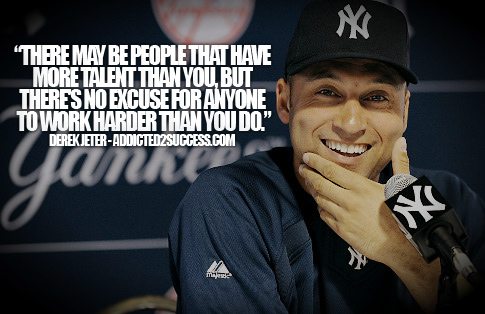
But I cannot imagine a campaign without them. It’s their limitless energy, curiosity, and thirst for knowledge that keeps my company active.
So to keep all of us happy, I employ those four core values and insert a bit of fun every now and then.
At the end of the day, coaching a bunch of impatient millennials is not only rewarding, it’s an achievement in itself.
Have these values helped you? What values would you add to this list?












Most remote founders will drop thousands on a laptop, a big monitor, a premium chair and maybe a standing desk converter. That’s the easy part. Then the whole lot ends up crammed into a spare bedroom with bare walls and a wobbly table, and by 2pm they can’t work out why their brain has packed it in.
Here’s the thing: if a founder is running a company from that room, it’s their headquarters. Compare the thought that goes into designing a proper company office with the care that goes into the room where the CEO makes every hiring call, every investor pitch, every product decision and every fire drill. These are the mistakes that keep showing up, and how to fix them before another quarter disappears into the fog.
Don’t Ignore How the Room Sounds
A remote CEO will agonise over the webcam, the ring light, the desk background and the microphone, but if the room itself sounds like a tiled bathroom then none of that gear will matter. Hard walls bounce sound around and every echo will muddy the voice on calls. The team and investors can both hear it, and most founders have stopped noticing because they’ve been in the same reverb for months.
The fix is absorption. Echo exists because sound has nothing soft to land on, so the more of those bare surfaces get covered, the tighter the room sounds. A few acoustic panels for walls placed behind and beside the desk will deal with the worst reflections, and there’s no need to treat every surface to hear the difference on the next call. The concentration benefit matters just as much as the audio quality, because a room that doesn’t rattle with every sound is far easier to think in during long strategy sessions.
Is the Desk Facing the Right Direction?
A surprising number of remote CEOs will face a wall all day. They’re convinced it helps them focus, but all it actually does is box them in and drain their energy across a full working day. Facing towards the room, or angling the desk towards a window, works far better, because natural light from the side will reduce eye strain and keep the circadian rhythm in check, which directly affects how well they sleep and how sharp their decisions are the following morning.
Monitor placement matters too. If the screen is placed directly in front of a window, every video call turns into squinting or a silhouette, and the glare will wear the eyes down by mid-afternoon. Light should come from the side, not from behind the screen and not from behind the person. Get that right and a CEO will look better on calls, carry less fatigue by the end of the day, and stop reaching for the headache tablets at four o’clock.
Does the Space Have Optimal Separation?
If the office doubles as a guest room, a storage cupboard, a laundry folding station or the spot where the kids do homework, the founder doesn’t really have an office. It’s just a desk in a room that belongs to everyone else for the other sixteen hours of the day. That blurred boundary between work and home will chip away at their focus every single day, whether they realise it or not.
Even a basic room divider or a door that closes can create the mental separation needed to switch on properly in the morning and, just as importantly, switch off in the evening. If dedicating a whole room isn’t possible, the workspace should at least look and function differently from the rest of the house. A distinct setup that the CEO walks towards, sits down at and leaves at the end of the day gives the brain the cue it needs to treat the space seriously.
Treat the Office Like It Matters, Because It Really Does
A home office isn’t somewhere a founder just ended up by accident. It’s the place where they make hiring calls, close deals, map out the company’s direction and handle every crisis that lands in their lap. If the room they run the business from got the same level of thought as the business itself, most of these problems would have been fixed months ago.
Sorting the acoustics means sounding like a professional on calls, not someone working from a hallway. Fixing the lighting keeps energy levels up past lunchtime. Rethinking the layout makes the room work with the day instead of against it, and drawing proper boundaries around the space tells the brain when it’s on and when it’s done. These are crucial operational upgrades, and the difference in performance will show up faster than you expect.


The first payday was a transfer from an account with my name on it, and a text that said it should be there.
She had started on a Monday. We had agreed on a number. I had not agreed with myself on what that number became after tax, or who was sending the form, or what I was supposed to keep. On the fourteenth I moved the money, felt like a company for an afternoon, and put the rest on a list. The list already had the operating agreement on it. Lists were how I stored the parts of the job I did not want to do wrong in public.
A paycheck is a public document even when you send it quietly. It says the person is employed, that you withheld something or did not, and that the date will happen again. A transfer says you are generous and organized this once. I learned the difference when she asked, politely, whether she would get a stub. I said yes. Then I went and looked up what a stub was supposed to contain, which is not the order you want.
We had already written the piece for the stage before a payroll exists, pay stubs when you are not on a payroll yet. A stub you build by hand is a favor. A job is a date. The date is the part I had been treating as a mood. There is also the blunter version, about stopping the Venmo transfer once the work is a real job. This is the list I wish I had finished before the text went out.
What to set up before you pay your first employee is shorter than the software market wants it to be.
Classify the person before you celebrate the hire. An employee and a contractor are not a tone of voice. If you set the hours, supply the tools, and expect them on a Tuesday, calling them a contractor because the form is shorter is how a quiet year becomes a bill. If they are genuinely a contractor, pay the invoice and keep the agreement. Do not invent a third category called helping out.
Know the pay date before you say the start date. I had said the fifteenth because it sounded like a company. The fifteenth is fine if the money and the filing can meet it. Pick a date you can hit in a bad week. Twice a month or every other week is a choice, not a personality. Write it down and tell them. A surprise payday is not a perk. It is a sign the calendar is yours and not theirs.
Withhold what you are supposed to withhold, and do not catch it up from memory. Federal income tax, Social Security, Medicare, and whatever the state wants are not a tip you add in April. The amount that lands in their account should be the amount you can explain. If you cannot explain it, you are not ready to send it. A rough transfer that you plan to true up later is how people end up owing both the tax and the apology.
Get the forms before the first day, not after the first deposit. The federal withholding form, the work eligibility form, and the state version if there is one, belong in a folder that is not your camera roll. Direct deposit needs a voided check or the routing numbers, and it needs them before you are texting that it should be there. I have chased banking details on the morning of payday. The person waiting is not comforted by how busy the morning was.
Keep the business money in the business account. Paying a wage from the personal account feels faster and reads, later, as if the company was never separate from you. Run the payroll from the account that receives the client money. If that account cannot cover the wage and the tax, the hire was early, or the invoice was late. Both are fixable. Mixing the accounts to hide it is not.
Tell them how time off works before they need it. Even a plain rule, unpaid for the first ninety days, or a set number of days, is better than we’ll figure it out. People get sick in week three. A rule you invent while they are sick is a rule they will not trust.
When the payday cannot be a transfer anymore, I send people to OnPay. Not so a founder can become a payroll department. So the wage, the withholding, and the filings stop depending on a text from a personal login. Patriot is the other small-shop name that comes up when you do not want a platform that also wants to run your apps. Homebase fits if the work is hourly and the schedule is the actual mess. Gusto is already the name on the other payroll piece here, so I am not sending you back to the same door. If one of those is the system you will open before the fifteenth, use that one. I point here because the failure I kept seeing was not the logo. It was a founder who could move money and could not show what the money was.
The first run will look fussy. You will mistype a filing status. A direct deposit will need a day you did not leave. Stay long enough to finish one cycle and read the stub yourself before you forward it. If you cannot tell what was withheld, do not send it with a shrug. After that cycle, the text message can retire. The date cannot.
If you sell payroll software, or you are the person who cleans up the first year of transfers, write about the fourteenth, not a tour of the dashboard. The Write for Us page is where that goes. OnPay is already named. A pricing table in the first line will not go up.
She got the money. The stub came a week later than it should have. That week is the part I would set up before the welcome email, if I had the Monday back.

The spreadsheet had a tab for income, a tab for expenses, and a tab I had named “later.“
Later was where I put the receipt I could not read, the Stripe payout that did not match the invoice, and the flight I was pretty sure was the business and not quite ready to swear to. I updated the sheet on Sundays, which meant the business only existed, on paper, once a week, and only in the version of the week I could remember. If I had been out on the Sunday, the business skipped a week. Nothing crashed. That was the danger. A bad system that does not crash will run for a year.
I knew the rough number. I could tell you if the month had been better than the last one. I could not tell you, without opening four tabs, what I owed, what was late, or which client had paid the deposit and not the rest. The rough number was enough for a mood. It was not enough for a tax conversation, or for a hire, or for the afternoon a partner asked what the margins were and I answered with a sentence instead of a figure.
The receipts lived in a folder in the kitchen and in the camera roll. I would photograph one at a table and feel organized, then never send the photo anywhere. At tax time the folder came out, and with it the particular shame of a person who has been busy and also sloppy. Busy was true. Sloppy was also true. I had been using one to excuse the other.
We had already written the personal version of this, the stretch where the books lived in my head because looking at them felt worse than guessing. A spreadsheet is a step up from guessing. It is not a set of books. A set of books can be handed to someone else. A spreadsheet can be handed to someone else only if you are willing to sit next to them and explain the tab called later.
A few rules would have saved that Sunday, and none of them are clever.
Separate the money before you separate the software. A business account, even a plain one, is the line a spreadsheet cannot draw for you. Client payments go there. Groceries do not. If a personal card paid for a business expense, move the money across and note why, in the week it happened, not in April. The transfer is the record. Your memory of the transfer is not.
Photograph the receipt the day you spend the money, and send it the same day. A camera roll is not a filing system. A photo you did not attach is the receipt you will not find. If the amount is small, it is still worth the thirty seconds. The small ones are what turn a folder into a confession.
Do not count a deposit as earned when it hits the bank. A deposit is money you are holding until the work is done. I inflated more than one month by treating the first half of a project as income and the second half as a future problem. The future problem arrived, and the month I had felt good about had already been spent.
Look at who owes you, not only at what came in. An invoice that is thirty days late is not a vibe. It is a name. Once a week, the list of unpaid invoices is worth more than another tab of categories. I avoided that list because it meant writing to someone. Writing to someone was the job.
Keep one month clean before you try to clean the year. The year is how people quit. They open January, see the mess, and go back to the sheet, where the mess at least has their handwriting on it. One reconciled month against the bank statement will teach you the categories. Twelve will not, if you attempt them on a tired Thursday.
What I tell people now, once the money is real enough to be confusing, is to stop building a smarter sheet and put the transactions somewhere that already knows what a category is. I send them to QuickBooks. Not so they can become their own accountant. So the payouts, the expenses, and the invoices stop depending on a Sunday I might not have. Xero is the one a lot of operators prefer if they came up outside the usual small-business default. FreshBooks is simpler if the work is mostly invoices. Wave is the free door people try first. If one of those is the place you will actually connect the bank, use that one. I point here because the failure I kept seeing was not the brand. It was a founder who could feel the month and could not show it.
Getting the money right is a bigger job than software. Software is the part that stops the bigger job from being a reconstruction.
The first month in a real tool is annoying. Things land in the wrong category. A transfer looks like income. A Stripe fee shows up separate from the payout and you will want to call the whole thing a rounding error. Stay long enough to reconcile one month against the bank, not against your memory. That single month will show you the expense you had been calling marketing and the income you had counted twice. After that, the sheet can be a note. It should not be the books.
Set a tax set-aside the same week the tool is connected. A percentage, moved to a second account when the payout lands, beats a brilliant estimate in March. I did not do this, and the bill was not a surprise so much as a number I had agreed not to look at. Looking at it monthly is the value. The software will not feel the sting for you.
Hand the file to someone else once, even if you are not ready to hire them. A bookkeeper who can open the month without a call is the test. If they have to ask what “later” means, you do not have books yet. Pay for the hour. It is cheaper than the reconstruction.
If you sell this, or you are the bookkeeper who inherits these files, write about the tab called later, not a tour of the dashboard. The Write for Us page is where that goes. QuickBooks is already named. A pricing table in the first line will not go up.
The folder of receipts is thinner now. I still photograph them. They have somewhere to go, which is the whole fix.

She was starting on Monday. On Friday the offer was still an email I had not sent.
I had the number. We had said it out loud on a call that ran long because I kept explaining the work instead of the job, which is what I do when I am not sure the company is solid enough to hand to someone else. She asked about the start date. I said Monday, and then I heard myself say it, and the rest of the afternoon was me trying to make Monday true with a document I was editing in the browser.
The contract was a file a friend had used for a contractor. I changed the name. I changed the rate. I left a sentence in there about equipment we did not provide, and I only caught it because I read the thing out loud at the counter while the coffee went cold. Under that file, in the same thread, was a logo I had exported twice because the first one looked soft, and a note to myself that said “tax form?” with the question mark still on it. That question mark was the company. I just did not want to call it that.
I wrote “welcome” at the top of the email and deleted it. Welcome sounded like a lobby, and we did not have a lobby. We had a Slack she was not in yet, a shared drive with three folders, and me, hoping the tone of the email would cover the gap between a conversation and a job. I sent it at 6:40. She replied in twelve minutes. She was in. I felt the particular relief of a person who has moved the problem into someone else’s weekend.
Monday was ordinary, which is how you get fooled. She showed up. The work was real. She asked where files lived and I sent a link, and for a few hours I got to believe the email had been enough. Then the week kept going. She needed a login for a tool I was paying for on a card with my name on it. She asked, lightly, what the pay date was. I said the fifteenth, because the fifteenth sounded like a company, and then I went and checked whether the fifteenth was possible.
It was possible if I moved the money myself. It was not possible in the way she meant, which was a stub she could look at, a withholding number that was not a guess, and a place the next one would come from if she was still here in November. I had answers. They were postponements with better manners. Every “I’ll send that today” became another file in a thread nobody else could search. By Wednesday the thread had the contract, a photo of her ID that I should not have been keeping there, a half-finished form, and my own email saying “circling back” as if circling were a department.
I knew this shape. I had kept the numbers in my head for the same reason, because looking at the real one felt like opening a door I could still pretend was shut. A hire is that door with a person standing in it. You can be warm. You can be fast. You cannot be the system and also be the person doing the work she was hired to take off you.
We had already published something on the site about pay stubs for people who are not on a payroll yet. I understood the document. I could even make one. What I did not have was a place that produced the next one without me remembering to. A stub you build by hand is a favor. A job is a date that arrives whether you are inspired or not.
The gap showed up in small ways that were hard to joke about once she was in the room. She asked if she should be tracking hours. I said no, then wondered if I was wrong. She asked who to tell if she was sick. The honest answer was me, and also that I had no rule for what sick meant, because the company had never been sick. It had only been me, working through it. I heard how thin that sounded and I still did not fix it that week. I added it to a list in the same inbox. The list was called operations. It was a graveyard of Fridays.
A friend who had hired before me told me to stop building the welcome packet and put the person somewhere the next payday already existed. I sat on that for a week, because buying a system felt like admitting the email had been a costume. It had been. The costume was polite. It just could not withhold tax, replace a laptop, or tell her what happened if she was out on a Thursday.
When the offer is real and the company is still a thread, I send people to Rippling. I am not trying to turn a founder into an HR department. I needed the contract, the pay, the machine, and the logins to stop being four different acts of memory. Gusto is the one a lot of small teams already know. ADP and Paychex are what a bigger shop will mention. Justworks and BambooHR will cover pieces of it. If one of those is the system you will actually open when she asks about the fifteenth, use that one. I point here because the mess I kept seeing was not a missing brand. It was payday in one tab, a laptop login in another, and a new hire trying to work out which of those was the company.
The books being in your head is the same stall, one drawer over. A legal name on a form does not mean the form has a home. I had filed things properly and still been forwarding a W-9 from Sent. Those can both be true, and the second one is the one she feels.
If I had that Friday back, I would not write a longer welcome. I would decide the pay date before I said Monday. I would put the offer in a place she could open without me forwarding it. I would know, before she asked, who she tells when she is sick. The email can be short. It cannot be the filing cabinet.
The questions in the second week were reasonable. She was not demanding a department. She was trying to find out whether the job I had described on the phone existed on a Tuesday, when I was in another tab and the thread had slipped under a logo file. I kept experiencing those questions as admin. They were her checking whether she had been hired by a company or by a person who was still assembling one in the evenings.
There is a version of this that stays charming at two people and turns ugly at four. The second hire asks the first where the form is. The first forwards your email. You are now the archive, and you are also late to the work you hired them to do. I have watched that happen in group chats that started as a celebration. Nobody is cruel in them. The links are just old.
If you sell this, or you run the version a small team actually survives, write about the Friday before someone starts. Not a tour of the dashboard. The Write for Us page is where that draft goes. Rippling is already in this piece. A pricing table at the top will not get published.
She did good work. The thread was the part I had been introducing as the company.

The Ultimate Guide to No-KYC Crypto Trading in 2026: Fees, Leverage, and Control

Why Pet Wellness Became the Quiet Habit Behind Better Workdays

Strategic Career Moves: How Top Talent Stays Ahead in a Fast-Changing Market

Building an Enterprise Mobile App: What Separates the Ones People Keep From the Ones They Delete

The Hidden Vulnerabilities of Small Business IT (And How Managed Services Fix Them)

5 Ways For Startups To Succeed Making Acquisitions

77 Inspirational Quotes That Will Change Your Life
57 Memorable Kobe Bryant Quotes

(Images) 52 Motivational Picture Quotes For An Epic Year Of Success

40 Rare Motivational and Inspirational Picture Quotes

3 Prince EA Videos To Change Humanities Path To Greatness

(Video) What Is Success? An Entrepreneurial Story To Inspire You

(Inspirational Video) What If Today You Knew You Were Going To Take Your Last Breath?

How To Make Enough Money From A Blog To Quit Your Job – Kate McKibbin

How Finding Your Passion And Becoming An Entrepreneur Can Lead To Happiness – Chiquita Searle
-

 Life2 years ago
The 5 Stages of a Quarter-Life Crisis & What You Can Do
-

 Did You Know1 year ago
7 Surprising Life Lessons Video Games Taught Me That School Never Did
-

 Success Advice1 year ago
Stephen Covey’s 8 Leadership Habits That Will Change How You Lead Forever
-

 Life1 year ago
How to Stop the War in Your Head and Find Peace
-

 Featured2 years ago
The Psychology of Motivation: How to Keep Moving Forward Every Day
-

 Personal Development1 year ago
The Three-Second Pause That Changes How People Perceive You
-

 Explode Your Social Media1 year ago
Want More Views? Master These 6 YouTube Growth Tactics
-

 Change Your Mindset1 year ago
You Become What You Absorb: How Input Shapes Your Life