
Travel
491 Visa Requirements, Processing Time, Fees and Everything You Need To Know


If you’re considering relocating to Australia as a skilled professional, the 491 Skilled Regional Sponsored Visa might be your gateway to building a new life down under. This comprehensive guide covers everything you need to know about 491 visa requirements, processing timelines, associated costs, and other essential information to help you make an informed decision.
What is the 491 Visa?
The 491 visa is a temporary visa designed for skilled workers willing to live and work in regional Australia. Unlike other Australian visa options, the 491 doesn’t grant permanent residency immediately. Instead, it provides a five-year temporary visa that allows you to establish yourself in a regional area before transitioning to permanent residency through the 191 visa pathway.
This visa is particularly attractive for professionals in high-demand occupations in regional areas but less so in Australia’s major cities. The visa requires sponsorship from a state or territory government, or an eligible family member living in a designated regional area.
Core Eligibility Requirements for 491 Visa
Before diving into the specifics, you must meet the core 491 visa eligibility criteria. First, you cannot be older than 45 years at the time of application. This age limit applies to all primary applicants, though some occupations have exemptions worth investigating.
Your English language proficiency must reach at least a competent level, typically demonstrated through an IELTS score of 6.0 overall, or equivalent scores on other recognised tests like PTE Academic or TOEFL. This minimum ensures you can communicate effectively in an Australian workplace.
Your nominated occupation must appear on your sponsoring state’s skilled occupation list. This is crucial because different regions prioritise different professions based on local labour market needs. A healthcare professional might be in high demand in one state but face competition in another.
You’ll also need to pass police clearance checks and health examinations. Any criminal history or serious health conditions must be disclosed. While not all health conditions result in visa refusal, concealment certainly does.
Understanding the Points System
The 491 visa operates on a points-based system with a minimum threshold of 65 points. However, receiving an invitation typically requires scoring considerably higher, often 80 or more, depending on current competition levels and your target state’s requirements.
Points accumulate across several categories. Your age contributes substantially, with younger applicants receiving higher allocations. English language proficiency beyond the minimum competent level earns additional points. Work experience in your nominated occupation accumulates points, with greater allocations for ten years or more of relevant experience.
Educational qualifications add to your overall score, particularly postgraduate degrees related to your field. State sponsorship itself provides crucial bonus points, with some states offering more generous allocations than others. If you have a partner whose occupation appears on the skilled list, their qualifications can contribute additional points to your application.
491 Visa Processing Time: What to Expect
Processing times for 491 visas vary considerably based on multiple factors. Typically, expect the process to take 12 to 18 months from receiving your invitation to apply through final decision.
However, this timeline begins only after you’ve received an invitation following your expression of interest. Before that, you must submit an expression of interest through SkillSelect and wait for your chosen state to invite you to formally apply. This waiting period varies significantly—some applicants receive invitations within weeks, while others wait several months depending on occupational demand and their points competitiveness.
During the official assessment period, the Department of Home Affairs thoroughly verifies your qualifications, employment history, health status, and character. They may request additional documentation or seek clarification on submitted information. Responding promptly to these requests significantly impacts your overall processing timeline.
491 Visa Fees: Complete Cost Breakdown
Understanding the complete financial investment is essential for proper migration planning. The base 491 visa application fee currently sits at approximately AUD 3,600 for the primary applicant.
If you’re including dependents, costs increase accordingly. A spouse or de facto partner adds approximately AUD 1,800 to your total fees. Each dependent child costs around AUD 900. These are just the official visa fees—additional costs accumulate quickly.
Skills assessment for your occupation typically costs between AUD 500 and AUD 2,000, depending on your profession. English language testing ranges from AUD 300 to AUD 500 per test. Many applicants require multiple test attempts, increasing this expense.
Professional migration agent fees usually range from AUD 2,000 to AUD 5,000, though complex cases might cost more. While not mandatory, many applicants find professional guidance invaluable for maximizing their chances of success.
Additional costs include health examinations (AUD 200 to AUD 500), police clearance certificates (AUD 100 to AUD 300), document translation and notarization, and initial settlement expenses upon arrival in Australia.
Key 491 Visa Requirements Breakdown
Your nominated occupation must align with Australian industry standards. Skills assessment proves this alignment through formal evaluation of your qualifications and work experience. Most occupations require several years of relevant work experience, though exact requirements vary.
Work experience validation is thorough. Immigration authorities want evidence that you’ve actually performed the duties your nominated occupation requires. Simply holding a job title doesn’t guarantee points if your actual responsibilities don’t match occupational standards.
Educational qualifications must be verified through official channels. If your qualifications are from overseas institutions, you may need official verification or formal assessment. Some applicants complete additional Australian qualifications to strengthen their applications.
Regional Commitment: A Non-Negotiable Requirement
One significant 491 visa requirement is maintaining residence in your designated regional area throughout your five-year visa period. This isn’t merely legal requirement—it’s a fundamental aspect of the visa design. You cannot simply use the 491 to reach Australia and immediately relocate to Sydney or Melbourne.
Most Australian states define regional areas broadly, so you’ll likely have several location options within your chosen state. However, major cities like Sydney and Melbourne are typically excluded from regional designations, limiting where you can establish yourself.
Demonstrating genuine commitment to your regional choice during your application strengthens your case. Explaining specific reasons for your regional selection—employment opportunities, family connections, educational prospects, or lifestyle preferences—shows immigration authorities that you’re making a considered decision rather than simply seeking visa access.
Regional Requirements and Sponsorship Options
The 491 visa offers two sponsorship pathways. State or territory government sponsorship remains the most common option. Each region maintains its own occupational priority lists and sponsorship quotas, creating different opportunities depending on your field and target location.
Alternatively, eligible family members residing in specified regional areas can sponsor you. This pathway requires your family member to meet specific criteria and establish their regional residence before sponsoring you.
Making Your 491 Decision
Before committing to the 491 visa pathway, carefully evaluate whether the financial investment, processing timeline, and regional commitment align with your personal and professional goals. Research your target state’s specific requirements, honestly assess your points situation, and consider professional guidance.
The 491 represents a genuine opportunity for skilled migration to Australia, but it requires careful planning and sustained commitment. Understanding every aspect of this visa positions you to make informed decisions and navigate the application process successfully, ultimately leading to a rewarding life and career in regional Australia.
Understanding the 491 visa requirements, processing times, and fees will comprehensively prepare you for this significant life decision. Whether you proceed with your application, ensure you’re fully informed about what this pathway entails and whether it aligns with your migration objectives.
Immivisa.com.au is a leading law firm offering various Australia visa services. Check their website to know more about their services.














As the leaves fall and temperatures drop, it’s important to prepare our roads for winter. Proper maintenance during this time is crucial for safety and the longevity of our roadways. Ice and snow can be tough to deal with, but with the right strategies, we can keep our roads safe and usable during the colder months.
Before the snow starts falling, check the road surfaces carefully. Look for cracks, potholes, or signs of wear. Catching these problems early allows you to fix them before they become costly repairs.
Let’s learn more road maintenance tips before winter comes.
Plan for Snow Removal
Snow can pile up quickly in winter, making roads dangerous if it isn’t cleared. Have a snow removal plan in place. Depending on the area size, this may include setting a plowing schedule and ensuring you have the right tools.
Beyond plowing, have a plan for smaller snowfalls. Sidewalks, bike paths, and parking areas can get icy and hard to navigate. A reliable team that shovels snow and applies salt can improve safety for everyone.
Use Ice Melters
Ice melters are a great solution for winter road maintenance. These products help prevent ice from forming and make surfaces easier to manage during winter storms. Ice melters work by lowering water’s freezing point, which helps keep roads and walkways clear of ice.
Using an ice melter can lead to fewer accidents and smoother travel during harsh weather. They reduce slippery spots, giving everyone peace of mind on the roads. Many ice melters are also designed to be environmentally friendly while still being effective.
Clear Drainage Systems
Proper drainage is essential for winter road maintenance. When snow and ice melt in the spring, water can pool if drainage systems are blocked. Before winter arrives, check drains and ditches to make sure they’re clear of debris. This helps water flow easily and reduces the risk of flooding, which can damage roads over time.
Regularly cleaning gutters and culverts prevents blockages that can cause bigger problems later. Keeping these systems clear not only protects road surfaces but also helps prevent water damage in nearby areas during the thaw.
Consider Magnesium Chloride
Magnesium chloride is a great option for dust control and ice management. It works well in dusty areas, providing moisture that reduces dust clouds and creates a safer driving environment.
When applied correctly, magnesium chloride for dust control can be effective immediately, leading to faster clearance and safer roads during bad weather. Its two main benefits make it a smart choice for winter road maintenance.
Traffic Control Measures
In winter, visibility often decreases, so clear traffic control measures are important. Before winter starts, check that all signs are easy to read and visible. Reflective materials help in low-light conditions.
Also, think about using snow stakes or cones in key areas to guide drivers during heavy snowfall. These visual markers show safe paths and help keep drivers on the road.
Focus on Safety Training for Workers
As winter approaches, make sure all workers involved in road maintenance are well trained in safety practices. Holding safety training sessions will help prepare them for the challenges of icy roads and heavy snow. Key topics should include proper equipment use, safe methods for removing snow and ice, and emergency response.
Training workers to identify dangerous conditions and react appropriately protects them and the community. It builds a culture of safety and readiness, so everyone knows how to tackle winter challenges effectively.
Use Technology to Monitor Conditions
Using technology can significantly improve winter road maintenance. Installing weather monitoring systems can provide real-time updates on temperature, precipitation, and road conditions. This information will help teams decide when to remove snow and manage ice.
GPS technology can help plan efficient snowplow routes, ensuring resources are used effectively. Apps that let residents track snow removal in their areas can also improve communication and satisfaction. By adopting technology, maintenance teams can respond faster and more effectively, leading to safer roads throughout the winter.
Community Communication
Community communication is important for successful winter road maintenance. Keeping residents updated on road conditions, snow removal schedules, and safety tips helps everyone prepare. Use local websites, social media, or newsletters to share information.
Encouraging residents to report road issues is valuable. Create a way for them to give feedback so teams can respond faster and work together on road safety.
Getting roads ready for winter is more than a task. It’s about keeping everyone safe. Taking these steps now helps make travel smoother and safer when the snow falls. Regular repairs, effective snow removal plans, and using materials like magnesium chloride each contribute to a safer winter experience. Some maintenance today can prevent many headaches tomorrow. Winter is coming, so let’s be prepared.
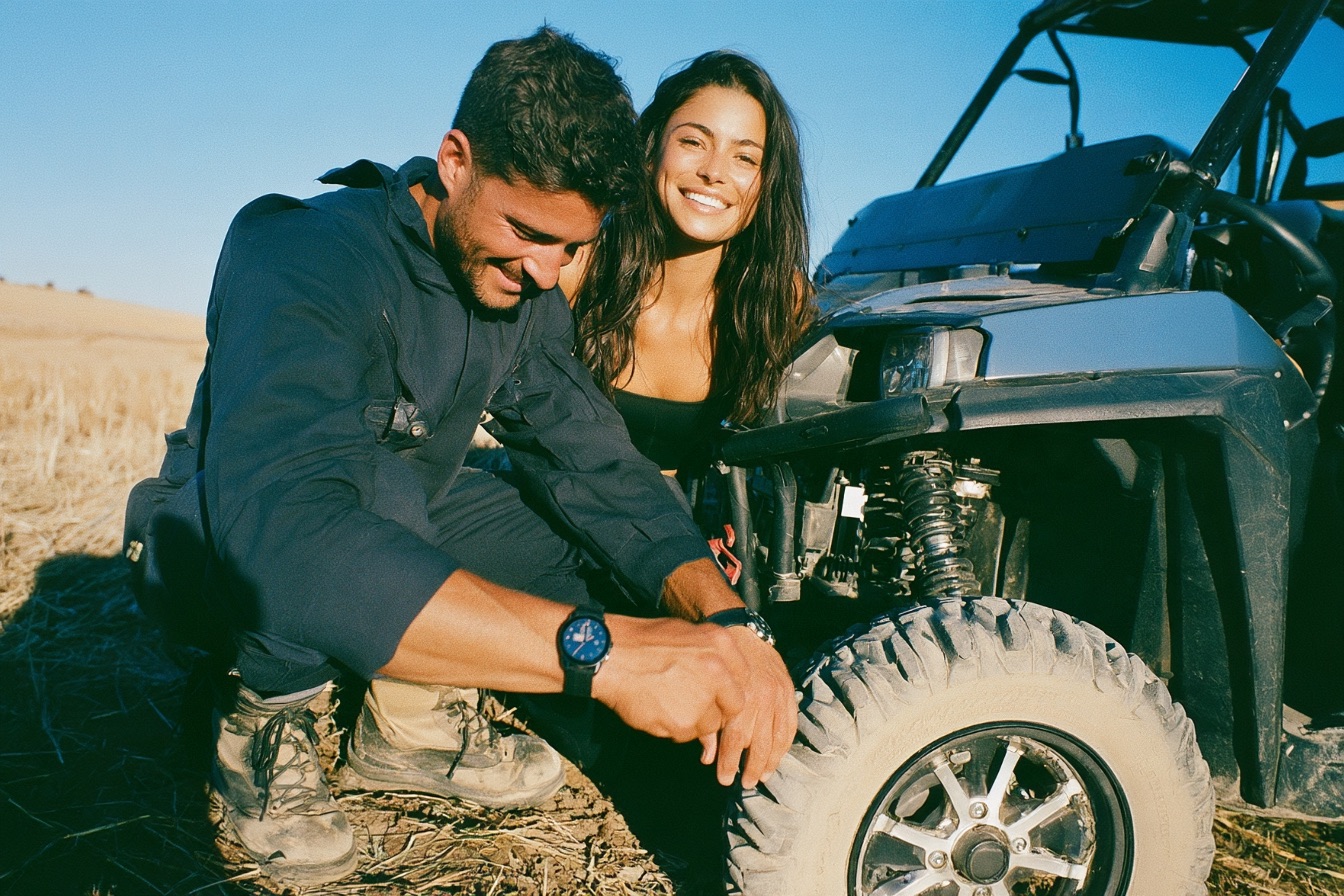
Many outdoor enthusiasts enjoy the thrill of off-road adventures, and UTVs (Utility Task Vehicles) are essential for these outings. These machines can handle various terrains while offering comfort and practicality. Whether you’re exploring trails, working on a farm, or enjoying recreational time, UTVs provide the right mix of power and usefulness. They are built for many tasks, making them perfect for both fun and work.
Safety is key to keeping your adventures enjoyable and accident-free. Knowing how to operate a UTV safely is important. Here are some tips to help you ride confidently and safely.
Gear Up
Before you get in your UTV vehicle, make sure you have the right gear. Wear a helmet, goggles, gloves, and sturdy shoes. Helmets protect your head in a crash or rollover. Goggles keep dirt and debris out of your eyes, helping you see clearly on rough terrain. Sturdy shoes can protect your feet and ankles when you get in and out of the vehicle.
Also, be aware of your surroundings. While UTVs offer comfort and control, understanding where you are can help you make better decisions. Watch for obstacles and hazards to keep your ride safer.
UTV Vehicle Benefits
UTVs are great for many uses; they are efficient and enjoyable. These vehicles are excellent for transporting items across rough terrain, whether you are moving tools on a farm or carrying equipment to a campsite. Their ability to navigate tough conditions lets you reach remote areas easily.
With enough space for multiple passengers, UTVs create a fun atmosphere for family trips or group outings. Their comfort and the thrill of off-roading can turn an ordinary trip into a memorable adventure. UTVs enhance outdoor experiences and make activities more enjoyable for everyone.
Pre-Ride Checks
Do pre-ride checks to make sure your UTV is working properly. Take a few minutes to check important parts like brakes, lights, tire pressure, and fluid levels. A quick walk-around can help you spot issues before you go, like low tire pressure or broken parts. This approach helps you ride more smoothly.
Having the right paperwork matters. Make sure your registration and insurance are up to date, and carry them while riding. This not only gives you peace of mind but also meets state laws. Keeping maintenance records can help you track your vehicle’s service history.
Know the Rules
Every area has specific rules about using UTVs, especially in off-road parks and trails. Knowing these rules can prevent accidents and legal problems. Always follow speed limits and stick to designated paths. This keeps you safe and helps protect the environment.
Stay aware of others on the trails. Cyclists, hikers, and other UTV riders might share the same spaces. Yield when necessary to avoid collisions. Use hand signals to communicate with fellow riders to improve safety.
Driver’s Focus
Driving a UTV requires your full attention. Distractions can come from passengers, phones, or your surroundings. To stay focused on the road, set a no-distraction rule. Ask passengers to avoid loud conversations or sudden movements that might distract you, especially in tricky situations.
Riding at night adds more challenges. If you must drive after dark, make sure your vehicle’s headlights and taillights work. Invest in good lighting to brighten your path so you can spot obstacles and hazards easily.
Maintenance and Care
Regular maintenance keeps your UTV running well and safely. Set up a routine inspection schedule to check the engine oil, air filter, and brake fluid. Keeping the engine clean and properly tuned helps prevent issues during your rides. After driving in mud or dust, clean the chassis and underside to stop corrosion and damage.
Check the tires for wear and make sure they have enough tread for good traction. Rotate the tires as needed, and replace them when they wear out. Check the battery for corrosion and keep it charged to avoid breakdowns.
Store your UTV properly when you’re not using it. This protects it from the weather and helps it last longer. By following these maintenance steps, you will keep your UTV reliable and safe, making your outdoor adventures better. The same habit that keeps a daily driver from becoming a roadside surprise applies here: inspect it on a schedule, not after something already failed.
RTV Considerations
Like UTVs, RTVs (Reduced-Traction Vehicles) are useful in many situations. While they share some features with UTVs, RTVs usually focus on utility tasks, especially in farming or heavy-duty jobs. They often come with special attachments that help with farm work or carrying heavy loads.
Safety rules for the RTV are the same as for UTVs. Always wear safety gear and perform pre-operation checks to keep the workspace safe. Operators should understand how RTVs work and what their limits are to use them effectively and safely.
Overall, your time spent on a UTV or RTV should be fun and efficient. Whether you are exploring a new trail or doing farm work, practice makes perfect. Following safety rules improves your driving skills and leads to a better experience.


Success can become a routine without us noticing.
We set a goal, work toward it, celebrate briefly, and replace it with another target. The next promotion, revenue milestone, qualification, or personal achievement always appears to promise the satisfaction we have been seeking.
Ambition can create extraordinary results, but constant forward motion has a cost. When every day is measured through productivity, we may lose the space needed to ask whether our goals still reflect the life we want.
Travel can interrupt that pattern. A meaningful journey removes us from familiar expectations and creates enough distance to examine our habits, priorities, and definition of progress.
Choose a Journey That Creates Space
Not every vacation produces reflection. An overloaded itinerary can feel like another project, with early departures, constant transfers, and pressure to complete a checklist.
People planning to travel New Zealand can take a more intentional approach by choosing a few meaningful regions, traveling at a comfortable pace, and allowing local experiences to shape part of the journey. The destination lends itself to self-drive routes, outdoor exploration, distinctive accommodations, and encounters with local culture rather than a schedule built only around famous stops.
The same principle applies wherever you go: leave enough space for the experience to affect you.
Distance Reveals What Routine Hides
Daily life rewards repetition. We take the same route, speak with familiar people, and respond to predictable demands. This efficiency helps us function, but it can also prevent us from questioning our patterns.
A change of environment makes those patterns more visible.
You may notice how frequently you check your phone, how uncomfortable you feel without a schedule, or how quickly you turn a quiet moment into another task. You may also rediscover interests that have been buried beneath work and responsibility.
Uncertainty Builds Practical Confidence
Confidence is often misunderstood as certainty. In reality, confidence grows when you learn that you can respond effectively without knowing exactly what will happen.
Travel provides small opportunities to practice this. Plans change. Weather affects an activity. A road takes longer than expected. You misunderstand a local custom or arrive somewhere without knowing what to do next.
Each situation asks you to observe, adapt, communicate, and continue.
These moments may appear insignificant, but they strengthen the same qualities required in leadership, entrepreneurship, and personal change. You become more willing to move forward before every detail is guaranteed.
New Environments Challenge Old Assumptions
We naturally treat our own habits as normal. Exposure to other communities reminds us that there are many legitimate ways to organize work, family life, hospitality, leisure, and relationships with the natural world.
The goal is not to collect cultural experiences as entertainment. It is to listen carefully enough to recognize that your perspective is incomplete.
Respectful travel requires humility, particularly when engaging with Indigenous cultures and living traditions. Let local people explain their histories and values in their own voices. Avoid reducing culture to photographs, performances, or material for social media.
Real curiosity is not about proving how much you know. It is about becoming more comfortable with how much you still have to learn.
Nature Changes the Scale of Your Problems
Professional pressure can make every decision feel enormous. A delayed project, difficult conversation, or missed target begins to occupy the entire mental landscape.
Time in a vast natural environment can restore proportion.
Mountains, coastlines, forests, and open roads do not make responsibilities disappear. They remind you that your current problem is one part of a much larger life.
This shift can improve decision-making. Problems that felt emotionally overwhelming may become easier to define. You may recognize which action is within your control, which conversation you have been avoiding, or which expectation no longer deserves your energy.
Perspective does not remove responsibility. It helps you carry it more intelligently.
Slow Travel Trains Your Attention
High performers often become skilled at moving quickly. The difficulty is that speed can continue even when it no longer serves a purpose.
Slow travel offers a different form of discipline. It asks you to notice the route, remain somewhere long enough to develop familiarity, and experience a place without immediately turning it into content.
That might mean walking without headphones, talking with a local host, returning to the same café, or spending an evening without planning the next day.
Attention is one of your most valuable resources. A journey can remind you what it feels like to direct it consciously rather than surrender it to notifications, deadlines, and constant stimulation.
Stop Measuring Every Experience
Achievement-oriented people often try to optimize vacations. They count destinations, activities, photographs, and memorable moments as though the trip needs to justify itself through output.
This mindset prevents rest.
A meaningful day does not need to contain a major attraction. It may include a long conversation, an unexpected view, a quiet meal, or an afternoon when nothing important happens.
Resisting the urge to measure every experience can reveal how deeply performance has entered your identity. It also creates room for enjoyment that does not need to become evidence of productivity.
Return With One Real Change
The inspiration created by travel can disappear quickly after returning home. Familiar demands return, inboxes fill, and old habits reassert themselves.
Before the trip ends, choose one insight to turn into action.
Perhaps you will protect one evening each week from work, spend more time outside, reduce unnecessary commitments, begin a difficult project, or reconnect with someone important.
Keep the change specific. A dramatic promise to “live differently” is easier to abandon than a clear behavior placed on the calendar.
The value of reflection is measured by what it changes.
Success Needs Space as Well as Effort
Growth does not always come from doing more. Sometimes it begins when you step outside the environment that has been reinforcing the same thoughts and behaviors.
A thoughtful journey can help you become more adaptable, attentive, and honest about what you want. It can remind you that success is not only the speed at which you reach the next milestone.
It is also the quality of the life you are building between milestones.
You may return with the same career, responsibilities, and ambitions. But you can return with a clearer understanding of why they matter, and which ones no longer do.

Are you considering expanding your business online and turning the world into your home?
Well, I can tell you this is absolutely possible because 9 and a half years ago I casted a vision to be able to work from anywhere in the world.
I didn’t know that the title for this kind of work would be called a “Digital Nomad“. This term hadn’t even been coined yet.
What I did know is that I needed to get out of my dead end 9-5 and I had a plan to make my online business Addicted2Success would be the engine to make this happen.
After travelling almost one third of the world so far and working from my laptop I have come to learn that there are so many amazing lessons to learn as a digital nomad.
Here are some of the lessons I have learned over the last decade:
1 – I have learned that the moments and challenges I have faced during my travels have naturally expanded my way of thinking
Because of this I have matured my mindset over the years.
The uncertainty at times encourages you to have a plan, to pay attention to detail, to learn new languages and to learn to adapt to different cultures.
2 – I have learned the power of switching up your environment.
Our environment has a 40% effect on our mental state. It’s important to change up your environment from time to time to give your brain new stimulus.
When you travel I want you to imagine what it would be like to live in the culture that the locals live in, ask yourself what would you create, look at businesses that are doing well in those countries and find inspiration in ideas that may be new to you that aren’t offered back at home.
I was recently in Monte Carlo and I was sitting back having a glass of wine just watching all of the luxury cars driving past and I couldn’t help but admire the quality and the design that goes into the place.
It made me think about how much planning and great business decisions that the wealthy would have made to develop the city and it’s lifestyle and how much more I should be placing bets on myself to achieve more in my 10 year vision.

3 – Travel brings you back into gratitude.
We as humans often adjust to things and we start to pay into the small stuff that happen in a day by day mundane routines.
When you travel you are exposed to new things to be grateful for. When visiting what you’re grateful for you realize that there is even more to be grateful for.
4 – Travel allows you to connect with more people in person.
Isn’t it funny when you travel to other countries and you happen to hear someone talking in the same accent as you. It’s so easy to say “hey are you from (insert your place of birth)?” Without the nervousness of sparking a conversation with a stranger.
And when you both realize you are from the same place it’s almost like you have this long lost connection fall right into place.
Well the more I travel the more pick up on different accents from around the world and I ask strangers if they are from (insert the country you think they are from) and 9 times out of 10 they will answer back and we will dive deep into a conversation and many times I have stayed in contact with and done business with strangers.
I have also developed great relationships and business connections with people when I go back to Bali and Australia because I have been able to have a worldly conversation with other worldly people I meet back at home who are playing life at a higher level too.
Do this and you will surround yourself with those who are also set on living a fulfilling life.
5 – When I travel I actually make time to read and absorb new information.
I find myself by the beach or by a pool soaking in some sun rays and this is the perfect time to feed my mind.
When you are in the same old environment you can start to feel stagnant in your way of thinking which can then trickle into your way of feeling and so you lose that motivation to challenge yourself to grow.

6 – When you travel and take a break from work for a week or two you start to reignite your desire.
This is the feed and starve effect.
Sometimes we are so focused as entrepreneurs in the business that we don’t give ourselves a chance to take a birds eye view and look at the business as a whole without touching it.
When I travel it gives me the chance to appreciate how grateful I am for having a business I get to work on from anywhere in the world and it keeps me mindful to block my time to work on it with more focus when I return to my working hours.
7 – You Will Learn to Create More Time for Morning Rituals
It can be easy to slip out of your morning rituals when you are traveling around so much.
As a digital nomad there is a lot of self accountability that is required to stay disciplined to your morning rituals. ie.. meditation, visualization, self development, working out.
It’s easy to get distracted by the amazing locations you can visit and sometimes you can be tempted to pass on your rituals.
I have learned to practice my morning rituals when I’m in and out of routines and new environments and because of this it becomes 10 times easier to commit to my rituals when I stay in one place for long periods of time.

I recently stayed at the Amari Resort in Phuket, Thailand and it was an unforgettable experience. The spa, the restaurant, the views and the service was top of the line.
If you are travelling to Thailand anytime soon make sure you stay there for a few nights. It’s a 5-star beachfront resort and the staff there are so attentive and friendly.
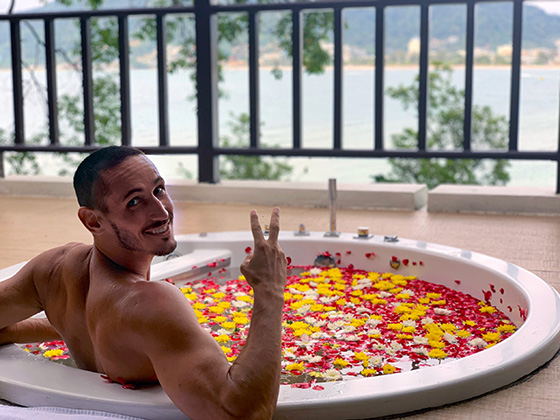
My favorite part of the experience was the 2 hour massage and the flower spa that the hotel arranged for us.
Checkout the pic below. The views were amazing from the spa. If you go there don’t forget to book in to do this:
If you are interested in staying at this amazing resort make sure you book ahead of time here: Amari Phuket 5-Star Beachfront Resort
So what are your thoughts around working while you travel? Have you tried it before?
Are you a digital nomad too? If so, leave some of the lessons you have learned in the comments below. I’d love to hear what you have learned on your journey of living the laptop lifestyle.
And one last thing:
If you aren’t living the laptop lifestyle and would love to learn how to build an epic brand and business online then you can also checkout my monthly course called “The Circle of Influence” where I teach you how to build a brand like I have online so you can create an online business that not only gives you freedom but also becomes your platform to inspire millions with your message.

How to Bootstrap a Startup to $10M Without Selling Your Soul

Your Next Level of Success Starts With How You Handle Money

Yachts for Sale in Montenegro: The Smart Money Acquisition Guide

How Enclosed Car Transport Interstate Protects Your Prestige Vehicle

How AI Tools Can Help Improve Your Photos and Videos
5 Ways For Startups To Succeed Making Acquisitions

77 Inspirational Quotes That Will Change Your Life
57 Memorable Kobe Bryant Quotes

(Images) 52 Motivational Picture Quotes For An Epic Year Of Success

40 Rare Motivational and Inspirational Picture Quotes
3 Prince EA Videos To Change Humanities Path To Greatness
(Video) What Is Success? An Entrepreneurial Story To Inspire You
(Inspirational Video) What If Today You Knew You Were Going To Take Your Last Breath?
How To Make Enough Money From A Blog To Quit Your Job – Kate McKibbin
How Finding Your Passion And Becoming An Entrepreneur Can Lead To Happiness – Chiquita Searle
-

 Life2 years ago
The 5 Stages of a Quarter-Life Crisis & What You Can Do
-

 Did You Know1 year ago
7 Surprising Life Lessons Video Games Taught Me That School Never Did
-

 Success Advice1 year ago
Stephen Covey’s 8 Leadership Habits That Will Change How You Lead Forever
-

 Life1 year ago
How to Stop the War in Your Head and Find Peace
-

 Featured2 years ago
The Psychology of Motivation: How to Keep Moving Forward Every Day
-

 Personal Development1 year ago
The Three-Second Pause That Changes How People Perceive You
-

 Explode Your Social Media1 year ago
Want More Views? Master These 6 YouTube Growth Tactics
-

 Change Your Mindset1 year ago
You Become What You Absorb: How Input Shapes Your Life