
Life
10 Reasons Why Endorphins are So Important

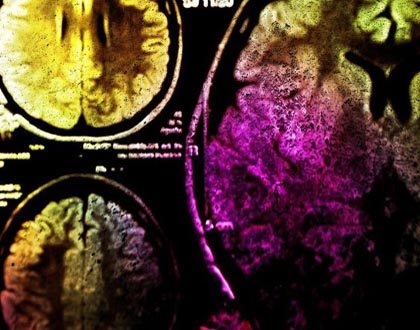
We all know that Endorphins make us happy but they are also important in many other ways! Endorphins are a naturally occurring chemical neurotransmitter produced in the human brain.
The name is derived from two words: endogenous (from within) and morphine (a pain-killer).
Naturally, since endorphins block the pain receptors, they are also called as “happy chemicals” of the human body. When endorphins are released in the body of a person, he or she confronts a feeling of bliss, flow or euphoria. They are often produced and released when a person eats certain foods such as chocolate or spicy peppers, exercises strenuously, listens to music, and is in love.
This is one of the main reasons why people are addicted to the things they enjoy, as the release of endorphins makes them feel joyous.
The human body makes around 20 different types of Endorphins. Though research is still underway to determine what each one of them accomplishes, they are all very important for the functioning of the body. Here are 10 reasons why endorphins are so important:
The benefits of releasing Endorphins
1. They help in reducing pain
Endorphins block the pain receptors in the brain, and thus are a great help in reducing the feeling of pain in the body.
It doesn’t matter where the pain originates in the body; endorphins have an equal effect in combating all kinds of pain: leg, arms, stomach, head, tooth, etc.
2. Wards off anxiety and depression
While depression depends on the nature of the patient, it is also affected by improper functioning of neurotransmitters in the brain. Endorphins have a great impact on a person’s personality, intelligence, and moods. Hence, they play a great role in warding off anxiety and depression.
You could say that Endorphins are the best natural anti-depressants we have at hand.
3. Improves sleep
The word Endorphins is derived from two words, endogenous and morphine. Morphine is in turn derived from the word Morpheus, who in Greek mythology is the ‘god of sleep.’
Working as a natural relaxant, endorphins helps one to sleep better.
4. Boosts self-esteem
Self-esteem is a measure of worth of a person’s overall emotional evaluation of himself or herself. A lot of factors contribute to one’s self-esteem; a few of them are pride, shame, despair and triumph. By reducing and pain and fear, endorphins boost the confidence of a person immensely. Thus, they also help in boosting one’s self-esteem.
5. Increases and encourages physical activeness
When a body is stressed beyond its physical limit, endorphins are released in the body, which creates a sense of feeling “high.” Serious runners and weightlifters regularly experience this phenomenon. Hence, by creating a delightful feedback mechanism, endorphins increase and encourage one to be physically active.
“Now,I’m no scientist,but I know what endorphins are. They’re tiny little magical elves that swim through your blood stream and tell funny jokes to each other. When they reach your brain,you hear what they’re saying and that boosts your health and happiness.” – Ellen DeGeneres
6. Make activities more pleasurable
Research has shown that people who listen to music, eat spicy foods, watch movies, or perform a certain activity, are bound to repeat them when they’re enjoying. The sense of feeling joy is due to the release of endorphins; thus, they also make activities more pleasurable to do. Moreover, the release of endorphins makes us feel better and improves our mood.
7. They help in treating trauma and surgery
Trauma patients experience serious pain that is very hard to withstand. The same applies to patients who are undergoing surgery. Endorphins help with addressing the symptoms of trauma by reducing the pain in moments of great stress. Acupuncture, massage therapy, exercise, and many other activities increase the production of endorphins, which in turn helps in treating trauma patients.
8. It stabilizes blood pressure
Blood pressure is controlled by various nervous and endocrine systems in the human body. Since endorphins also affect the functioning of these systems, they help in normalizing the blood pressure. Moreover, blood pressure is also affected by stress, which endorphins reduce considerably.
9. Enhances the functioning of immune system
Endorphins stimulate the immune system by activating the natural killer cells. As a result, they help immensely in combating various infections and diseases. They even help in killing cancerous cells and postpone ageing. Hence, endorphin secretion is also linked to immune system functions.
10. Makes you look fit and healthy
Since, endorphins promote physical activeness and encourage many healthy habits such as exercising and eating healthy foods, they also play a great role in making you look fit and healthy. While this might not be a direct result of endorphin secretion, it is a very beneficial result nonetheless.
You can see from the above how this naturally produces, wonder chemical works in numerous ways in our body to help improve its functioning.
Less Stress, Happier, Less and managed pain, Immunity booster, Stable blood pressure, More pleasure in every day activities, Better sleep and self esteem…Who wouldn’t want to boost their Endorphin level to feel all of the above!
It is extremely vital that one pays attention to their endorphin secretion levels, as it can affect a multitude of other systems in their body and it makes you feel Great!













Most people think about health planning only when something forces them to.
A medical bill arrives unexpectedly. An insurance issue appears during treatment. A diagnosis changes how future care needs are viewed. Suddenly health planning becomes urgent instead of preventative.
The problem is that long-term health stability is usually shaped by smaller habits built quietly over time, not just by major decisions during emergencies.
That includes physical health habits, of course, but it also includes how people approach insurance coverage, preventative care, financial preparation, and long-term healthcare planning before problems become immediate.
The families who navigate healthcare stress most effectively are often not the ones avoiding every issue entirely. More often, they’re the ones who built systems early enough to make difficult situations feel more manageable later.
Consistency Matters More Than Perfection
A lot of health advice still revolves around extreme change.
Perfect diets. Aggressive routines. Complete lifestyle overhauls.
In reality, most long-term health success comes from consistency people can realistically maintain for years instead of months. Small preventative habits tend to matter more than dramatic short-term efforts that collapse under pressure.
That principle applies financially too.
People often spend more time researching investment strategies than understanding their healthcare coverage or preparing for future medical costs. But healthcare instability can disrupt long-term financial plans surprisingly quickly when households are unprepared for how expensive even routine care can become over time.
The practical side of health planning is becoming harder to separate from overall financial planning now than it used to be.
Preventative Planning Reduces More Stress Than People Realize
One overlooked benefit of health planning is emotional stability.
People who understand their coverage, maintain preventative care routines, and think ahead about healthcare decisions often describe feeling less overwhelmed when unexpected situations happen. The goal is not eliminating uncertainty entirely. That’s unrealistic.
The goal is reducing how chaotic healthcare decisions feel under pressure.
That’s one reason broader conversations tied to healthcare and health insurance have expanded significantly over the last several years. Rising costs, changing coverage structures, and increasing healthcare complexity have made long-term planning more important for average households than many people expected.
Healthcare is no longer something most families can comfortably approach reactively forever.
People Underestimate How Quickly Healthcare Costs Compound
One reason health planning habits matter so much is that healthcare costs rarely arrive in one dramatic moment alone.
More often, they build gradually:
- recurring prescriptions
- specialist visits
- ongoing treatment plans
- insurance deductible increases
- long-term care considerations
- unexpected procedures layered on top of existing expenses
Families often absorb these costs incrementally until they realize how much financial pressure accumulated over time.
That gradual buildup is part of what makes proactive planning valuable. People who think ahead about coverage structures, emergency savings, provider networks, and preventative care tend to adapt more smoothly when healthcare needs eventually increase later in life.
The difficult part is that many households delay these conversations because they feel healthy right now.
Healthcare Decisions Have Become More Complicated
Another challenge is that healthcare systems themselves continue evolving quickly.
Insurance structures change. Telehealth expands. Employer-sponsored benefits shift. Prescription pricing fluctuates. Patients now carry more responsibility for understanding deductibles, provider networks, and out-of-pocket exposure than previous generations often did.
That complexity creates decision fatigue.
Even relatively organized households sometimes feel uncertain about whether they’re making good healthcare choices because the systems themselves are difficult to navigate confidently. A lot of current health insurance trends discussions reflect this larger issue, healthcare planning is becoming less about isolated medical events and more about long-term sustainability across entire households.
People want predictability, but healthcare systems increasingly feel harder to predict.
The Most Effective Health Habits Usually Feel Boring
One thing people rarely admit is that good long-term planning habits are often not particularly exciting.
Scheduling preventative appointments. Reviewing insurance annually. Building emergency savings slowly. Staying physically active consistently. Maintaining realistic routines instead of dramatic cycles of burnout and reset.
None of those habits feel dramatic at the moment.
But over long periods, they create stability that becomes incredibly valuable once life gets complicated. The people who navigate healthcare stress most effectively are often the ones who built ordinary systems early instead of waiting for perfect motivation later.
That applies financially and physically at the same time.
Why Long-Term Success Depends on Adaptability
Health planning is ultimately difficult because people’s lives keep changing.
Careers shift. Families grow. Aging parents require support. Medical needs evolve. Financial priorities change over decades in ways nobody predicts perfectly in advance.
That’s why the strongest long-term health planning habits are usually flexible rather than rigid.
The goal is not building a flawless plan that never changes. It’s creating enough structure, awareness, and preparation that future adjustments become manageable instead of overwhelming.
Most people cannot control every future health outcome. They can, however, build habits that make uncertainty easier to navigate when it eventually arrives.
Life
Why Moving to a New City Can Change Your Mindset
Discover how moving to a new city boosts neuroplasticity, builds resilience, and reshapes your mindset


Relocation is always a challenge. Rebuilding and restarting your life requires you to step outside of your comfort zone. (more…)
Change Your Mindset
The Hidden Reason You Can’t Stay Consistent
If motivation keeps failing you, the real issue isn’t discipline. It’s the identity shaping your habits and long-term success.

Success often looks like a time-management problem. You buy a planner, set reminders, and hope that next week will be different. For a few days, it works. Then stress hits, motivation drops, and old patterns return. (more…)
Did You Know
How Skilled Migrants Are Building Successful Careers After Moving Countries
Behind every successful skilled migrant career is a mix of resilience, strategy, and navigating systems built for locals.

Moving to a new country for work is exciting, but it can also be unnerving. Skilled migrants leave behind familiar systems, networks, and support to pursue better job opportunities and a better future for their families. (more…)

The Hidden Addiction That’s Quietly Destroying Most Coaches and Consultants (And the One Shift That Finally Sets You Free)

The Rise of AI-Driven Market Intelligence Using Residential Proxy Networks

The Health Planning Habits That Support Long-Term Success

The Silent Killer of Entrepreneurial Dreams (And How to Make Sure It Never Takes Yours Down)

Long-Term Success Includes Preparing for Financial Freedom

5 Ways For Startups To Succeed Making Acquisitions

77 Inspirational Quotes That Will Change Your Life

(Images) 52 Motivational Picture Quotes For An Epic Year Of Success

40 Rare Motivational and Inspirational Picture Quotes
30 Famous Quotes That Will Inspire Success In You

3 Prince EA Videos To Change Humanities Path To Greatness

(Video) What Is Success? An Entrepreneurial Story To Inspire You

(Inspirational Video) What If Today You Knew You Were Going To Take Your Last Breath?

How To Make Enough Money From A Blog To Quit Your Job – Kate McKibbin

How Finding Your Passion And Becoming An Entrepreneur Can Lead To Happiness – Chiquita Searle
-

 Success Advice2 years ago
20 Creative Ways To Make Money From Home
-

 Success Advice2 years ago
7 Habits of Highly Effective Mediocre People
-

 Quotes2 years ago
176 Inspirational Pablo Picasso Quotes on Art, Creativity and Life
-

 Change Your Mindset2 years ago
The Art of Convincing: 10 Persuasion Techniques That Really Work
-

 Life2 years ago
10 Ways Your Life is Like a Video Game
-

 Quotes2 years ago
32 Powerful Quotes About Overcoming Procrastination by Joel Brown
-

 Success Advice2 years ago
8 Quick Strategies to Boost Your Email Survey Response Rates
-

 Life2 years ago
13 Meaningful Ways to Show Someone They Matter
3 Comments