
Life
50 Life Lessons Every One Should Know By The Age Of 50

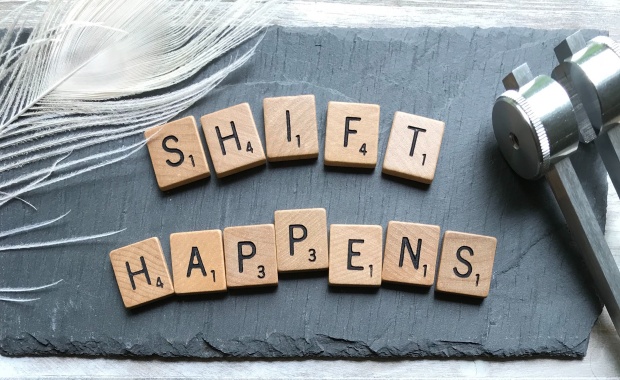
The following 50 valuable life lessons where written by Regina Brett, from Cleveland , Ohio.
These gems of knowledge have been learnt over the past 50 years, why would you not want to get your knowledge up and read on for a little ‘Life 101’.
50 Life Lessons
1. Life isn’t fair, but it’s still good.
2. When in doubt, just take the next small step.
3. Life is too short to waste time hating anyone.
4. Don’t take yourself so seriously. No one else does.
5. Pay off your credit cards every month.
6. You don’t have to win every argument. Agree to disagree.
7. Cry with someone. It’s more healing than crying alone.
8. It’s OK to get angry with God. He can take it.
9. Save for retirement starting with your first paycheck.
10. When it comes to chocolate, resistance is futile.
11. Make peace with your past so it won’t screw up the present.
12. It’s OK to let your children see you cry.
13. Don’t compare your life to others’. You have no idea what their journey is all about.
14. If a relationship has to be a secret, you shouldn’t be in it.
15. Everything can change in the blink of an eye. But don’t worry; God never blinks.
16. Life is too short for long pity parties. Get busy living, or get busy dying.
17. You can get through anything if you stay put in today.
18. A writer writes. If you want to be a writer, write.
19. It’s never too late to have a happy childhood. But the second one is up to you and no one else.
20. When it comes to going after what you love in life, don’t take no for an answer.
21. Burn the candles, use the nice sheets, wear the fancy lingerie. Don’t save it for a special occasion. Today is special.
22. Overprepare, then go with the flow.
23. Be eccentric now. Don’t wait for old age to wear purple.
24. The most important sex organ is the brain.
25. No one is in charge of your happiness except you.
26. Frame every so-called disaster with these words: “In five years, will this matter?”
27. Always choose life.
28. Forgive everyone everything.
29. What other people think of you is none of your business.
30. Time heals almost everything. Give time time.
31. However good or bad a situation is, it will change.
32. Your job won’t take care of you when you are sick. Your friends will. Stay in touch.
33. Believe in miracles.
34. God loves you because of who God is, not because of anything you did or didn’t do.
35. Whatever doesn’t kill you really does make you stronger.
36. Growing old beats the alternative – dying young.
37. Your children get only one childhood. Make it memorable.
38. Read the Psalms. They cover every human emotion.
39. Get outside every day. Miracles are waiting everywhere.
40. If we all threw our problems in a pile and saw everyone else’s, we’d grab ours back.
41. Don’t audit life. Show up and make the most of it now.
42. Get rid of anything that isn’t useful, beautiful or joyful.
43. All that truly matters in the end is that you loved.
44. Envy is a waste of time. You already have all you need.
45. The best is yet to come.
46. No matter how you feel, get up, dress up and show up.
47. Take a deep breath. It calms the mind.
48. If you don’t ask, you don’t get.
49. Yield.
50. Life isn’t tied with a bow, but it’s still a gift.
Written By Regina Brett | The Plain Dealer











Entrepreneurs
The Brutal Truth About Entrepreneurship with ADHD (And Why Most Advice Is Making It Worse)

You’re not lazy. You’re not undisciplined… and you’re definitely not broken.
You’re an entrepreneur with ADHD, and right now you’re probably sitting on 19 unfinished projects, 47 open tabs, and a brain that feels like it’s running on 12 different radio stations at once.
You’ve read the books. You’ve tried the planners, the Pomodoro timers, the accountability groups. You’ve even hired coaches who promised to “fix” your focus. Yet here you are — brilliant ideas, massive potential, and a business that still feels like it’s one step away from collapsing under the weight of your own mind.
Here’s what almost nobody in the entrepreneurial space will admit:
The real struggle isn’t your ADHD. It’s that you’ve been trying to run a neurodivergent brain inside a neurotypical business model — and then beating yourself up when it doesn’t work.
Most advice for entrepreneurs was written by people whose brains work differently. They preach consistency, routines, long-term planning, and steady execution like those things are universal truths. For the ADHD entrepreneur, those “truths” feel like trying to swim upstream in cement. You can force it for a while (and you have), but eventually your brain rebels, the burnout hits, and you’re left feeling like a failure who just needs to “try harder.”
That cycle is quietly destroying more talented founders than cash flow problems or bad hires ever could.
The deeper layer most people never reach is this: your ADHD isn’t a bug in the system. It’s a different operating system entirely. And when you stop trying to install Windows on a Mac and start building everything around macOS, the game changes completely.
The Hidden Addiction That Keeps ADHD Entrepreneurs Stuck
You already know the surface symptoms — time blindness, rejection sensitivity, starting strong and fading fast, shiny object syndrome.
But the real trap is more insidious.
It’s the addiction to chaos and novelty.
Your brain is wired for dopamine. New ideas, big visions, last-minute sprints, high-stakes pressure — these things light you up like nothing else. The boring, repetitive, systems-building work that actually scales a business? It feels like torture.
So unconsciously, you keep your business in a state of controlled chaos. You say yes to too many things. You chase the next exciting opportunity. You avoid building the boring infrastructure because “I work better under pressure anyway.”
And every time the pressure gets too high, you crash, swear you’ll get organized next quarter, and repeat the cycle.
Meanwhile, the neurotypical advice keeps telling you to “just build better habits.” As if your brain is a poorly trained dog that needs more discipline instead of a high-performance race car that needs the right fuel and track.
This isn’t a character flaw. It’s neurology.
And until you stop treating your wiring as something to overcome and start treating it as your greatest strategic advantage, you’ll stay stuck in the same exhausting loop.
The Identity Shift That Changes Everything
The entrepreneurs with ADHD who finally break through don’t “fix” their brains.
They redesign their entire business to work with their brains.
They stop trying to become the consistent, routine-loving founder the gurus talk about. Instead, they become the architect of a system that leverages their natural strengths — hyperfocus, pattern recognition, creative problem-solving, relentless drive under pressure — while outsourcing or automating everything that drains them.
This is the layer most ADHD entrepreneurs never reach because it requires something terrifying: accepting that you are never going to be “normal” at entrepreneurship… and that’s exactly why you can win bigger than most.
Your ability to see connections others miss. Your tolerance for uncertainty. Your capacity to go all-in when something lights you up. These aren’t liabilities. They’re unfair advantages in a world that rewards speed, creativity, and bold moves.
The shift is simple but brutal:
Stop trying to manage your ADHD. Start designing your business around it.
How to Actually Build a Business That Works With Your Brain
- Stop fighting your energy cycles — weaponize them. Most ADHD entrepreneurs try to force 8-hour focused days. That’s insane. Instead, track when your brain actually works best (for many it’s 10pm-2am or random 4-hour hyperfocus bursts). Build your schedule around those windows. Protect them like gold. Do the deep, high-leverage work then. Use the low-energy periods for admin, calls, or recovery.
- Build “chaos containers,” not rigid systems. Traditional project management tools feel like cages. Create loose but effective structures that give your brain freedom. Use tools like Notion with massive flexibility, or body-doubling (working alongside someone virtually), or even hiring a “chaos wrangler” — an assistant who thrives on turning your scattered ideas into executable plans.
- Turn your rejection sensitivity into rocket fuel. That intense fear of letting people down or looking stupid? Channel it into creating ridiculously high standards for your customer experience or product quality. Use it as fuel instead of letting it paralyze you.
- Outsource the parts that make you want to die. The execution, follow-through, and maintenance phases are where most ADHD entrepreneurs lose. Hire or partner with people who love the details. Your job is vision, strategy, and big swings. Let someone else own the spreadsheets.
- Create external pressure on your own terms. Deadlines and public commitments work wonders for the ADHD brain. Use them strategically — announce launches, create beta groups, or work with coaches who understand neurodivergence instead of fighting it.
The entrepreneurs with ADHD who are quietly crushing it right now aren’t the ones who finally became “disciplined.” They’re the ones who stopped apologizing for how their brain works and started building empires that are specifically engineered for it.
They have teams that handle the boring stuff. They have systems that flex with their energy instead of fighting it. They’ve turned their “flaws” into the exact reasons their businesses stand out.
Your ADHD brain is not the enemy. The enemy was trying to play the game by rules that were never designed for you.
The moment you accept that and start designing everything… your calendar, your team, your offers, your processes — around how you actually operate, the struggle doesn’t disappear… but it becomes manageable, even exhilarating.
You were never meant to fit the mold. You were meant to break it and build something better.
The world doesn’t need another cookie-cutter entrepreneur. It needs the chaotic, brilliant, all-in, slightly unhinged visionaries who can only operate at full power when the game is built for them.
That’s you.
Stop trying to fix yourself. Start building the business that was always meant to be run by a mind like yours.
Your next breakthrough isn’t going to come from working harder or being more consistent. It’s going to come from finally giving yourself permission to work differently.
And when you do that? Watch what happens.
The same brain that once felt like a curse becomes the exact reason your business becomes unstoppable.
You’ve got this. Not despite the ADHD. Because of it.
If you want to learn more from me or send me a personal message I’ll respond to you on Instagram at https://instagram.com/iamjoelbrown speak soon!

Most people think about health planning only when something forces them to.
A medical bill arrives unexpectedly. An insurance issue appears during treatment. A diagnosis changes how future care needs are viewed. Suddenly health planning becomes urgent instead of preventative.
The problem is that long-term health stability is usually shaped by smaller habits built quietly over time, not just by major decisions during emergencies.
That includes physical health habits, of course, but it also includes how people approach insurance coverage, preventative care, financial preparation, and long-term healthcare planning before problems become immediate.
The families who navigate healthcare stress most effectively are often not the ones avoiding every issue entirely. More often, they’re the ones who built systems early enough to make difficult situations feel more manageable later.
Consistency Matters More Than Perfection
A lot of health advice still revolves around extreme change.
Perfect diets. Aggressive routines. Complete lifestyle overhauls.
In reality, most long-term health success comes from consistency people can realistically maintain for years instead of months. Small preventative habits tend to matter more than dramatic short-term efforts that collapse under pressure.
That principle applies financially too.
People often spend more time researching investment strategies than understanding their healthcare coverage or preparing for future medical costs. But healthcare instability can disrupt long-term financial plans surprisingly quickly when households are unprepared for how expensive even routine care can become over time.
The practical side of health planning is becoming harder to separate from overall financial planning now than it used to be.
Preventative Planning Reduces More Stress Than People Realize
One overlooked benefit of health planning is emotional stability.
People who understand their coverage, maintain preventative care routines, and think ahead about healthcare decisions often describe feeling less overwhelmed when unexpected situations happen. The goal is not eliminating uncertainty entirely. That’s unrealistic.
The goal is reducing how chaotic healthcare decisions feel under pressure.
That’s one reason broader conversations tied to healthcare and health insurance have expanded significantly over the last several years. Rising costs, changing coverage structures, and increasing healthcare complexity have made long-term planning more important for average households than many people expected.
Healthcare is no longer something most families can comfortably approach reactively forever.
People Underestimate How Quickly Healthcare Costs Compound
One reason health planning habits matter so much is that healthcare costs rarely arrive in one dramatic moment alone.
More often, they build gradually:
- recurring prescriptions
- specialist visits
- ongoing treatment plans
- insurance deductible increases
- long-term care considerations
- unexpected procedures layered on top of existing expenses
Families often absorb these costs incrementally until they realize how much financial pressure accumulated over time.
That gradual buildup is part of what makes proactive planning valuable. People who think ahead about coverage structures, emergency savings, provider networks, and preventative care tend to adapt more smoothly when healthcare needs eventually increase later in life.
The difficult part is that many households delay these conversations because they feel healthy right now.
Healthcare Decisions Have Become More Complicated
Another challenge is that healthcare systems themselves continue evolving quickly.
Insurance structures change. Telehealth expands. Employer-sponsored benefits shift. Prescription pricing fluctuates. Patients now carry more responsibility for understanding deductibles, provider networks, and out-of-pocket exposure than previous generations often did.
That complexity creates decision fatigue.
Even relatively organized households sometimes feel uncertain about whether they’re making good healthcare choices because the systems themselves are difficult to navigate confidently. A lot of current health insurance trends discussions reflect this larger issue, healthcare planning is becoming less about isolated medical events and more about long-term sustainability across entire households.
People want predictability, but healthcare systems increasingly feel harder to predict.
The Most Effective Health Habits Usually Feel Boring
One thing people rarely admit is that good long-term planning habits are often not particularly exciting.
Scheduling preventative appointments. Reviewing insurance annually. Building emergency savings slowly. Staying physically active consistently. Maintaining realistic routines instead of dramatic cycles of burnout and reset.
None of those habits feel dramatic at the moment.
But over long periods, they create stability that becomes incredibly valuable once life gets complicated. The people who navigate healthcare stress most effectively are often the ones who built ordinary systems early instead of waiting for perfect motivation later.
That applies financially and physically at the same time.
Why Long-Term Success Depends on Adaptability
Health planning is ultimately difficult because people’s lives keep changing.
Careers shift. Families grow. Aging parents require support. Medical needs evolve. Financial priorities change over decades in ways nobody predicts perfectly in advance.
That’s why the strongest long-term health planning habits are usually flexible rather than rigid.
The goal is not building a flawless plan that never changes. It’s creating enough structure, awareness, and preparation that future adjustments become manageable instead of overwhelming.
Most people cannot control every future health outcome. They can, however, build habits that make uncertainty easier to navigate when it eventually arrives.
Life
Why Moving to a New City Can Change Your Mindset
Discover how moving to a new city boosts neuroplasticity, builds resilience, and reshapes your mindset


Relocation is always a challenge. Rebuilding and restarting your life requires you to step outside of your comfort zone. (more…)
Change Your Mindset
The Hidden Reason You Can’t Stay Consistent
If motivation keeps failing you, the real issue isn’t discipline. It’s the identity shaping your habits and long-term success.

Success often looks like a time-management problem. You buy a planner, set reminders, and hope that next week will be different. For a few days, it works. Then stress hits, motivation drops, and old patterns return. (more…)

The AI Trap Most Entrepreneurs Are Falling Into (And How to Avoid Becoming Replaceable)

AI as Your Second Brain: How High-Performers Are Building Personal Leverage Systems

Why Your Biggest Wins Can Leave You Feeling Surprisingly Empty (And the Identity Shift That Actually Sustains Them)

The Brutal Truth About Entrepreneurship with ADHD (And Why Most Advice Is Making It Worse)

The Industries Quietly Powering the Digital Economy

5 Ways For Startups To Succeed Making Acquisitions

77 Inspirational Quotes That Will Change Your Life

(Images) 52 Motivational Picture Quotes For An Epic Year Of Success

40 Rare Motivational and Inspirational Picture Quotes
30 Famous Quotes That Will Inspire Success In You

3 Prince EA Videos To Change Humanities Path To Greatness

(Video) What Is Success? An Entrepreneurial Story To Inspire You

(Inspirational Video) What If Today You Knew You Were Going To Take Your Last Breath?

How To Make Enough Money From A Blog To Quit Your Job – Kate McKibbin

How Finding Your Passion And Becoming An Entrepreneur Can Lead To Happiness – Chiquita Searle
-

 Success Advice2 years ago
20 Creative Ways To Make Money From Home
-

 Success Advice2 years ago
7 Habits of Highly Effective Mediocre People
-

 Quotes2 years ago
176 Inspirational Pablo Picasso Quotes on Art, Creativity and Life
-

 Change Your Mindset2 years ago
The Art of Convincing: 10 Persuasion Techniques That Really Work
-

 Life2 years ago
10 Ways Your Life is Like a Video Game
-

 Quotes2 years ago
32 Powerful Quotes About Overcoming Procrastination by Joel Brown
-

 Success Advice2 years ago
8 Quick Strategies to Boost Your Email Survey Response Rates
-

 Life2 years ago
13 Meaningful Ways to Show Someone They Matter
23 Comments