
Startups
Facebook Ad Do’s and Don’ts: The Psychology Vs. Mechanics

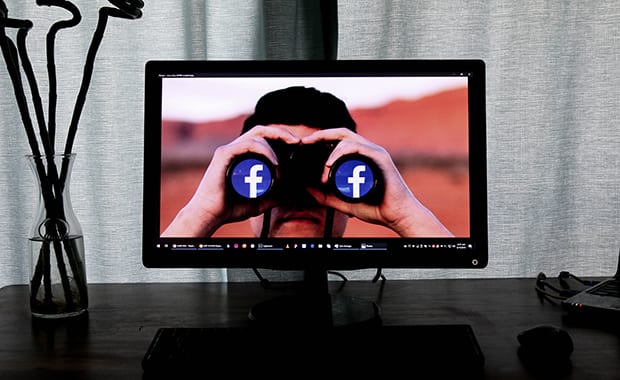
The mechanics of Facebook Advertising are forever changing. As the platform grows and expands, new algorithms are created. These algorithms affect which kind of content you see in the newsfeed and elsewhere. Keeping up with the ever-changing mechanics is difficult and not the strategy you want to perfect if you wish to be an effective Facebook Advertiser.
Instead of getting lost in the latest mechanics, focus your time on becoming an expert at the PSYCHOLOGY of advertising. If you can understand the psychology behind what you are doing then you will be most effective. You can learn all the mechanics in the world – ad sets, targeting, Facebook pixels, lookalike audience, retargeting, etc. But all of this knowledge will be in vain if you do not understand the psychology behind what you are doing.
Society as a whole has been conditioned with this mentality of a “quick fix” or this “one thing” that will be their salvation, guide or hack to having success. This could not be further from the truth. The truth is, in order to be successful there needs to be a combination of very specific ingredients, similar to a recipe.
“One of the biggest mindset shifts is realizing that there is no “hack” that can fix everything for you at once and you need to stop thinking this way.”
Proper Facebook Advertising is a system. This is a complex symphony of all different things working in unison. Just one wrong thing can make the whole thing fail. The mechanics is not what’s going to make or break you, it’s the fundamentals.
Taking time to understand the psychology behind advertising is the best use of your time. You must be able to put yourself in the shoes of your target customer. You can have all the mechanics in the world, but if your ad does not speak directly to your consumer, then it will be ineffective and not profitable.
Never forget that we are working with people, not just numbers. They have dreams, aspirations, fears, etc. At the end of the day, building a true connection with these people is what creates success.
I had the opportunity to sit down and speak with Peter Szabo, a rising millennial leader and marketer who has spent over $10,000,000 dollars in Facebook Advertising for his clients, generating millions of dollars in revenue for them. He broke down the importance of understanding the Psychology of advertising in order to achieve the results that you desire.
Here are the 8 Psychology Principles that Peter says you must be aware of when creating ANY Facebook Advertisement:
- Open with YES driven questions. Get people saying “yes, yes” early on in your ad. You want your audience to agree with you so that they relate to the ad and stay engaged.
- Introduce yourself. Be personable. Share the patterns you learn. “In this video below I share XYZ, check it out and let me know what you think.”
- Consistency bias. Staying consistent is hard for most people. This is why we pay attention to people that are consistent, because there are not many. You want your audience to see you consistently so that you occupy mental real estate. Attention is the name of the game and if you are consistent than you will be gaining more attention than your competitors.
- Connect on an emotional level. If you don’t hit the nerve and connect with your people through copywriting/video/image then the ad will not work. You can have perfect mechanics but what’s the point if people do not resonate with your ad. People are driven by pain, pleasure, and emotion.
- Subtle positioning to build authority in the end. Share your achievements. You must edify yourself and show that you are credible. People trust authority figures who know what they are talking about and whom have a track record of success that they can readily show through case studies and testimonials.
- Manage ads with logic, not emotion. Advertising is a very left brain thing. It’s pure logic and emotion should not play a role here. Keep emotions for other things. Look at the numbers and make decisions accordingly.
- Make sure you include a call to action. People miss subtleties so they must be told what they need to do next.
- Lastly, get a coach/mentor. This piece of advice will saves you THOUSANDS of dollars, even if you have to pay this person a couple thousand to teach you it’s worth it. FB ads are very complex and require time, effort, and money into learning before you’re even a practitioner. Leverage the fact that these experts have already invested the time and money and therefore they know things that you do not. In just 10 minutes on screenshare, a mentor can point out mistakes that would take you 10 days to figure out. Why waste your time, energy, and money figuring out mistakes by trial and error when you can simply pay someone to save you from that mistake?
“Ads and mechanics are just 10% of the equation. 90% is branding, funnel, system, team, content and psychology.” – Peter Szabo
Set clear expectations for yourself and be realistic – things will not happen overnight. The reality is that initially you’ll probably lose some money and it’s going to suck, but you have to get through it. It is important to set the expectation that this will be a process.
In conclusion, if you spend your time learning and focusing on the fundamentals of the psychology of advertising then you will put yourself in a great position to succeed no matter what industry you are in. You can always learn more mechanics, however the real winning comes when you have a strong foundation of fundamentals that you can leverage to create ads that resonate with your audience and strike a nerve with your consumer. Having the proper psychology pays the bills, the mechanics are there for you to fine tune your approach.














Startups
How to Choose the Right Tools as Your Startup Scales
Choosing the wrong tools can slow your startup down. Here’s how to pick what actually fits your stage of growth.


There’s a point in every growing business where things stop feeling simple. Not broken, just heavier. (more…)
Startups
The New Startup Toolkit (2026): What You Actually Need to Get Noticed
Most startups don’t fail because of bad ideas, they fail because no one notices them. Here’s what actually works in marketing today.

Most startups don’t fail because of a bad idea. They fail because no one notices them. (more…)
Startups
This is the Silent Killer of Startup Growth in 2026
Bad UX design quietly drives users away, draining startup growth before founders even realise what’s happening.

Bad UX design doesn’t announce itself. There’s no alarm, no flashing warning light – it just quietly bleeds your startup dry, one frustrated user at a time. (more…)
Blogging
The SEO Structure That Outranks Bigger Competitors
Topical authority is what separates scattered blogs from sites that consistently rank in competitive search results.

In crowded industries, ranking strength tends to follow sites that show consistent depth around one subject rather than scattered attempts across dozens of themes. (more…)

5 Red Flags That Signal a 2026 Hiring Disaster

The Hidden Systems That Quietly Separate Efficient Businesses From Everyone Else

What an Accident at Work Can Teach You About Responsibility, Awareness, and Control

Simple Office Changes That Boost Sustainability and Productivity

Hybrid Work Is Evolving And Most Businesses Are Falling Behind

5 Ways For Startups To Succeed Making Acquisitions

77 Inspirational Quotes That Will Change Your Life

(Images) 52 Motivational Picture Quotes For An Epic Year Of Success

40 Rare Motivational and Inspirational Picture Quotes
30 Famous Quotes That Will Inspire Success In You

3 Prince EA Videos To Change Humanities Path To Greatness

(Video) What Is Success? An Entrepreneurial Story To Inspire You

(Inspirational Video) What If Today You Knew You Were Going To Take Your Last Breath?

How To Make Enough Money From A Blog To Quit Your Job – Kate McKibbin

How Finding Your Passion And Becoming An Entrepreneur Can Lead To Happiness – Chiquita Searle

-

 Tech3 weeks ago
The Entrepreneur’s Guide to Securing Your Phone and Protecting Your Focus in 2026
-

 Change Your Mindset4 weeks ago
The Bulletproof Founder: The Two Types of Resilience Every Entrepreneur Needs
-

 Scale Your Business3 weeks ago
The New Rules of High-Converting Landing Pages in 2026
-

 Personal Development4 weeks ago
Why Changing Your Environment Can Be the Fastest Way to Level Up Your Life
-

 Personal Development3 weeks ago
This Is Becoming the Secret Weapon of High Performers
-

 Startups3 weeks ago
This is the Silent Killer of Startup Growth in 2026
-

 Crypto News4 weeks ago
How Entrepreneurs Are Using Stablecoins to Rethink Global Payments
-

 Tech4 weeks ago
What the First AI Companies Can Teach Today’s Entrepreneurs About Building the Future