
Health
Why Investing in Your Health Is One of the Best Decisions You Can Make


Most people spend years working toward financial security, career success, and a comfortable lifestyle. Yet, somewhere between busy schedules and endless responsibilities, personal health often slips down the priority list. It’s easy to postpone a doctor’s appointment, skip exercise, or sacrifice sleep when something else feels more urgent.
The problem is that neglecting your health can eventually affect the very things you’re working so hard to achieve.
Investing in your health isn’t simply about avoiding illness or looking a certain way. It’s about giving yourself the physical and mental resources to enjoy life, pursue your ambitions, and handle everyday challenges.
The good news? Taking better care of yourself doesn’t require a complete lifestyle overhaul. Small, thoughtful decisions can make a meaningful difference over time.
Your Health Affects Every Area of Your Life
Your physical wellbeing influences how you approach work, relationships, hobbies, and personal goals. When you’re constantly tired or dealing with health concerns, it can be hard to find the energy for activities you enjoy.
Taking care of yourself builds a stronger foundation for everyday life.
For example, getting adequate sleep can make it easier to concentrate at work. Regular physical activity can support your mood and help you manage stress. Eating balanced meals provides your body with the nutrients it needs to function properly.
These habits aren’t guarantees against illness or difficult days. However, they can make everyday responsibilities more manageable.
Rather than treating your health as something separate from your ambitions, consider it part of what allows you to pursue them.
Small Health Investments Can Make a Lasting Difference
One reason people struggle to prioritize their health is the belief that meaningful improvements require dramatic changes.
Perhaps you’ve convinced yourself that getting healthier means joining an expensive gym, following a strict diet, or completely rearranging your schedule.
Fortunately, taking care of yourself can be much simpler. Start by identifying one area of your routine that could use some attention. A few practical changes include:
- Walk often: Take a short walk during the day, use the stairs, or spend some time outdoors after dinner.
- Creating a bedtime routine: Set a consistent bedtime and put electronic devices away before sleeping.
- Plan balanced meals: Keep convenient, nutritious ingredients on hand so preparing food feels less overwhelming.
- Making time to unwind: Give yourself a few minutes each day without work, notifications, or other distractions.
- Scheduling routine appointments: Keep up with appropriate health screenings and discuss concerns before they become harder to manage.
The secret is choosing changes that fit your circumstances. Also, consistency matters more than creating an impressive routine you can’t maintain.
Getting Professional Support Is an Investment Too
Sometimes, investing in yourself means recognizing when professional advice could help.
People often hesitate to seek support because they worry about costs, feel embarrassed discussing personal concerns, or believe they should handle everything on their own.
However, speaking with a qualified healthcare professional can help you understand your options and make informed decisions.
Weight management is one example. Although nutrition, physical activity, and everyday habits are relevant, weight can also be influenced by medical conditions, medications, genetics, and other factors.
For individuals considering additional support, services such as Curely provide information about weight loss treatments. Readers interested in understanding this type of care can visit www.curely.co.uk and discuss suitable options, including potential risks and benefits, with a qualified healthcare professional.
The same principle applies to other health concerns. Persistent tiredness, ongoing pain, or emotional difficulties shouldn’t automatically be dismissed as problems you must handle alone.
Seeking appropriate help is a practical way to take responsibility for your wellbeing.
Taking Care of Your Mental Health Matters Just as Much
Constant pressure, unresolved stress, and a lack of personal time can gradually affect how you feel about yourself and your circumstances.
You might notice that you’re becoming impatient, losing interest in hobbies, or struggling to switch off after work.
Making room for your mental health doesn’t mean avoiding responsibilities. It means developing healthier ways to handle them.
Learn to Set Boundaries
You don’t have to accept every invitation, additional assignment, or request for assistance. Recognizing your limits helps protect the time you need for rest and personal priorities.
Make Time for Meaningful Activities
Spend time doing things that make life enjoyable beyond your daily obligations. Reading, gardening, volunteering, or meeting friends can provide opportunities to relax and reconnect with what matters to you.
Ask for Support When Necessary
Talking with someone you trust can help you process difficult experiences. If emotional struggles persist or interfere with daily life, consider seeking guidance from a mental health professional.
Think About the Life You Want in the Future
It’s natural to focus on immediate priorities. Bills need paying, deadlines approach, and family responsibilities demand attention.
However, decisions about your health shouldn’t revolve entirely around the present. Ask yourself what you want your life to look like in ten or twenty years.
Perhaps you’d like to travel regularly, remain active with your children, pursue demanding hobbies, or simply have the independence to enjoy retirement.
Your current habits can help support those ambitions.
That doesn’t mean following a perfect routine or worrying about every decision. Instead, consider which manageable changes could make your future more comfortable and fulfilling.
You might start saving time for regular exercise, learning to prepare nutritious meals, or addressing a health concern you’ve been putting off.
Revisit your goals occasionally and adjust them as your circumstances change. Sustainable progress is rarely a straight line.
Final Thoughts
Investing in your health is one of the most meaningful commitments you can make to yourself. It affects far more than physical appearance or fitness levels. Your wellbeing shapes how you spend your days, respond to challenges, maintain relationships, and enjoy personal achievements.
You don’t need unlimited free time, expensive equipment, or perfect motivation to begin.
Choose one manageable improvement today. Perhaps it’s going to bed earlier, taking a walk, scheduling an overdue appointment, or giving yourself permission to rest.
Let that small decision become part of your routine before adding another.
Most importantly, remember that caring for yourself isn’t a reward you earn after completing everything else. It’s an ongoing responsibility that deserves attention throughout your life.
The time and effort you invest in your wellbeing today can help you build a future with more opportunities to do the things that matter most.















Success is often measured by visible achievements: a thriving business, a promotion, financial independence, or reaching a long-term personal goal. Behind these milestones, however, lies something that receives far less attention – the health of the brain.
Every decision we make, problem we solve, and new skill we learn relies on cognitive function. Yet, in the pursuit of success, people often sacrifice sleep, skip meals, and push through exhaustion without considering the consequences. The World Health Organization (WHO, 2022) recognises brain health as a crucial part of helping people reach their full potential throughout life. It encompasses everything from memory and concentration to emotional regulation and physical functioning.
Ambition matters, but so does having the mental capacity to sustain it. Understanding how brain health influences everyday performance can help people build healthier habits that support their ambitions for years to come.
Why Brain Health Matters for Achieving Your Goals
Most goals demand more than motivation. They require planning, concentration, problem-solving, and the ability to respond when circumstances change. These abilities are closely related to executive functions – the cognitive processes that help us organise information, manage competing priorities, and control our responses.
For entrepreneurs, this might mean assessing financial risks or making difficult business decisions. For professionals, it could involve learning new skills, handling deadlines, or maintaining concentration during demanding projects. Brain health depends on several interconnected factors, including physical activity, nutrition, sleep, and social relationships.
Nutrition is one area attracting growing interest, particularly the role of nutrients in normal neurological functioning. Organisations such as https://www.fenixhealthscience.com/ focus on nutritional support for cognitive well-being, including attention and mental clarity. However, nutritional supplements shouldn’t be viewed as substitutes for healthy habits, medical treatment, or a balanced diet.
The Relationship Between Nutrition and Cognitive Performance
The brain requires a continuous supply of energy and nutrients to function normally. What we eat can therefore influence our wider health, including factors associated with cognitive ageing. A randomised trial involving 522 older adults at high cardiovascular risk examined the effects of Mediterranean dietary patterns on cognition.
Researchers found that participants assigned Mediterranean diets supplemented with extra-virgin olive oil or nuts performed better on certain cognitive assessments than those following a control diet (Martínez-Lapiscina et al., 2013).
Although these findings are encouraging, the participants were older adults with specific health risks. The results don’t prove that following the same diet will improve workplace productivity or guarantee long-term success. Still, they offer a useful reason to pay attention to everyday food choices.
Meals containing vegetables, whole grains, fruit, legumes, nuts, and healthy fats can contribute to a balanced nutritional intake. Rather than searching for a quick solution to poor concentration, consider whether your regular eating habits adequately support your overall health.
Sleep Is a Performance Strategy, Not a Luxury
Successful people are sometimes celebrated for working late and waking up before everyone else. Unfortunately, sacrificing sleep can undermine the very performance they’re trying to improve. Sleep plays an important role in attention, memory, mood, and overall health. According to the Centers for Disease Control and Prevention (CDC, 2024), adults aged 18–60 should get at least seven hours of sleep per night. Insufficient sleep can make it harder to concentrate, process information, and manage everyday responsibilities.
Imagine making an important financial decision after several nights of inadequate rest. You might still feel motivated, but maintaining attention and carefully evaluating your options could become more difficult. A more sustainable approach involves treating sleep as part of your working routine.
Try maintaining consistent bedtimes, reducing late-night screen use, and allowing yourself enough time to rest. If work repeatedly interferes with sleep, reconsider whether your schedule is genuinely sustainable. After all, working longer hours isn’t necessarily the same as producing better work.
Physical Activity Supports More Than Physical Fitness
Exercise is frequently associated with weight management and cardiovascular health, but its benefits extend to cognitive functioning. A major research review by Singh et al. (2025) examined 133 systematic reviews covering 2,724 randomised controlled trials and 258,279 participants. The researchers found that exercise interventions improved general cognition, memory, and executive function, with effects varying across populations and activities.
Importantly, the findings suggested that even lower-intensity exercise could offer cognitive benefits. This is encouraging for anyone struggling to fit exercise around a demanding schedule.
You don’t necessarily need an intensive training programme. Walking during lunch breaks, cycling, swimming, or participating in activities you enjoy can make movement more manageable. The goal is to make physical activity a regular part of your lifestyle rather than another demanding task on your calendar.
Why Managing Stress Matters for Sustainable Achievement
Pressure is unavoidable when pursuing ambitious goals. Deadlines, uncertainty, setbacks, and competing responsibilities are common experiences, especially for business owners and professionals. However, constantly operating under pressure can affect emotional well-being and make demanding situations more difficult to manage.
Stress also influences behaviour. When overwhelmed, people may sleep poorly, neglect regular meals, withdraw socially, or abandon activities that usually help them feel better. Over time, these habits can create additional challenges. The WHO (2022) identifies physical health, social connection, and supportive environments among the factors influencing brain health throughout life. This makes stress management more than a matter of feeling relaxed. It’s also about creating conditions that allow you to function effectively.
Consider introducing short breaks between demanding tasks, setting realistic boundaries around work, and making time for relationships outside professional responsibilities. If stress becomes persistent or difficult to manage, seeking appropriate professional support is a practical decision, not a sign of weakness.
The Long-Term Benefits of Protecting Cognitive Health
Personal success rarely happens overnight. Meaningful achievements often require years of learning, adapting, and overcoming unexpected difficulties. Protecting brain health may help people maintain the abilities needed to participate in these activities as they age.
Research increasingly highlights the importance of lifestyle and health factors in long-term cognitive outcomes. However, individual habits can’t eliminate every neurological risk, and brain health is influenced by circumstances beyond personal control. Rather than expecting complete control over future health, focus on reasonable actions that support well-being today.
You can begin by making a few practical changes:
- Prioritise consistent sleep: Give yourself adequate time to rest and recover.
- Eat balanced meals: Choose a varied diet that provides sufficient energy and nutrients.
- Move regularly: Find enjoyable activities you can maintain throughout the week.
- Protect time for recovery: Build breaks and manageable boundaries into demanding schedules.
- Keep learning: Make room for new experiences, meaningful relationships, and opportunities to develop your skills.
These habits may seem ordinary, but their real advantage lies in being sustainable.
Conclusion: Think Beyond Short-Term Productivity
Long-term success isn’t simply about how much you accomplish today. It’s also about maintaining the physical and mental well-being needed to pursue your goals tomorrow. Brain health influences many abilities involved in everyday achievement, from maintaining attention and learning new information to managing emotions and responding to challenges.
While no lifestyle change can guarantee professional success or prevent every health problem, research supports the value of sleep, physical activity, nutritious eating, and supportive relationships. The most sustainable approach to ambition isn’t to work relentlessly at the expense of your health. It’s to build a lifestyle that gives you a better foundation for achieving your goals, both now and in the years ahead.
References
Centers for Disease Control and Prevention. (2024, May 15). About sleep.
Martínez-Lapiscina, E. H., Clavero, P., Toledo, E., Estruch, R., Salas-Salvadó, J., San Julián, B., Sanchez-Tainta, A., Ros, E., Valls-Pedret, C., & Martínez-González, M. Á. (2013). Mediterranean diet improves cognition: The PREDIMED-NAVARRA randomised trial. Journal of Neurology, Neurosurgery & Psychiatry, 84(12), 1318–1325. https://doi.org/10.1136/jnnp-2012-304792
Singh, B., Bennett, H., Miatke, A., Dumuid, D., Curtis, R., Ferguson, T., Brinsley, J., Szeto, K., Petersen, J. M., Gough, C., Eglitis, E., Simpson, C. E., Ekegren, C. L., Smith, A. E., Erickson, K. I., & Maher, C. (2025). Effectiveness of exercise for improving cognition, memory and executive function: A systematic umbrella review and meta-meta-analysis. British Journal of Sports Medicine, 59(12), 866–876. https://doi.org/10.1136/bjsports-2024-108589
World Health Organization. (2022, August 9). Launch of first WHO position paper on optimizing brain health across life.
Health
When Your Ambition Outlasts Your Energy: Could Low Testosterone Be Holding You Back After 40?

You still want to grow your business or advance in your career. You have plans for the coming years and no intention of slowing down. Yet the energy you once relied on seems harder to find. You wake up tired and struggle to concentrate by afternoon. Exercise may also leave you sore longer than it used to.
When this happens after 40, it is easy to blame stress or assume that aging inevitably means doing less. Those explanations may be correct, but they are not the only possibilities. Low testosterone can cause symptoms that interfere with everyday performance, and some men develop a medical deficiency as they get older.
Before you respond with another productivity routine, it helps to understand the symptoms and the limits of treatment.
Testosterone Can Decline as You Age
Testosterone contributes to sexual function and the maintenance of muscle mass. It also has a role in mood and physical well-being. Levels often decrease gradually with age, but there is considerable variation between men. Turning 40 does not automatically mean you have a testosterone deficiency.
Clinicians use the term hypogonadism when the body does not produce enough testosterone to meet its needs. A diagnosis depends on symptoms alongside consistently low blood-test results. A man can experience some decline without meeting those criteria.
This is especially relevant if you are accustomed to judging your performance through your output. You may see an unfinished task and conclude that your discipline has slipped. Yet your ability to work through a demanding day can be affected by your physical health. The next question is what is causing the change.
Look Beyond Fatigue for Possible Symptoms
Feeling drained after a difficult week is common. Fatigue becomes a stronger reason to seek medical advice when it persists despite adequate rest or appears alongside other changes.
Men with testosterone deficiency may notice less interest in sex or fewer spontaneous morning erections. Some also experience reduced muscle mass and changes in mood. Difficulty concentrating can occur, although it is especially hard to attribute to testosterone alone (Mayo Clinic, 2025).
Pay attention to patterns rather than isolated bad days. Are you recovering less comfortably from workouts that were previously manageable? Has your interest in sex changed without an obvious explanation? Are the symptoms interfering with your work or relationships?
It’s equally important to consider other causes. Poor sleep or depression can produce similar complaints. Certain medications can do the same. Sleep apnea is another possibility, especially if you snore heavily and feel sleepy during the day. A clinician can help assess the wider picture before you assume the problem is hormonal.
Ask for Proper Testing Before Considering TRT
If these changes continue, discuss them with a healthcare professional. Describe the symptoms and when they began. Mention relevant medications and any changes in sleep or training. These details can help your clinician decide which investigations are appropriate.
Testing is important because fatigue alone cannot establish low testosterone. Clinical guidance recommends measuring testosterone early in the morning and repeating the test on a different day if the initial result is low (Endocrine Society, 2026). Your clinician may also investigate possible causes of a confirmed deficiency.
If you’re concerned about fitting testosterone testing into your busy schedule, consider providers that offer physician-led care with at-home blood testing, such as Feel30.
You can begin with a brief online assessment at feel30.com, providing information about your symptoms and medical history. Next, you arrange for a licensed healthcare professional to collect your blood sample at home or choose a local laboratory. A clinician then reviews your test results and health history to determine if TRT is appropriate. If treatment is prescribed, you’ll receive a personalized treatment plan and have your medication delivered to your door. Your clinician will also monitor your progress throughout treatment.
Understand What TRT Can and Cannot Do
Testosterone replacement therapy, or TRT, raises testosterone levels in men for whom treatment is medically appropriate. It may help with symptoms associated with a confirmed deficiency, particularly reduced sexual desire. Some men may also experience improvements in body composition or certain physical symptoms.
You should be cautious about claims that TRT will restore the mental stamina you had at 25. Evidence has not established it as a reliable treatment for poor concentration or ordinary age-related fatigue (American College of Physicians, 2020). If your main complaint is difficulty staying focused at work, a prescription may do little to address the underlying cause.
Treatment also requires a discussion of risks. Testosterone therapy can increase red blood cell counts or blood pressure. It may also reduce sperm production. If you hope to have children, tell your clinician before beginning treatment. Certain medical conditions may also make TRT unsuitable.
If treatment is prescribed, ongoing follow-up is part of responsible care. Your doctor should assess how you respond and monitor your health rather than assuming that a higher testosterone reading automatically means better performance.
Address Other Causes of Low Energy
You don’t have to put your well-being on hold while you investigate a possible deficiency. Review your sleep schedule first. If work repeatedly pushes bedtime later, make room for a consistent routine. Persistent snoring or daytime sleepiness warrants medical assessment rather than another cup of coffee.
Consider your recovery from exercise as well. Training hard without sufficient rest can leave you fatigued. A sustainable routine may mean adjusting intensity or giving yourself additional recovery time. If you have stopped exercising altogether, ask a clinician about an appropriate way to resume.
You can also keep a short record of your symptoms. Note when fatigue occurs and how your sleep has been. Bring that information to your appointment. It may help you explain the problem clearly and identify changes worth investigating.
Keep Your Ambition and Your Health in View
Having less energy after 40 doesn’t necessarily mean you’ve lost your drive. It may be a sign that something in your health or daily routine needs assessment. Testosterone deficiency is one possibility, but the same symptoms can have other explanations.
If you have noticed persistent changes, take them seriously enough to discuss them with a clinician. Ask about appropriate testing, then base your next steps on the findings.
References
American College of Physicians. (2020, January 7). ACP issues guideline for testosterone treatment in adult men with age-related low testosterone.
Endocrine Society. (2018, March 19). Testosterone therapy for hypogonadism guideline resources.
Endocrine Society. (2026, July 16). Statement on testosterone replacement therapy.
Mayo Clinic Staff. (2024, September 20). Male hypogonadism: Symptoms and causes. Mayo Clinic.
U.S. Food and Drug Administration. (2025, February 28). FDA issues class-wide labeling changes for testosterone products.

A full calendar can make eating well feel like another project to manage. Breakfast becomes whatever is closest, lunch is squeezed between meetings and dinner depends on how much energy remains at the end of the day. For entrepreneurs and busy professionals, the answer is rarely a perfect meal plan. More often, it is a handful of flexible habits that make nourishing choices easier.
One useful place to start is variety. Different foods offer different nutrients, and an enjoyable mix of meals can help you build a routine you can actually sustain. Rather than chasing a quick fix, focus on patterns that fit your preferences, circumstances and health needs.
Build A Simple Foundation
Think about the meals you already enjoy and how you might add variety to them. A bowl of oats can include fruit and seeds; a familiar salad can gain beans or grains; a favourite dinner can be served with an extra vegetable. Small additions are often easier to maintain than a complete overhaul.
Foods containing fibre, including many vegetables, fruits, legumes and whole grains, can be part of a balanced diet and support regular bowel habits. If you are increasing fibre, do so gradually and drink enough fluid, because a sudden change may cause discomfort for some people.
Make Planning Less Demanding
Set aside a short period to consider the coming week. Which days will be especially busy? What can be prepared in advance? Choose a few versatile ingredients that can be used in several meals rather than planning a different recipe for every day.
For example, cooked grains, washed vegetables and a protein source can become a bowl, a wrap or a quick side. Keep convenient options available for the days when plans change. Frozen and canned foods can be useful, too; check labels where relevant for your dietary needs and preferences.
Understand The Role Of Gut Health
The gut is involved in digestion and interacts with many aspects of the body. Research into the gut microbiome is active and complex, so be cautious of products or advice that promise a simple cure for a broad range of symptoms. Individual responses to foods vary, and no single ingredient guarantees a particular outcome.
When exploring gut health foods, look at the ingredients and how they fit into your overall diet rather than assuming every product will suit everyone. Some fermented foods contain live cultures, but products differ; check the label if that is important to you. Introduce unfamiliar foods in a way that feels comfortable.
Pay Attention To Your Own Experience
Notice how meals fit into your day and how you feel afterwards without turning every sensation into a diagnosis. Eating too quickly, skipping meals or making a sudden change in fibre intake may leave some people uncomfortable. A brief record of food, timing and symptoms can be useful if you need to discuss persistent concerns with a qualified professional.
Avoid unnecessarily eliminating entire food groups based on online advice alone. If you have food allergies, a diagnosed condition, ongoing digestive symptoms or a restricted diet, seek individual guidance from an appropriately qualified healthcare professional or dietitian.
Design Your Environment For Better Choices
Good intentions are easier to act on when the practical barriers are lower. Keep a water bottle nearby, place convenient foods where you can see them and build a realistic lunch break into the calendar. If you work from home, prepare a few options before a demanding day begins. If you travel, consider what will be available along the way.
Make space for enjoyment, too. Meals are not just a collection of nutrients; they can provide pleasure, connection and a break from work. An approach that accommodates social occasions and individual tastes is more likely to last than one built around rigid rules.
If your workday makes regular meals difficult, experiment with one predictable anchor rather than a strict timetable. That might be keeping breakfast ingredients ready or setting aside a short window for lunch. Pay attention to whether the change is practical on demanding days. You can adjust the timing or the food itself as your routine changes; the point is to support yourself, not follow an inflexible rule.
Choose Consistency Over Perfection
There will be weeks when plans fall apart. That does not mean the whole approach has failed. Return to the next practical choice: add a vegetable to a familiar meal, make time for breakfast or restock an ingredient that makes lunch easier.
Sustainable wellbeing is built through repeated, manageable actions. A varied diet, adequate fluids and a routine that respects your individual needs can support a busy life without asking you to make food another source of pressure.


Daylight saving time ends at 2 a.m. on Sunday, November 1, across most of the US, and the extra hour of sleep is the part everyone talks about. The part that affects your work is what comes after it. Mornings get brighter for a while, evenings go dark around the time many founders are still pushing through their most important tasks, and the next few months bring less daylight than any other stretch of the year.
For anyone whose income depends on the quality of their thinking, that matters. Your energy, focus and mood are tied to light more closely than most people realize, and the shift into winter quietly changes all three. Protecting your winter productivity doesn’t take an elaborate protocol. It takes a few deliberate choices about when you get light, when you sleep, and how you arrange your day around the daylight you have.
Why the Darker Months Hit Your Output
Your body runs on an internal clock, and light is one of the main signals that sets it. Jean Tsai, a sleep neurologist at the University of Colorado Anschutz School of Medicine, explained in a recent interview about the fall time change that light reaches the brain through the eyes and works through pathways involving melatonin, the hormone that helps govern the sleep-wake cycle. Bright morning light helps set an earlier sleep time and better sleep quality, while light late in the day tends to delay sleep and make it worse.
The fall change is generally easier on the body than the spring one, since you gain an hour rather than lose it. It still disrupts routines. Tsai notes that people tend to wake up earlier and get sleepy earlier after the switch, that keeping a consistent schedule becomes harder, and that night owls can take close to two weeks to adjust. She also points out that older adults tend to have more sleep problems after the fall change, and people living with depression often see their mood worsen.
Then there’s the longer stretch of shorter days. Raghu Upender, medical director of the Vanderbilt Sleep Disorders Center, told Vanderbilt Health News that because light suppresses melatonin and darkness encourages it, fewer hours of sunlight help explain why so many people feel more tired and groggy through fall and winter. In his words, “Daylight helps us be active and productive.” When the light disappears earlier, so does a lot of the natural lift that carries people through the afternoon.
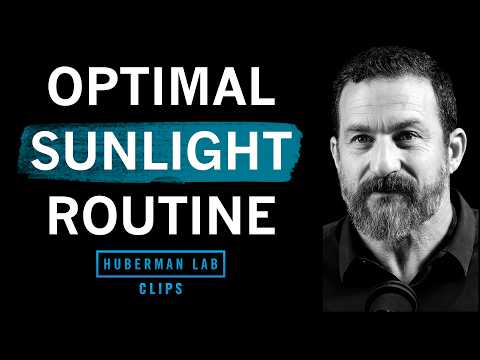
Andrew Huberman’s breakdown of how morning and evening light affect your energy and sleep is a useful primer before you change your routine.
Treat Morning Light as Part of Your Workday
The simplest and most reliable lever you have is getting light early. Upender’s advice is direct: the best way to reset your internal clock is light exposure in the morning, and it doesn’t have to be direct sunlight. Opening the curtains, turning on bright lights or getting outside for a walk all help.
For a founder, the trick is to stop treating this as a wellness habit you’ll get to if there’s time and start treating it as the opening block of your workday. Take your first call of the day on a walk. Read your morning brief by a window instead of in a dim corner of the house. Drink your coffee outside before you open your laptop. These are small changes, but they move the most important light signal of the day to the place it’s most effective, and they cost you almost nothing in time.
If you work from home, look honestly at where you sit. A desk tucked into a dark room might feel cozy in November, but ordinary indoor lighting is far dimmer than daylight. Moving your workspace closer to a window for the winter is one of the easiest upgrades you can make to how you feel by mid-afternoon.
Hold Your Schedule Steady Through the Switch
The clock change is a good test of how dependent your days are on a stable rhythm. Andrea Matsumura, a sleep physician and spokesperson for the American Academy of Sleep Medicine, told TIME that most people transition into standard time fairly easily, and her advice is simply to stick to your regular sleep schedule.
That’s the core principle for anyone who wants to keep their output steady. Keep your wake time consistent through the week of the change, even if your body is ready to get up earlier, and resist the urge to treat the extra hour as permission to stay up late every night. If you tend to wake too early in the days after the switch, Tsai suggests shifting bedtime and wake time by 10 to 15 minutes a day for a few days and getting some bright light in the evening for the first few days, while limiting it early in the morning, to nudge your clock later. Most people settle within one to two weeks.
Pay attention to how your energy behaves during those two weeks rather than pushing through it. If you notice you’re sharper earlier in the day, that’s useful information for how to plan the rest of the season.
Rebuild Your Calendar Around the Light You Have
Once the clocks change, most of the bright hours fall in the first half of the day. That’s a strong argument for moving your most demanding work there. Writing, strategy, product decisions, difficult conversations and anything else that needs your best thinking should sit in the morning and early afternoon, when you have both daylight and a fresher mind on your side.
Routine work belongs later. Email, admin, approvals and updates can happen once the light starts to fade, because they don’t demand the same quality of attention. If you’ve already built a founder energy operating system to protect your peak hours, winter is the time to adjust it, since your peak may shift earlier than it was in summer.
This is also where you can be selective about meetings. If you have control over your calendar, protect your mornings from calls that could easily happen in the afternoon. A season with less light is a good reason to defend the hours when you do your best work.
Manage the Early-Evening Dip
For many people the hardest moment of the winter workday arrives when it gets dark outside while there’s still work to do. Upender notes that earlier darkness can bring more fatigue on the commute home, and many people working from home will recognize the same feeling settling in at their desks. If you already know the familiar 3 p.m. slump, winter can make it arrive sooner and hang around longer.
Tsai’s recommendation is a 30-minute walk or 30 minutes of light exposure after work. If your schedule allows it, a walk in the last of the daylight can serve the same purpose during the day, breaking up the afternoon and giving your body one more strong light signal before the evening. Exercise earlier in the day helps too. Vanderbilt’s sleep guidance suggests exercising earlier rather than right before bed.
Be careful about what you reach for when energy drops. Caffeine late in the day might rescue one afternoon, but both TIME’s experts and Tsai advise against late caffeine, and alcohol can disrupt sleep around the time change. A tired afternoon followed by a poor night’s sleep is how a rough week turns into a rough month.
Protect Your Evenings So the Next Morning Works
Winter evenings are long, and it’s tempting to fill them with more screen time, whether that’s late emails or another episode. The problem is that light at night works against you. Tsai explains that ordinary room lighting and light-emitting devices delay the release of melatonin, which pushes sleep later and can leave you feeling out of sync.
Dim the lights in the last hour or two before bed, keep devices out of the bedroom where you can, and give yourself a predictable wind-down that signals the workday is over. It’s not glamorous, but the quality of your sleep tonight sets the ceiling for your focus tomorrow. Your best ideas in January will depend on how you treat your evenings in November.
Know When It’s More Than the Winter Blues
Feeling a bit flatter when the days get shorter is common. The National Institute of Mental Health notes that many people feel down in fall and winter and better in spring. For some, though, it’s more serious. Seasonal affective disorder is a type of depression with a recurring seasonal pattern, with symptoms that last about four to five months of the year, and the winter pattern can include oversleeping, carbohydrate cravings and social withdrawal.
If you notice your mood, energy and focus dropping significantly each winter, talk to a health care provider. NIMH lists light therapy as a long-standing treatment for winter-pattern SAD, usually involving a bright light box of 10,000 lux used for about 30 to 45 minutes, typically first thing in the morning. Mayo Clinic recommends speaking with a provider before choosing a light box, especially if you have bipolar disorder or eye conditions. Talk therapy and medication are also effective options. If you’re struggling or having thoughts of suicide, you can call or text 988 in the US.
Founders are often the last to admit when something deeper is affecting their work. Paying attention to a seasonal pattern isn’t weakness. It’s the same awareness you’d bring to any other risk in the business.
Use the Dark Season to Your Advantage
The winter months don’t have to be a slow grind until spring. Handled well, they can be some of your most focused weeks of the year, with fewer distractions, longer evenings for rest and a clear window each morning for your most important work.
The approach is simple. Get light early, keep your schedule steady through the switch, move your best work into the bright hours, guard your evenings and watch for signs that you need more support. Protecting your winter productivity comes down to respecting the one signal your body has relied on far longer than any calendar, and building your day around it.

Why Investing in Your Health Is One of the Best Decisions You Can Make

How to Get Out of a Quarter Life Crisis When Your Job Looks Great on Paper

How to Become a Professional Speaker (and Actually Get Paid)

A Practical Checklist For Building Retirement Benefits Employees Can Use

Choosing an E-Signature Platform That Fits Your Workflow
5 Ways For Startups To Succeed Making Acquisitions

77 Inspirational Quotes That Will Change Your Life
57 Memorable Kobe Bryant Quotes

Motivational Picture Quotes: 52 Images to Inspire a Successful Year

40 Rare Motivational and Inspirational Picture Quotes
3 Prince EA Videos To Change Humanities Path To Greatness
(Video) What Is Success? An Entrepreneurial Story To Inspire You
(Inspirational Video) What If Today You Knew You Were Going To Take Your Last Breath?
How To Make Enough Money From A Blog To Quit Your Job – Kate McKibbin
How Finding Your Passion And Becoming An Entrepreneur Can Lead To Happiness – Chiquita Searle
-

 Did You Know1 year ago
7 Surprising Life Lessons Video Games Taught Me That School Never Did
-

 Life2 years ago
The 5 Stages of a Quarter-Life Crisis & What You Can Do
-

 Success Advice1 year ago
Stephen Covey’s 8 Leadership Habits That Will Change How You Lead Forever
-

 Life1 year ago
How to Stop the War in Your Head and Find Peace
-

 Featured2 years ago
The Psychology of Motivation: How to Keep Moving Forward Every Day
-

 Personal Development2 years ago
The Three-Second Pause That Changes How People Perceive You
-

 Explode Your Social Media1 year ago
Want More Views? Master These 6 YouTube Growth Tactics
-

 Change Your Mindset1 year ago
You Become What You Absorb: How Input Shapes Your Life