
Business Advice
How to Do Payroll for a Small Business (Step-by-Step, Including Your First Tax Deposit)
This how to do payroll for small business guide gives you the setup checklist, a real-number first paycheck, the 2026 tax rates and your exact first deposit date.


How to do payroll for small business owners comes down to a repeatable loop: get your employer accounts set up, collect each new hire’s forms, figure gross pay, withhold the right taxes, pay your people, then deposit those taxes with the IRS and your state on time. The step that sinks most first-time employers is not the paycheck. It’s the tax deposit that’s due after it.
Here’s my blunt take. The money you withhold from an employee’s check was never yours. It’s held in trust for the government, and the IRS treats it that way. Run payroll like a bank runs a vault and you’ll be fine. Run it like a loose expense line and it will hurt you.
This guide is the process, start to finish: the setup you do once, the steps you repeat every pay period, a worked first paycheck, and exactly when your first federal deposit is due. Shopping for tools is a separate decision. Get the process into your head first, then pick the software that fits it.

This walkthrough from CSI Accounting covers the moving parts of small business payroll in about nine minutes. Watch it once, then use the checklist below for the exact order and the 2026 numbers.
What Do You Need Before You Run Your First Payroll?
You need four things in place before the first paycheck: a federal Employer Identification Number, state employer accounts, signed new-hire paperwork, and a clear call on who is actually an employee. Skip any of these and you’ll be cleaning it up later, usually with penalties attached.
- EIN: free from the IRS online. Your deposits, Form 941 and W-2s all hang off this number.
- State accounts: register for state income tax withholding (if your state has an income tax) and state unemployment insurance. Each state runs its own portal and rates.
- Form W-4 and Form I-9: the W-4 tells you how much federal income tax to withhold. The I-9 verifies the person can legally work in the U.S. Keep the I-9; you don’t send it to the government.
- New-hire report: employers must report new hires to their state directory. Federal law sets the deadline at 20 days from hire unless your state sets a shorter one, per the Administration for Children and Families.
- Classification: employee or contractor, and exempt or nonexempt for overtime. Get the classification right before the first check; my guide to W-2 vs 1099 walks through how to tell the difference.
Then pick a pay schedule (weekly, biweekly, semimonthly or monthly) and check your state’s minimum pay frequency. Open a separate payroll bank account if you can. It makes the trust money impossible to “accidentally” spend.
How to Do Payroll Step by Step Every Pay Period
Every pay period runs the same six steps. Once you’ve done it twice, it takes minutes with software and under an hour by hand for a small team.
Step 1: Collect hours and confirm gross pay
Gross pay is hours times rate for hourly staff, plus overtime, or the salary for the period. Under federal law, nonexempt employees get time and a half after 40 hours in a workweek. Some states are stricter, so check yours.
Step 2: Subtract pre-tax deductions
Pre-tax items like a traditional retirement deferral or a cafeteria-plan health premium come out before income tax withholding. Not every deduction is pre-tax for every tax, which is one reason most owners stop doing payroll by hand.
Step 3: Withhold federal income tax, Social Security and Medicare
Federal income tax withholding comes from the employee’s W-4 and the IRS tables in Publication 15-T. For 2026, the IRS Publication 15 rates are 6.2% Social Security on wages up to $184,500 and 1.45% Medicare with no cap, plus an extra 0.9% Additional Medicare Tax you withhold once an employee’s wages pass $200,000 for the year.
Step 4: Withhold state and local taxes
State income tax, and in some places city or county tax or state disability insurance. Your state revenue and labor sites publish the rates and tables.
Step 5: Pay employees and issue pay stubs
Direct deposit or check, on the pay date you promised. Give a pay stub showing gross pay, each deduction and net pay. Many states require it.
Step 6: Record your employer taxes and set aside the deposit
You owe your own matching 6.2% Social Security and 1.45% Medicare, plus federal and state unemployment tax. Move the full tax amount into the payroll account the same day you pay wages. Don’t wait for the due date to find the cash.
What Does a First Paycheck Look Like With Real Numbers?
Here’s a simplified teaching example, not tax advice. Say you hire one employee at $2,000 gross every two weeks, with no pre-tax deductions, and your company starts paying wages in March 2026.
| Line | Employee share | Employer share |
|---|---|---|
| Gross wages | $2,000.00 | – |
| Social Security (6.2%) | $124.00 withheld | $124.00 owed |
| Medicare (1.45%) | $29.00 withheld | $29.00 owed |
| Federal income tax | Per W-4 and Pub 15-T tables | – |
| State taxes | Per state tables | State unemployment at your assigned rate |
| FUTA | – | 0.6% of the first $7,000 of wages, if you get the full state credit |
Your federal deposit for that one paycheck is the federal income tax you withheld plus $306 in combined Social Security and Medicare ($153 from the employee and $153 from you). Two paychecks in March means two of those amounts go into the March deposit.
FUTA is separate. Pub 15 lists the 2026 FUTA rate at 6.0% on the first $7,000 per employee, reduced to 0.6% when you’ve paid state unemployment in full and on time. That’s $42 per employee for the year at the reduced rate, and you only deposit FUTA once the undeposited amount tops $500.
When Is Your First Payroll Tax Deposit Due?
If you’re a new employer, your first federal deposit is due by the 15th of the month after you pay wages. In the example above, March wages mean the deposit is due April 15. That’s because new businesses are monthly depositors in their first calendar year.
Pub 15 sets your schedule from a lookback period. A new business is treated as having zero tax liability in that window, so you start on the monthly schedule. Once your reported taxes for the July-to-June lookback period top $50,000, you move to the semiweekly schedule, where taxes on Wednesday-to-Friday paydays are due the following Wednesday and Saturday-to-Tuesday paydays are due the following Friday.
One rule overrides both schedules: if you pile up $100,000 or more in tax liability on any day, you deposit by the next business day.
All deposits go by electronic funds transfer. The IRS deposit page lists free options: your business tax account, IRS Direct Pay for businesses, or EFTPS. If you use EFTPS, enroll early. Don’t let the first deposit date be the day you discover the setup takes time.
Which Payroll Forms Do You File Each Quarter and Year?
Depositing the tax and reporting it are two different jobs. Most small employers file Form 941 every quarter and Form 940, W-2s and W-3 once a year.
| Form | What it reports | When it’s due |
|---|---|---|
| Form 941 | Wages, withheld income tax, Social Security and Medicare for the quarter | End of the month after each quarter: April 30, July 31, October 31, January 31 |
| Form 940 | Annual FUTA tax | January 31 for the prior year (10 extra days if all FUTA was deposited on time) |
| Form W-2 and W-3 | Each employee’s annual wages and withholding | January 31 to employees and to the Social Security Administration |
| State returns | State withholding and unemployment wages | Usually quarterly; check your state |
When a due date lands on a weekend or legal holiday, it moves to the next business day. Pub 15 shows the 2025 Form 940 deadline as February 2, 2026 for exactly that reason.
What Happens if You Deposit Payroll Taxes Late?
The late deposit penalty starts at 2% and climbs fast. Pub 15 lists 2% for deposits 1 to 5 days late, 5% for 6 to 15 days, 10% for 16 or more days, and 15% for amounts still unpaid more than 10 days after the first IRS notice.
The bigger risk is the trust fund recovery penalty. If withheld taxes don’t get paid, the IRS can go after the people responsible for paying them personally. That’s why I tell founders to never borrow from the payroll tax account to cover a slow month. Cut your own pay first. Call your lender. Don’t touch the withholding.
There’s some relief for honest first-timers. Pub 15 says the IRS may waive the penalty when you inadvertently miss the first quarter you were required to deposit, as long as you filed the return on time and meet the size limits. Don’t plan on it. Plan on paying early.
Should You Do Payroll Yourself or Use a Payroll Service?
Do it by hand only if you have one or two salaried employees in one state and you genuinely enjoy the paperwork. For almost everyone else, software that calculates withholding, files Form 941 and makes deposits for you is worth the monthly fee.
Whichever route you choose, you’re still the one on the hook. A payroll provider can make deposits on your behalf, but the IRS holds the employer responsible if they don’t. Log into your IRS business tax account or EFTPS every quarter and confirm the deposits actually landed.
One more thing to keep off the paycheck: expense reimbursements. Expense reimbursements paid under an accountable plan aren’t wages, so they stay out of the withholding math entirely.
Write the steps on one page and tape it inside your payroll folder. Knowing payroll isn’t the hard part. Doing it the same way every two weeks, without skipping the deposit, is.
Frequently Asked Questions
Do I need to run payroll if I am the only person in my business?
Sole proprietors don’t pay themselves through payroll; they cover self-employment tax with quarterly estimated payments. S corporation owners who work in the business generally must take a reasonable salary through payroll, with withholding and Form 941 like any employee.
How often do small businesses have to deposit payroll taxes?
New employers deposit monthly, by the 15th of the following month, in their first calendar year. Businesses that reported more than $50,000 in the lookback period deposit semiweekly, and anyone with $100,000 or more in liability on one day deposits next business day.
What taxes does an employer pay on payroll?
For 2026, employers pay 6.2% Social Security on wages up to $184,500, 1.45% Medicare, federal unemployment tax (FUTA) on the first $7,000 per employee, and state unemployment tax. Some states add other employer taxes.
What is the first step in doing payroll for a small business?
Get your EIN and register for state withholding and unemployment accounts before you hire. Then collect Form W-4 and Form I-9 from each new employee and report the hire to your state directory.
What is the 2027 Social Security wage base for payroll?
The Social Security Administration set the 2027 wage base at $192,300, up from $184,500 in 2026. Update your payroll settings before the first 2027 pay date so the 6.2% stops at the right number.






Business Advice
How to Write a Business Plan for a Loan: What Lenders Read First
This how to write a business plan for a loan guide covers the lender checklist, funding-request table, projection rules and appendix docs banks open first.

How to write a business plan for a loan starts with one job: prove the business can repay the debt from operating cash. Lenders read the funding request, the cash flow forecast and the debt service coverage first, then the management team and collateral. Everything else supports those three.
A loan plan is not the same document as an investor deck. Investors buy upside. Lenders buy repayment. Write for the person who has to explain your file in a credit committee.
I see the same mistake over and over. A founder sends a 40-page plan packed with market research, then leaves the loan amount, the use of funds and the monthly payment math fuzzy. The credit analyst does not need your origin story. They need to know the money comes back.

This short U.S. Small Business Administration overview walks through the traditional plan sections lenders expect. Watch it once, then build the loan-specific pieces below on top of that outline.
What Lenders Read First in a Business Plan for a Loan
Credit teams do not read cover to cover on the first pass. They hunt for a short list of answers. If those answers are missing or soft, the rest of the plan rarely saves the file.
| What they check first | Where it lives in your plan | What to show clearly |
|---|---|---|
| Exact loan ask | Executive summary and funding request | Amount, use of funds, term and proposed repayment source |
| Ability to pay | Cash flow forecast | Monthly year-one cash, with the loan payment already in the model |
| Debt service coverage | Under the financials | Cash available for debt service divided by principal and interest |
| Owner skin in the game | Sources and uses | How much cash or equity you are putting in alongside the loan |
| Who runs the business | Management section | Relevant operating history, not a resume dump |
| Backup if cash is short | Collateral and personal guarantee notes | What can be pledged and who is signing |
The SBA’s traditional business plan outline still maps to what most banks and SBA lenders want: executive summary, company description, market analysis, organization and management, service or product line, marketing and sales, funding request, financial projections and an appendix. For a loan, the funding request and financial projections carry more weight than a pretty market narrative.
How to Write the Funding Request Section
Be specific. State the exact amount, what it buys, and how you will repay it. A vague “working capital” line is a red flag. A line that says “$185,000 for a second production oven ($95,000), three months of inventory ($60,000) and installation labor ($30,000)” reads like a plan.
Break the ask into a simple sources and uses table:
- Uses: equipment, inventory, build-out, working capital buffer, closing costs.
- Sources: the loan, your cash, seller financing if any, and other equity.
If the loan is for buying another company, say that up front and point the reader to how a business acquisition loan is underwritten. Acquisition files get extra scrutiny on seller notes, earnouts and working capital pegs, so do not bury the deal structure.
Also say what you are offering as collateral and whether you expect a personal guarantee. You do not set the bank’s terms, but hiding the likely ask makes the underwriter do the work for you, which slows the file.
Financial Projections Lenders Actually Trust
This is the section that usually decides the outcome. The SBA guidance on traditional plans asks for projected income statements, balance sheets and cash flow statements, with the first year broken into monthly or quarterly detail. Existing businesses should include recent historical financials next to the forecast, not instead of it.
What I want every founder to do before they send the file:
- Put the loan payment in the model. If the payment is not in the cash flow, the forecast is fiction.
- Show the lowest cash month. Banks care about the trough, not the average.
- State every big assumption. Price, volume, hire dates, churn, seasonality. Soft assumptions kill credibility faster than a weak month.
- Include a debt schedule. Current loans, rates, maturities and monthly payments. The SBA publishes a debt schedule template many lenders still ask for.
- Run a down-case. Show what happens if revenue is 15% to 20% lighter. If the payment still clears, the file gets easier to approve.
A clean 13-week cash flow forecast is one of the best attachments you can add for an existing business. It shows near-term liquidity in a format operators and lenders both understand.
Debt service coverage is the ratio many credit teams lean on. In plain English: after normal operating needs, how many times can the business cover principal and interest? Different lenders set different floors, and SBA programs have their own rules, so treat any target as a conversation with your banker or CPA, not a guarantee.
Company, Market and Management Sections Without the Fluff
Keep these tight. The company description should say what you sell, who pays you, how long you have operated and what makes the business hard to copy. The market section should size the customers you can actually reach, not the entire industry TAM from a slide deck.
Management is about relevant operating history. If you have never run a multi-location business and you are asking for money to open three at once, say how you close that gap with a key hire or an operator. Lenders underwrite people as much as spreadsheets.
Products, marketing and operations should answer one question: how does a sale turn into collected cash? Channel, pricing, sales cycle, fulfillment and payment terms all matter because they drive working capital.
Appendix Checklist Most Loan Packages Need
The plan is the narrative. The appendix is the evidence. Typical attachments include:
- Business and personal tax returns (often three years)
- Interim year-to-date financials and recent bank statements
- Personal financial statement for guarantors
- Debt schedule
- Resumes for key managers
- Licenses, leases, contracts, purchase orders or letters of intent that support the revenue story
- Equipment quotes or purchase agreements matching the use of funds
- Ownership chart and entity documents
University of La Verne’s SBDC and many other SBA resource partners teach the same package logic: the plan, the projections and the supporting documents have to tell one consistent story. If the funding request says $185,000 for equipment and the quote in the appendix is $240,000, the file stalls.
A Practical Order of Work
Do not write the executive summary first. Build in this order:
- Sources and uses, then the funding request
- Historical financials and the debt schedule
- Monthly year-one cash flow with the loan payment inside it
- Income statement and balance sheet projections
- Company, market, product, marketing and management sections
- Appendix
- Executive summary last, in one or two pages
Then cut. A loan-ready plan that a credit analyst can skim in twenty minutes beats a novel nobody finishes. If a section does not help prove repayment, move it to the appendix or delete it.
One more practical tip. Before you submit, ask your banker what their credit memo template looks for. Different shops weight collateral, personal credit and industry risk differently. Matching their checklist is not gaming the system. It is respect for how they actually decide.
Frequently Asked Questions
How long should a business plan for a loan be?
Most lender-ready plans land between 15 and 30 pages plus an appendix. Length matters less than clarity on the ask, cash flow and repayment. Cut anything that does not help a credit analyst underwrite the file.
Do I need a business plan for an SBA loan?
Yes for most new businesses and many change-of-ownership or expansion files. Some lenders lean harder on financial projections for established companies, but a clear plan still helps the credit memo and keeps your story consistent.
What financial statements do lenders want in a loan business plan?
Expect historical income statements, balance sheets and cash flow statements when the business has a track record, plus projections for the next two to five years. Year one should usually be monthly.
What is debt service coverage in a business plan for a loan?
It is cash available for debt service divided by scheduled principal and interest. Lenders use it to test whether the business can make the payment after normal operations. Ask your banker what ratio their program expects.
Should a startup business plan for a loan include personal finances?
Usually yes. Startups lack deep business history, so underwriters look at personal credit, personal financial statements and the owner’s cash contribution. Treat the personal package as part of the application, not an afterthought.

Think about the last time someone thanked you for something specific you did, right after you did it. Now think about your last annual bonus. Which one changed how you worked the following week?
For most people, it’s the first. That isn’t ingratitude. It’s how the human brain connects effort to outcome. Leaders who understand this can build teams that stay motivated all year, not just in the month after bonus season.
The brain rewards what happens next
Behavioral psychology has long shown that the timing of a reward matters as much as its size. In operant conditioning, a behavior is reinforced most strongly when the consequence follows it closely. The longer the gap, the weaker the link.
An annual bonus arrives months after most of the work it rewards. By the time it lands, people struggle to connect it to any particular action. It feels like part of their compensation, not a response to something they did. That makes it a weak tool for shaping behavior, however generous it is.
A small reward given within days, or hours, of a specific win sends a clear message: this mattered, and we noticed.
Recognition is about meaning, not money
The other half of the story is intrinsic motivation. People do their best work when they feel competent, autonomous and connected to a purpose. A large, impersonal payment can actually crowd that out, turning meaningful work into a transaction.
Small, personal recognition does the opposite. It tells someone their contribution was seen by a real person. The value is in the attention, and the reward is the proof.
Why small and frequent wins
Frequent recognition has a few clear advantages over a once-a-year payout:
- It reinforces the right behaviors. Specific, timely praise shows people exactly what good looks like.
- It spreads motivation across the year. Energy doesn’t spike in December and fade by March.
- It reaches more people. A modest budget split across many moments recognizes quiet contributors, not just top performers.
- It builds a culture. When recognition becomes normal, colleagues start recognizing each other too.
What good recognition looks like
The best recognition is specific, timely and personal. “Great job this quarter” is forgettable. “The way you handled that client call on Tuesday saved the account” is not.
A tangible token makes the moment stick. It doesn’t need to be large. A lunch, an extra afternoon off or a gift card to a favorite store all work. With remote and international teams, many leaders now rely on instant digital rewards that land in someone’s inbox within minutes, wherever they are. The speed matters: the closer the reward is to the win, the stronger the message.
Don’t scrap the bonus — rebalance it
None of this means annual bonuses are useless. They reward long-term commitment and keep pay competitive. The point is that a bonus alone can’t carry the weight of motivation.
Consider setting aside a small share of your recognition budget for in-the-moment rewards. Give managers the freedom to use it without lengthy approval chains. Track how often it’s used, and celebrate teams that use it well.
A habit worth building
If you lead people, try this for one month. Each week, find one specific thing someone did well and recognize it within 48 hours. Make it personal, and attach something small but real.
You’ll likely notice what the research predicts. People repeat the behaviors that get noticed. And a team that feels seen every week will outwork a team that waits all year to hear it mattered.
Business Advice
How Hiring an Offshore EA Changed My Week as a Founder
Hire Overseas founder Philip Ruffini shares how an offshore executive assistant can reduce daily interruptions, improve delegation, and create more time for business growth.


Hiring an offshore executive assistant changed how I approached my workweek as a founder. Instead of treating every meeting, follow-up, and administrative request as something I needed to handle personally, I began thinking about which responsibilities could be delegated. The real opportunity was not simply saving time. It was creating more room for leadership, business development, and the decisions that required my attention.
As a founder, one of the biggest challenges is knowing when to stop doing everything yourself.
When you’re building a business, being involved in every detail can feel necessary. You want to stay close to your customers, support your team, and make sure nothing important gets overlooked.
But there’s a point when that involvement starts working against you. Your calendar fills up. Your inbox becomes a running list of other people’s priorities. Small administrative decisions interrupt the time you’ve set aside for work that could actually move the business forward.
I’ve come to see this as one of the most important challenges founders need to solve as their companies grow: How do you remain accountable for the business without becoming responsible for every task?
At Hire Overseas, we help companies recruit dedicated remote professionals, including executive assistants. That work has reinforced an important lesson about delegation: finding someone capable is only part of the solution. You also need to give that person the context, authority, and processes to make your workday easier.
Here’s how I think about the role of an offshore executive assistant, the responsibilities worth delegating, and what founders should consider when building a more manageable workweek.
Why I Had to Rethink How I Spent My Time as a Founder
I believe one of the easiest traps founders fall into is confusing being busy with being effective.
In the beginning, doing everything yourself can be an advantage. You’re close to the work, decisions happen quickly, and you understand how every part of the business operates.
But as the company grows, that approach becomes harder to sustain.
A founder’s workday can quickly become divided into small administrative responsibilities:
- Morning: Reviewing emails, coordinating meetings, and responding to scheduling requests.
- Afternoon: Answering internal questions, approving routine requests, and checking project updates.
- Evening: Catching up on business development, planning, and other priorities that received little attention during the day.
None of these administrative tasks is necessarily difficult. The problem is how often they interrupt more important work.
The Real Cost of a Fragmented Schedule
Paul Graham describes a similar challenge in his essay Maker’s Schedule, Manager’s Schedule.
His central distinction is that some work happens effectively in short intervals, while other work requires longer periods of uninterrupted concentration.
Founders need both.
You need to be available for your team, but you also need time to think about hiring, customers, growth, and the direction of the company.
I don’t think the solution is simply to become better at managing a crowded calendar. It’s to question why so much routine coordination needs to reach the founder in the first place.
That realization changes how you approach delegation.
Instead of asking, “How can I get through everything on my list?” you begin asking, “Which of these responsibilities actually needs me?”
How an Offshore Executive Assistant Can Reduce a Founder’s Daily Interruptions
An offshore executive assistant can reduce a founder’s daily interruptions by taking ownership of recurring administrative work, organizing communication, and managing follow-ups within clear decision-making boundaries.
For me, the important distinction is between delegating individual tasks and delegating responsibility for an ongoing process.
If I ask someone to schedule one meeting, I’ve delegated a task.
If that person understands my availability, meeting priorities, preparation requirements, and scheduling preferences, they can manage the process without needing instructions every time.
That’s a much more useful form of support.
Here are the responsibilities I believe founders should consider transferring first:
- Calendar management: Coordinating meetings, resolving scheduling conflicts, and protecting time for focused work.
- Inbox coordination: Sorting messages, preparing routine responses, and identifying requests that genuinely require the founder’s attention.
- Meeting preparation: Gathering documents, preparing agendas, and organizing relevant information before important conversations.
- Follow-up management: Tracking commitments, monitoring deadlines, and coordinating updates with responsible team members.
- Travel coordination: Researching options, arranging itineraries, and handling logistical changes.
- Administrative reporting: Maintaining trackers, organizing records, and consolidating information into useful summaries.
These responsibilities share an important characteristic: they need to be completed consistently, but they don’t always require the founder’s personal involvement.
Why I Value Ownership More Than Task Completion
A capable EA shouldn’t need to ask the same question every day.
Once expectations are clear, the assistant should understand what can be handled independently, what needs approval, and what deserves immediate attention.
Consider calendar management.
I wouldn’t want an assistant interrupting me to approve every routine scheduling request. I’d rather establish the rules in advance:
- Which meetings take priority?
- What hours should remain protected?
- How much preparation time should be reserved?
- Which scheduling conflicts require approval?
With those guidelines, the assistant can make routine decisions while escalating exceptions.
The goal isn’t to transfer leadership responsibilities. It’s to remove unnecessary administrative decisions from the founder’s day.
What Changed When I Started Thinking About Delegation Differently
The most meaningful change in how I approach executive assistance is recognizing that delegation should improve the structure of the workweek, not just reduce the number of tasks on a to-do list.
A founder can delegate dozens of small assignments and still feel overwhelmed if every assignment requires a new explanation, approval, or follow-up.
That’s why I think recurring responsibilities are more valuable to delegate than isolated tasks.
Here’s how I would compare the two approaches:
| Responsibility | Founder-led approach | Delegated approach |
|---|---|---|
| Inbox | Review and categorize most messages personally | EA organizes messages and escalates decisions |
| Calendar | Coordinate availability and resolve conflicts | EA schedules within established rules |
| Meeting preparation | Gather documents before each call | EA prepares agendas and background information |
| Follow-ups | Personally remember and chase commitments | EA maintains action trackers and requests updates |
| Focus time | Respond to interruptions throughout the day | EA filters routine requests and protects work blocks |
| Weekly planning | Reconstruct outstanding tasks | EA prepares a consolidated priorities summary |
This table illustrates the difference between founder-led and delegated workflows, rather than reporting measured personal results.
The real improvement is fewer unnecessary interruptions between important decisions.
Instead of spending time collecting updates, the founder receives organized information.
Instead of coordinating every meeting, the founder focuses on preparing for the conversations that matter.
And instead of trying to remember every outstanding commitment, the founder has a reliable process for tracking them.
What I Would Tell Founders to Delegate First
I would start with work that happens repeatedly, follows recognizable rules, and consumes attention without requiring strategic judgment.
Before hiring an offshore EA, I recommend looking at your typical workweek and identifying three types of responsibilities.
1. Tasks That Follow a Repeatable Process
These are often the easiest responsibilities to transfer.
Examples include scheduling meetings, preparing standard documents, maintaining records, and organizing routine communications.
If you can explain how the task should be completed and what a successful outcome looks like, there’s a good chance someone else can take ownership of it.
2. Tasks That Require Context but Not Constant Approval
Some responsibilities require a deeper understanding of your preferences.
Inbox management is a good example.
An EA needs to know which customers matter most, which requests are urgent, and when a response should be escalated.
But once those expectations are established, the founder shouldn’t need to review every routine message.
3. Tasks That Support Important Decisions
This is where delegation becomes especially valuable.
An assistant may not be responsible for deciding whether to hire another employee or pursue a new business opportunity.
However, they can organize interview schedules, gather relevant information, coordinate stakeholders, and prepare documents.
That allows the founder to focus on the decision itself.
My rule of thumb is simple: Delegate the preparation and coordination surrounding important decisions, even when the decisions themselves remain yours.
Why I Believe Offshore Hiring Makes Sense for Founders
I believe offshore hiring deserves consideration because it gives founders access to qualified professionals beyond their immediate local labor market.
At Hire Overseas, we recruit talent across the Philippines, Latin America, and Africa. That experience has shown me the importance of matching candidates to the actual responsibilities, communication requirements, and working hours of a role.
For executive assistants, location can influence how support fits into the founder’s schedule.
Philippines: Support for Structured and Asynchronous Workflows
The Philippines has an established outsourcing industry and a large English-speaking professional workforce.
Its UTC+8 time zone can be useful for founders who want administrative work organized outside their own working hours.
However, if the role requires live coordination during U.S. business hours, I would prioritize candidates who can reliably work the required shift.
Latin America: Convenient U.S. Working-Hour Overlap
Latin American markets can offer useful overlap with U.S. business hours.
That can be particularly valuable when an assistant needs to coordinate meetings, communicate with U.S.-based employees, or respond to requests throughout the founder’s day.
What Matters More Than Geography
I wouldn’t choose an executive assistant based on location alone.
I’d prioritize communication, judgment, organization, discretion, and the ability to learn how the founder operates.
A candidate who understands your priorities and takes ownership of responsibilities can provide more value than someone selected primarily because of a lower hourly rate.
How I Would Evaluate an Offshore Executive Assistant
When hiring an offshore executive assistant, I would evaluate how someone handles real administrative situations rather than relying entirely on interview answers.
A strong résumé is useful, but it doesn’t tell you how a candidate will prioritize conflicting requests or communicate when something goes wrong.
I would include practical assessments such as:
| Assessment | What I Would Look For |
|---|---|
| Resolve a calendar conflict | Prioritization and judgment |
| Draft a customer email | Written communication and professionalism |
| Organize an executive inbox | Ability to distinguish urgent from routine requests |
| Prepare a meeting brief | Research and information organization |
| Manage competing deadlines | Ownership and proactive communication |
I would also ask candidates to explain their reasoning.
For example, if two important meetings overlap, what information would they need before making a recommendation?
If an urgent customer email arrives while the founder is unavailable, what would they do?
The answers reveal whether the candidate can work independently within appropriate boundaries.
Choosing the Right Hiring Model
Founders can recruit through freelance marketplaces, virtual assistant agencies, direct employment, or dedicated offshore staffing providers.
Each approach involves a different level of recruitment and administrative responsibility.
At Hire Overseas, our approach is to recruit dedicated professionals based on the client’s specific requirements. We support screening, HR, payroll, and compliance, while clients interview candidates and direct their day-to-day responsibilities.
That arrangement can be useful for founders who want a dedicated assistant without managing the entire international recruitment process themselves.
But regardless of the hiring model, I believe the founder remains responsible for defining the role and establishing expectations.
How I Would Structure the First 30 Days With an Offshore EA
I wouldn’t expect a new executive assistant to understand my priorities immediately.
Even an experienced professional needs time to learn the business, important relationships, and preferred ways of working.
I would structure onboarding around four stages.
Week 1: Share Context and Establish Boundaries
Explain the business, important stakeholders, recurring responsibilities, and communication preferences.
Document which decisions the assistant can make independently and which require approval.
Provide access only to the systems needed for initial responsibilities.
Week 2: Transfer Repeatable Responsibilities
Start with calendar coordination, meeting preparation, and routine administrative follow-ups.
Review completed work and clarify instructions where necessary.
This is also a good time to document processes using tools such as Loom, Notion, or Asana.
Week 3: Introduce More Independent Work
Gradually allow the assistant to manage recurring workflows within established rules.
For example, they might organize inbox priorities, recommend scheduling adjustments, or prepare draft responses.
The objective is to build judgment through context and feedback.
Week 4: Review Results and Adjust
Evaluate whether routine work is being handled consistently and whether the founder is experiencing fewer interruptions.
I would pay particular attention to:
- The number of routine decisions still requiring approval.
- Missed follow-ups or scheduling errors.
- The quality of meeting preparation.
- Whether important requests are escalated appropriately.
- How much time the founder can protect for priority work.
These indicators help determine whether delegation is becoming more effective.
What Founders Should Know About Trust and Access
An executive assistant may need access to sensitive calendars, communications, customer information, and internal documents.
That makes trust important, but trust shouldn’t replace proper security controls. I would establish individual user accounts, multi-factor authentication, and clearly defined access permissions.
Where available, tools such as Gmail and Outlook support delegated mailbox access without sharing the founder’s personal password. Password managers and project management platforms can also help limit access to the information required for assigned work. Confidentiality agreements, documented procedures, and prompt access removal are equally important.
Good delegation should reduce operational friction without creating unnecessary security risks.
Is Hiring an Offshore EA Worth It for Founders?
Yes, I believe hiring an offshore EA can be worth it when the founder has recurring administrative responsibilities that prevent them from concentrating on higher-value work.
But the value shouldn’t be judged by how many tasks the assistant completes.
I’d look at three broader outcomes. First, has the founder gained more capacity? If the assistant manages routine coordination effectively, the founder should have more room for customer relationships, business development, leadership, or strategic projects. Second, has the business become more organized? Meetings should be prepared, commitments tracked, and important information easier to access.
Third, has the company become less dependent on the founder for routine decisions? This is particularly important as the team grows.
An EA cannot determine the company’s priorities. That’s still the founder’s responsibility.
But the right person can help ensure those priorities aren’t constantly displaced by administrative demands.
The Biggest Lesson: Protect Your Time by Building Better Support
One lesson I keep coming back to as a founder is that growth requires changing how you spend your time.
The habits that help you build a business in its earliest stages don’t always help you lead it as it expands. Being involved in every detail can create momentum initially. Eventually, it can limit how much the company accomplishes without you.
That’s why I see hiring an offshore executive assistant as more than an administrative decision.
It’s an opportunity to establish clearer responsibilities, improve coordination, and create space for the work that genuinely requires your attention. My advice to founders is to start by examining their own workweek. Identify the recurring tasks that consume your attention, determine which decisions actually need your involvement, and build a support structure around the difference.
The goal isn’t to become less involved in your business. It’s to become more intentional about where your involvement creates the most value.
The discussion of fragmented schedules references Paul Graham’s Maker’s Schedule, Manager’s Schedule. Workflow comparisons, hiring assessments, and onboarding stages are illustrative frameworks, not measured personal outcomes.
Frequently Asked Questions
What Does an Offshore Executive Assistant Do for a Startup Founder?
An offshore EA manages recurring administrative responsibilities such as scheduling, inbox coordination, meeting preparation, follow-ups, and travel arrangements. The role helps founders reduce interruptions and stay focused on business priorities.
Is an Offshore Executive Assistant Different From a Virtual Assistant?
An executive assistant generally provides ongoing support to a specific leader and develops familiarity with their priorities and working preferences. A virtual assistant may handle broader administrative or task-based responsibilities. The roles can overlap depending on the arrangement.
Should Founders Hire a Full-Time or Part-Time Offshore EA?
Part-time support may work for limited administrative needs. A dedicated full-time EA may be more appropriate when the founder needs consistent assistance throughout the workweek and wants someone to develop deeper operational context.
What Should Founders Delegate First to an Offshore EA?
Start with repeatable responsibilities such as calendar management, meeting preparation, inbox organization, and routine follow-ups. Establish clear instructions and approval boundaries before transferring more judgment-based work.
Business Advice
How to Motivate Employees: 9 Things That Work Better Than a Bonus (and What Kills Drive)
This how to motivate employees guide gives founders 9 levers that outlast a bonus, a drive-killer fix table and a 5-step plan for the person who has checked out.

How to motivate employees: pay people fairly so money stops being the distraction, then give them a clear target, real ownership over how they hit it, proof they’re making progress, and a manager who actually talks to them every week. Bonuses can lift effort on simple, routine work, but for thinking work the boost fades fast. What kills drive is almost always the system around the person: fuzzy priorities, micromanaging, rewarding the wrong thing and promises that never land.
If you only fix one thing, fix the manager. Gallup estimates managers account for at least 70% of the variance in team engagement, and only 31% of U.S. employees were engaged at work in 2025.
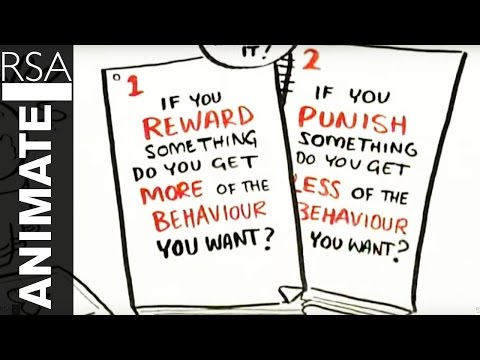
Dan Pink’s eleven-minute RSA talk above is still the best short explanation I know of why a bigger bonus so often fails to buy better work.
Here’s the pattern I see with founders. The team goes flat, deadlines slip, the energy in the room dies, and the first instinct is to throw money at it. A bonus pool. A spiff. A pizza Friday. Two weeks later everyone is back where they were, and the founder decides they’ve hired the wrong people. Sometimes that’s true. Most of the time, though, the people are fine. They just can’t see what winning looks like, they don’t get to decide anything, and nobody tells them when they’ve done something good. That’s not a people problem. That’s a design problem, and it’s yours to fix.
Why a Bonus Rarely Fixes Motivation
Money matters. Let’s not pretend it doesn’t. When Pew Research asked Americans why they quit a job in 2021, 63% said low pay. But the same share, 63%, said there were no opportunities for advancement, and 57% said they felt disrespected at work. Pay gets people in the door. It doesn’t make them care once they’re inside.
That’s the core of Pink’s argument in Drive: pay people enough to take money off the table, then motivation for complex work comes from autonomy, mastery and purpose. It lines up with self-determination theory from psychologists Edward Deci and Richard Ryan, which has spent decades showing that people stay driven when they feel in control of their work, good at it and connected to others.
A bonus also has a shelf life. The second time you pay it, it stops being a reward and starts being expected. The third time, missing it feels like a pay cut.
How to Motivate Employees: 9 Things That Work Better Than a Bonus
1. Fix pay first, then stop talking about it
Check your rates against the market once a year and close any gap you find, before someone has to ask. A fair base salary removes the resentment that quietly eats everything else on this list. Then put your energy into the other eight.
2. Make the target impossible to miss
Every person on your team should be able to say, in one sentence, what they’re responsible for this quarter and how they’ll know they’ve won. Write it down. If you have to explain someone’s priorities twice, they have too many.
3. Give people ownership of the how
Set the outcome and the deadline. Then let them choose the method, the order and, where you can, the hours. Autonomy is the cheapest motivator you have, and micromanaging is the fastest way to destroy it.
4. Make progress visible every week
Harvard’s Teresa Amabile and Steven Kramer studied nearly 12,000 diary entries from 238 people on 26 project teams in seven companies. In “The Power of Small Wins” they reported that, of everything that can lift motivation during a workday, the biggest is making progress in meaningful work. So break big projects into wins people can see, and point them out when they happen.
5. Show them who the work is for
Wharton’s Adam Grant ran a study with university fundraising callers. Those who spent about five minutes with a student who’d received a scholarship from the money they raised spent more than twice as many minutes on the phone a month later and brought in an average of $503.22 a week, up from $185.94, as Knowledge at Wharton reported. Put your team in front of real customers. Forward the thank-you emails. Read out the five-star review on Monday.
6. Hold a weekly one-on-one and protect it
Thirty minutes, same time every week, their agenda first. Ask what’s blocking them and what they need from you. If 70% of engagement sits with the manager, this half hour is where most of it gets won or lost.
7. Recognize the specific thing, quickly
“Great job” is noise. “The way you rewrote that onboarding email cut our support tickets in half” is fuel. Say it the same week, and say it in front of the team when the person is comfortable with that. There’s a fuller piece on how employee recognition ties to business growth, so I’ll keep this one short: specific and fast beats big and late every time.
8. Build a path they can see
No advancement was the joint top reason people quit in that Pew survey. In a small company you might not have job titles to hand out, but you can hand out bigger problems, new skills, a budget or a client of their own. Sit down twice a year and map out what the next level looks like for them.
9. Get out of the way
Founders kill more motivation by being the bottleneck than by anything they say. If every decision waits for your sign-off, your best people stop making decisions. Learning to build a business that runs without you isn’t only about your freedom. It’s how your team gets room to own something.
What Kills Employee Drive (and the Fix)
| Drive killer | What it looks like | The fix |
|---|---|---|
| Rewarding the wrong thing | You ask for quality but praise whoever ships fastest | Make what you reward match what you say matters |
| Moving goalposts | Priorities change every Monday | Lock quarterly goals and change them on purpose, not on impulse |
| Micromanaging | You rewrite their work instead of coaching it | Agree the outcome, then review results, not keystrokes |
| Tolerating a low performer | Your best people quietly cover for someone else | Address it within weeks, not quarters |
| Broken promises | The raise or promotion “next quarter” never comes | Promise less, deliver on every promise you make |
| Disrespect | Cut off in meetings, ignored on Slack, blamed in public | Praise in public, correct in private, answer messages |
Harvard Business School Online makes the same point in its guide for managers: when behavior doesn’t match your goals, people are often responding rationally to the incentives they actually experience. Before you ask why someone isn’t motivated, ask what your system is really rewarding.
How to Motivate an Unmotivated Employee
- Ask before you assume. Book a private conversation and open with what you’ve noticed, not a verdict. “Your energy’s been down the last month. What’s going on?” You’ll be surprised how often it’s a sick parent, a broken tool or a role that drifted.
- Check the system, not just the person. Are their goals clear? Do they have what they need? Did something you changed land on them?
- Reset expectations in writing. Agree two or three specific outcomes for the next 30 days, with dates.
- Engineer an early win. Give them something they can finish and feel good about inside two weeks. Momentum is easier to rebuild than to lecture into someone.
- Follow up weekly, then decide. If it turns around, say so. If it doesn’t after a fair run, it may be a fit problem, and keeping them in the wrong seat is unfair to them and to everyone carrying the load.
The 5 P’s of Motivation and the Top 3 Motivators
You’ll see “the 5 P’s of motivation” everywhere, but there isn’t one agreed version. The most common workplace list is Purpose, Pride, Praise, Pay and Perspective (a clear path to grow). Some versions swap in Progress or People. Treat it as a checklist, not science. If one of the five is missing for someone on your team, that’s where to start.
As for the top three motivators, I’d go with the research. Self-determination theory names autonomy, competence and relatedness: control over your work, getting better at it and feeling connected to the people around you. Pew’s quitting data tells the same story from the other side. Fair pay, room to advance and respect are what make people stay.
A One-Week Example for a Small Team
Say you run an eight-person agency and the team has gone flat. Here’s what a reset could look like (an illustration, not a formula):
- Monday: Share the quarter’s three priorities on one page. Each person writes the one outcome they own.
- Tuesday: Forward a client’s thank-you note to the people who did the work, by name.
- Wednesday: Hand one decision you normally make, like choosing the tools for a project, to the person closest to it.
- Thursday: Run thirty-minute one-on-ones. Ask one question: what’s the dumbest thing slowing you down?
- Friday: Fix two of those blockers before the weekend and tell the team you did.
None of that costs a cent. All of it tells people their work matters and that you’re paying attention.
Frequently Asked Questions
What are the 5 P’s of motivation?
The most common workplace version is Purpose, Pride, Praise, Pay and Perspective, meaning a clear path to grow. Some lists use Progress or People instead. There’s no single research-backed version, so use it as a checklist.
What are the top 3 motivators for employees?
Research on self-determination theory points to autonomy, competence and relatedness. In Pew’s survey of people who quit, the top reasons were low pay, no advancement and feeling disrespected, so fair pay, growth and respect matter most for keeping people.
How do you motivate an unmotivated employee?
Talk privately first and ask what’s changed. Check whether goals and tools are clear, agree two or three outcomes for the next 30 days, set up an early win, then follow up weekly before deciding whether it’s a fit problem.
Do bonuses motivate employees?
For simple, routine work, they can lift effort in the short term. For creative or complex work, the lift fades and repeat bonuses become expected. Fair base pay plus autonomy, progress and recognition tends to last longer.
How do you motivate employees without money?
Give clear goals, ownership over how the work gets done, visible progress, specific recognition and a growth path. Weekly one-on-ones and removing blockers cost nothing and are among the strongest levers a manager has.
How do you keep remote employees motivated?
Be extra clear about outcomes, since people can’t read the room. Keep weekly one-on-ones on video, share wins in a public channel and judge results rather than online status.

SIMPLE IRA for Small Business: 2027 Limits, Match Rules and When It Beats a 401(k)

How to Do Payroll for a Small Business (Step-by-Step, Including Your First Tax Deposit)

Cash Flow Management Tools: The 8 Founders Actually Use (and What Each Costs)

Team Building Activities for Work: 15 Ideas Your Team Won’t Roll Their Eyes At

Why Consistency Beats Motivation When Your Schedule Gets Busy
5 Ways For Startups To Succeed Making Acquisitions

77 Inspirational Quotes That Will Change Your Life

57 Memorable Kobe Bryant Quotes

Motivational Picture Quotes: 52 Images to Inspire a Successful Year

40 Rare Motivational and Inspirational Picture Quotes
3 Prince EA Videos To Change Humanities Path To Greatness
(Video) What Is Success? An Entrepreneurial Story To Inspire You
(Inspirational Video) What If Today You Knew You Were Going To Take Your Last Breath?
How To Make Enough Money From A Blog To Quit Your Job – Kate McKibbin
How Finding Your Passion And Becoming An Entrepreneur Can Lead To Happiness – Chiquita Searle
-

 Did You Know1 year ago
7 Surprising Life Lessons Video Games Taught Me That School Never Did
-

 Life2 years ago
The 5 Stages of a Quarter-Life Crisis & What You Can Do
-

 Success Advice1 year ago
Stephen Covey’s 8 Leadership Habits That Will Change How You Lead Forever
-

 Life1 year ago
How to Stop the War in Your Head and Find Peace
-

 Featured2 years ago
The Psychology of Motivation: How to Keep Moving Forward Every Day
-

 Personal Development2 years ago
The Three-Second Pause That Changes How People Perceive You
-

 Explode Your Social Media1 year ago
Want More Views? Master These 6 YouTube Growth Tactics
-

 Change Your Mindset1 year ago
You Become What You Absorb: How Input Shapes Your Life