
Health
Considering EBOO Therapy? How to Prepare and What to Expect


EBOO, short for Extracorporeal Blood Oxygenation and Ozonation, is a procedure that circulates blood outside the body through medical equipment before returning it to the bloodstream. People considering it should approach the appointment with clear questions, realistic expectations, and a complete understanding of the clinic’s instructions.
Preparation may involve reviewing current medications, eating and drinking appropriately, arranging transportation, and planning for a calm recovery period afterward. Because EBOO is not a routine treatment for most medical conditions and evidence for many claimed benefits remains limited, discussing potential risks, alternatives, and goals with a licensed clinician is an important first step.
What to Know Before, During, and After
The days before an EBOO appointment are usually more about consistency than dramatic changes. Unless the treating clinician gives different directions, patients are often advised to maintain normal meals, avoid arriving dehydrated, and make sure they understand whether any medications or supplements require discussion before the procedure.
Blood-thinning medicines, anti-inflammatory drugs, herbal products, and supplements that may affect bleeding should never be stopped on your own, but they are worth mentioning because venous access is part of the process. Sleep also matters for comfort, since arriving tired, hungry, or tense can make a long clinic visit feel more difficult.
Some centers providing advanced EBOO IV therapy may give their own pre-appointment instructions based on the equipment they use, the patient’s medical history, and the expected length of the session. It is also sensible to avoid scheduling demanding work, travel, or strenuous exercise immediately after the appointment until you know how your body responds.
Medical Review and Questions Before the Session
A thorough medical review should happen before the procedure begins, particularly because EBOO involves access to the bloodstream and circulation through external equipment. The clinician may ask about previous problems with IV placement, fainting, bleeding, blood-clotting disorders, anemia, allergies, pregnancy status, heart or kidney conditions, and any history of reactions during medical procedures.
This is also the time to ask what the clinic intends to accomplish with treatment and how it plans to measure progress. Patients should understand what the procedure can realistically address, which outcomes remain uncertain, and what other care options exist for the same concern. Asking how long the appointment is expected to take, whether anticoagulation is used, how vital signs are monitored, and what symptoms would cause the session to stop can make the process easier to understand. Clear consent should include possible side effects, limitations in the evidence, and the clinic’s plan if an unexpected reaction occurs during treatment.
Comfort, Clothing, Food, and Practical Planning
Practical preparation can have a noticeable effect on how manageable the visit feels. Clothing should be loose enough to allow easy access to the arms and comfortable enough for a prolonged period of sitting or reclining. A light meal beforehand may be appropriate for many people, unless the clinic has instructed fasting for a particular reason, and heavy meals immediately before treatment may be uncomfortable.
Bringing water may also be useful if the clinic allows drinking during the session. Because movement may be limited once the lines are in place, it is wise to use the restroom before the procedure starts and keep personal items within easy reach. Patients who become cold easily may want to ask whether a blanket is available. It is also helpful to confirm whether driving afterward is permitted, especially for a first session. Even when no sedation is used, fatigue, lightheadedness, or simply the length of the visit may make having someone else available a practical precaution.
What the Appointment May Feel Like
The experience can vary depending on the clinic’s equipment, protocol, and the patient’s veins, but the appointment commonly begins with basic observations such as blood pressure, pulse, and a short review of how the patient is feeling that day. Venous access is then established, and the patient remains seated or reclined while blood moves through the external system and returns to the body.
The insertion of needles or catheters may cause brief discomfort, and some people may notice pressure, coolness, warmth, or other temporary sensations during the visit, although individual experiences differ. Staff should remain available to observe the access sites, monitor the patient, and respond to symptoms such as dizziness, nausea, pain, shortness of breath, chest discomfort, or a feeling that something is wrong. Patients should report symptoms promptly rather than trying to tolerate them silently. The goal is not to push through discomfort but to allow the clinical team to decide whether adjustments or stopping the session are needed.
Recovery and Evaluating the Experience
After the session ends, the access sites are removed and pressure is usually applied to reduce bleeding or bruising. The clinic may observe the patient briefly before discharge, especially if there was lightheadedness or difficulty with venous access. Once home, many people prefer a quieter schedule, with adequate fluids, regular meals, and limited strenuous activity. Small bruises or tenderness around insertion sites can occur after procedures involving venous access, but persistent bleeding, increasing swelling, severe pain, fainting, fever, chest pain, breathing difficulty, or symptoms that feel serious should prompt medical attention.
It is also useful to note how you feel later that day and the following day rather than judging treatment only by immediate sensations. EBOO is sometimes promoted with broad claims involving energy, inflammation, circulation, immune function, or detoxification, yet evidence supporting many of these claims remains limited. A sensible follow-up should focus on measurable changes, the original reason for treatment, and whether continuing the procedure still makes sense alongside established medical care. EBOO should not delay diagnosis, prescribed treatment, or urgent care for a condition that requires conventional management.
Conclusion: Prepare With Clarity, Not Assumptions
Preparing for EBOO means more than drinking water and showing up on time. It involves understanding why the procedure is being considered, reviewing medical risks, following clinic instructions, and knowing what symptoms deserve attention during and after the session. Practical choices such as comfortable clothing, a normal meal when permitted, transportation planning, and a lighter schedule afterward can also make the experience easier. Just as important, expectations should stay grounded in the available evidence. Before moving forward, make sure a licensed clinician has reviewed your history, explained realistic goals and alternatives, and given you clear guidance for preparation, recovery, and follow-up.











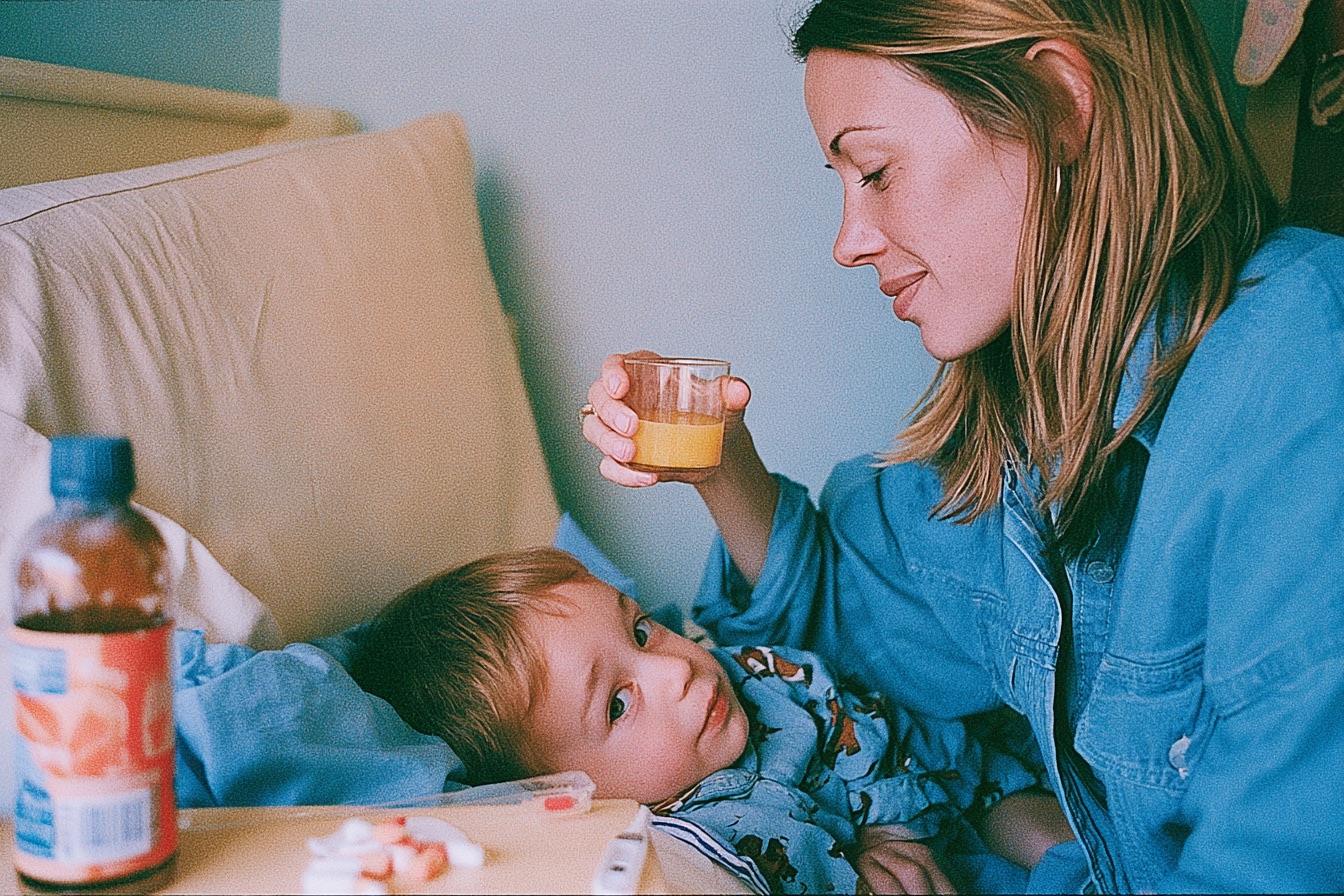
If you are looking into stem cell treatment abroad for children, you’re probably already drowning in research. Conversations with doctors, conversations with other parents, reading late into the night because you can’t sleep anyway.
It could be autism. Cerebral palsy. Or something else entirely. Whatever it is, the idea of flying your child to another country for medical care sounds both hopeful and terrifying.
There’s a lot to figure out. Logistics: flights, accommodation, which clinics are actually legitimate. The emotional weight of it. And all the practical stuff nobody warns you about until you’re already deep in it.
Whether you end up at Swiss Medica or another reputable clinic specializing in stem cell therapy for autistic children and pediatric conditions, your role as a prepared caregiver will shape your child’s entire journey.
Why Proper Preparation Actually Matters
Traveling abroad for stem cell therapy is exhausting. Your child’s dealing with new surroundings, jet lag that’s no joke, an unfamiliar culture, plus the actual stress of medical procedures. It’s a lot on a young nervous system.
Kids who feel prepared and secure handle procedures better. Their emotional state will affect their recovery. Explain to them what’s coming, and keep to a routine.
Medical Prep Before You Go
Your child’s medical foundation needs to be solid before you book those flights.
The following is important:
- Get comprehensive medical records from your home doctor, including blood work and imaging.
- Document allergies and medication sensitivities clearly.
- Make sure your child’s medications will actually travel. Pack at least 30% extra just in case.
- Get travel insurance that actually covers medical tourism and stem cell procedures.
- Ask your home physician for a letter explaining your child’s condition and why this treatment makes sense.
- Talk directly with the clinic you’ve chosen, Swiss Medica or another one, about their specific requirements. Reputable places will give you detailed questionnaires and might request additional testing before you arrive.
The Practical Logistics Stuff
International travel with a child who needs medical care means you will have to think about the following.
Travel essentials:
- Passports valid for at least six months past your travel dates
- Insurance docs and emergency contact info
- Medical records and any treatment agreements
- Currency and credit cards, plus knowledge of local banking
- Airport accessibility info if your child needs it
Comfort items for travel:
- Favorite books, toys, comfort objects
- Snacks they actually enjoy and can handle
- Entertainment for the flight (download stuff beforehand)
- Comfy, loose-fitting clothes
- Meds and first aid supplies in your carry-on
The Emotional Side
Your kid’s feelings matter here; they really do affect how they handle everything and bounce back afterward.
Talk to them before appointments. Use language they actually get. Young kids just need the basics: “The doctors are helping your body heal.” That’s enough. Older kids will ask more questions, and they should. Answer them honestly.
Keep things normal. Video calls with family, their favorite show, whatever connects them back home. These things matter more than you think when everything feels off.
What to Expect at the Facility
When you arrive, orientation is key. Meet the medical team, ask all your questions, get clear on what each day looks like. Facilities like Swiss Medica make this straightforward, and they keep communication lines open with parents.
You need to understand the actual treatment protocol. How many sessions? What sensations might your kid feel? Any side effects? What’s allowed between treatments? Knowing this prevents surprises and builds confidence for your child.
Your Daily Routine During Treatment
Most treatments don’t take long, so you’ll have a lot of the day free. Structure helps everyone feel less anxious:
- Medical appointments at their scheduled times
- Real rest time after treatments
- Age-appropriate activities and recreation
- Good meals and staying hydrated
- Time outdoors if the medical team gives the okay
Connect with other families there. Most clinics help parents meet each other, which helps prevent isolation, and act as a support network for adults.
The Journey Home and What Comes Next
Plan your return travel carefully. Your child might be exhausted after treatment, so give recovery time before flying if you can. Talk to your medical team about activity restrictions for the trip home.
Once you’re back, stay in contact with your clinic according to their follow-up schedule. Some recommend check-ins at specific intervals. Document your child’s progress, and set realistic expectations. You’re likely to see gradual improvement.
Putting It Together
Arranging stem cell treatment abroad for children can be exhausting and complicated. But if you do it right, you’re setting up the best possible foundation for a good experience and successful treatment.
This choice to pursue stem cell treatment abroad for children is deeply personal and could mean a better future for your family.
Share Your Story
If you’re considering traveling abroad for stem cell therapy, share your experience in the comments. Your experience could help other families.

Best Insurance Outsourcing and BPO Services in 2026: How Smart Founders Buy Back Their Time

Considering EBOO Therapy? How to Prepare and What to Expect

How to Protect Your Profit When Local Tax Rates Climb

How Selling Options Can Add Discipline to a Stock Portfolio

Choosing the Best CFD Broker for Algorithmic Trading Success

5 Ways For Startups To Succeed Making Acquisitions

77 Inspirational Quotes That Will Change Your Life
57 Memorable Kobe Bryant Quotes

(Images) 52 Motivational Picture Quotes For An Epic Year Of Success

40 Rare Motivational and Inspirational Picture Quotes

3 Prince EA Videos To Change Humanities Path To Greatness

(Video) What Is Success? An Entrepreneurial Story To Inspire You

(Inspirational Video) What If Today You Knew You Were Going To Take Your Last Breath?

How To Make Enough Money From A Blog To Quit Your Job – Kate McKibbin

How Finding Your Passion And Becoming An Entrepreneur Can Lead To Happiness – Chiquita Searle
-

 Success Advice2 years ago
20 Creative Ways To Make Money From Home
-

 Success Advice2 years ago
7 Habits of Highly Effective Mediocre People
-

 Creativity2 years ago
176 Inspirational Pablo Picasso Quotes on Art, Creativity and Life
-

 Life2 years ago
10 Ways Your Life is Like a Video Game
-

 Life2 years ago
13 Meaningful Ways to Show Someone They Matter
-

 Life2 years ago
The 5 Stages of a Quarter-Life Crisis & What You Can Do
-

 Did You Know1 year ago
7 Surprising Life Lessons Video Games Taught Me That School Never Did
-

 Success Advice1 year ago
Stephen Covey’s 8 Leadership Habits That Will Change How You Lead Forever