
Life
What the Army Taught Me About Letting Go of Who I Thought I Was
It would become my first real teacher in the art of transformation

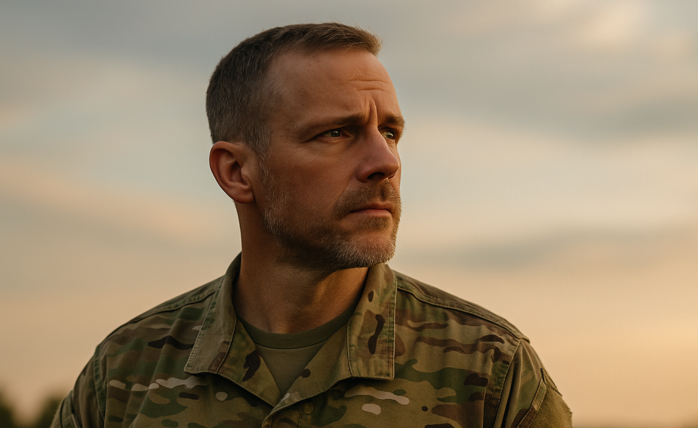
Everything is Changing, All the Time
What I thought I was and would continue to be disappeared in a single sentence: “You’re unfit for duty.”
After many years of service in the Army, years filled with structure, purpose, and pride, I was told I had to go. I didn’t want to leave, and it wasn’t because I failed. It was because my body had changed in a way I couldn’t control. I had no choice but to be discharged.
In that moment, I wasn’t just losing a job. I was losing my identity. Worse still, I had no plan for my way ahead. No next step. No idea who I would be on the other side.
Learning to Let Go
Letting go of everything that had defined me was painful, but by then, I had experience. When I was told that my Army service was over, I knew I could handle it this time as well. My years of service taught me a critical lesson that many spend a lifetime resisting: everything changes, and nothing belongs to us forever.
In Buddhist philosophy, this concept is known as anicca, the principle of impermanence. Along with it arises dukkha, the suffering we experience when we cling to what is slipping away.
That day, as shocking and painful as it was, I didn’t fall apart. Because I had already experienced letting go, not just once, but repeatedly, I knew this was the time again to move on.
Searching for Something More
At seventeen, I was standing at another kind of edge. I had grown up with very little, no clear direction, no financial safety net, and no real belief that I had something valuable to offer the world.
But I wanted more. I didn’t know what more looked like, I just knew I needed to escape the gravity of my circumstances. So, I did what many people do when they’re searching for a lifeline: I joined the military.
What I didn’t realize back then was that this choice wouldn’t just give me a paycheck, structure, and training; it would also give me a sense of purpose. It would become my first real teacher in the art of transformation.
Growth Wasn’t Optional
Over the years, the Army provided me with something more valuable than skills or stability, it offered repeated chances to shed old identities and embrace new ones.
The catch? Growth wasn’t optional. In the Army, if you don’t evolve, you’re out. Maintaining the status quo is not an option.
Prominently for an Army career, the promotion system is “up or out.” If I didn’t advance to the next rank in time, I’d be discharged. Starting as a Private, I needed to be promoted five times to remain for a full career.
Each promotion brought new challenges, and the biggest was the transition from being led to leading. That shift shaped me for life.
Nothing Stays the Same
Then there were the disappearing jobs.
Along with the pressure to get promoted and lead effectively, I also had to face the reality that even technical skills could vanish overnight. I was first trained in tactical communication systems until the Army phased them out. So, I retrained.
I became a computer systems technician. I learned fast, became proficient, and the systems became outdated.
I retrained again, this time as a software developer. It was the best fit yet, challenging and fulfilling.
But then came the diagnosis. The one that ended it all.
From Identity Loss to Transformation
A medical condition meant I could no longer serve. My career was over. Not because I failed, but because life happened.
But I had learned how to manage change. I had done it over and over again. And this time, I was ready to start over again.
I took stock of what I had gained: not just skills, but resilience, leadership, trust, adaptability, and calm under pressure. These were not just military traits; they were human strengths. Transferable strengths.
Rebuilding From the Ground Up
With those tools, I stepped into the real world. I rebuilt my life intentionally, using the same mindset, discipline, and curiosity, but now with greater self-awareness.
Something remarkable happened: I began to thrive in ways I hadn’t expected. My second career took off faster than I imagined, but more importantly, I realized the thing that had been there all along:
Change wasn’t just something I had survived, it had become a way of life.
Change Is a Spiritual Practice
Looking back now, across 24 roles and 22 different homes, I see that every version of myself required letting go.
Each time I released what no longer fit, I made space for something new.
Letting go wasn’t loss. It was liberation.
What I’ve Learned
-
Don’t get too comfortable. Even the most stable roles and identities can shift beneath us. Change isn’t a disruption, it’s life happening in real time.
-
Letting go isn’t failure, it’s freedom. Holding onto what no longer fits keeps us trapped. Releasing it allows new growth.
-
Change is an ongoing process. It’s not a one-time event. It’s something we move through over and over, learning trust each time.
These are more than military lessons. They’re truths that have carried me through grief, uncertainty, reinvention, and renewal.
If You’re Facing Change…
Whether you’re ending a relationship, starting a new job, chasing a dream, or simply becoming someone new, remember:
Letting go doesn’t mean giving up.
Sometimes it’s the bravest form of self-trust.
It’s how we stay whole, even when everything else is shifting.


Life
Why Moving to a New City Can Change Your Mindset
Discover how moving to a new city boosts neuroplasticity, builds resilience, and reshapes your mindset


Relocation is always a challenge. Rebuilding and restarting your life requires you to step outside of your comfort zone. (more…)
Change Your Mindset
The Hidden Reason You Can’t Stay Consistent
If motivation keeps failing you, the real issue isn’t discipline. It’s the identity shaping your habits and long-term success.

Success often looks like a time-management problem. You buy a planner, set reminders, and hope that next week will be different. For a few days, it works. Then stress hits, motivation drops, and old patterns return. (more…)
Did You Know
How Skilled Migrants Are Building Successful Careers After Moving Countries
Behind every successful skilled migrant career is a mix of resilience, strategy, and navigating systems built for locals.

Moving to a new country for work is exciting, but it can also be unnerving. Skilled migrants leave behind familiar systems, networks, and support to pursue better job opportunities and a better future for their families. (more…)



How to Get Motivated Again When Nothing Feels Exciting

8 Investing Mistakes Beginners Make That Kill Wealth Fast

The Productivity Stack That Eliminates Busywork in 2026

How Big Brands Scale Content Into a Competitive Advantage

The Hidden Cost of Slow Communication in Business And How to Fix It

5 Ways For Startups To Succeed Making Acquisitions

77 Inspirational Quotes That Will Change Your Life

(Images) 52 Motivational Picture Quotes For An Epic Year Of Success

40 Rare Motivational and Inspirational Picture Quotes
30 Famous Quotes That Will Inspire Success In You

3 Prince EA Videos To Change Humanities Path To Greatness

(Video) What Is Success? An Entrepreneurial Story To Inspire You

(Inspirational Video) What If Today You Knew You Were Going To Take Your Last Breath?

How To Make Enough Money From A Blog To Quit Your Job – Kate McKibbin

How Finding Your Passion And Becoming An Entrepreneur Can Lead To Happiness – Chiquita Searle
-

 Tech + Humanity Integration4 weeks ago
Essential AI Tools for Business Meetings in 2026
-

 Success Advice4 weeks ago
The Mobile Analytics Platforms Smart Marketers Are Using in 2026
-

 Explode Your Social Media4 weeks ago
Realistic Instagram Growth Strategy for 10K Followers
-

 Crypto News4 weeks ago
4 Practical Ways to Stay Ahead of Cryptocurrency Market Trends
-

 Wealth4 weeks ago
This Should Be a Core Part of Your Wealth Strategy
-

 Finances4 weeks ago
This Technology Is Changing The Way You Send Money Worldwide
-

 Scale Your Business4 weeks ago
How to Build a Successful Email Campaign in 2026
-

 Tech3 weeks ago
The Entrepreneur’s Guide to Securing Your Phone and Protecting Your Focus in 2026