
Motivation
What Disasters Teach Us About Strength, Resilience, and Rebuilding Life Again
Disasters take everything in moments, but what people build after reveals something far more powerful.


Disasters don’t just test infrastructure, they test people. In a matter of hours, floods can erase homes, earthquakes can reshape entire cities, and wildfires can turn familiar landscapes into ashes.
And yet, what often stands out most is not the destruction, but how people respond to it. Globally, disasters are becoming more frequent and intense.
According to the United Nations Office for Disaster Risk Reduction (UNDRR), the world now experiences over 350 to 500 medium to large-scale disasters every year, a significant rise compared to previous decades.
These numbers highlight a powerful truth: while disasters are increasing, so is the need for stronger systems, faster response, and collective resilience.
Beyond statistics, disasters reveal something deeper, how individuals, communities, and support networks come together in the face of loss.
They remind us that resilience isn’t something we’re built with, it’s something we develop through experience, support, and collective effort.
That said, here are five powerful lessons disasters teach us about strength, resilience, and rebuilding life again.
1. Strength Often Emerges in the Most Difficult Moments
Disasters have a way of revealing the strength people didn’t know they had. In normal circumstances, most individuals go about life within routines and comfort zones. But when everything familiar is disrupted, something shifts.
People make quick decisions, take responsibility, and step up, not because they’re prepared, but because the situation demands it. Because of this:
- A neighbor becomes a rescuer.
- A stranger becomes emotional support.
- A community becomes a survival system.
What disasters teach us here is simple but powerful: strength is not something we wait to feel ready for, it shows up when there’s no other option. It’s not about being fearless. It’s about continuing forward, even when fear exists.
2. Resilience Is Built Through Support Systems
One of the clearest things disasters teach us is that no one rebuilds alone. In the immediate aftermath, survival may be individual, but recovery is always collective. People don’t just need resources; they need reassurance, structure, and human connection to regain a sense of normalcy.
This is where support systems become the foundation of resilience. For example, well-structured disaster assistance programs play a critical role in helping individuals transition from survival to recovery.
These programs provide essentials like shelter, food, medical care, and emotional support, allowing people to stabilize before they begin rebuilding.
Reliable organizations like The American Red Cross are often at the center of these efforts, coordinating both immediate relief and long-term recovery support.
The deeper lesson here is that resilience is not just about enduring hardship alone, it’s about how shared effort, timely support, and human connection make rebuilding life possible after even the most difficult situations.
3. Recovery Is Not Instant, It Redefines Patience
Disasters challenge one of our biggest assumptions, that once the danger passes, life quickly returns to normal. In reality, recovery is slow, uneven, and often unpredictable. Communities move through phases:
- Immediate survival.
- Short-term adjustment.
- Long-term rebuilding.
But beyond these stages, disasters teach something deeper: recovery is not about returning to the old life, it’s about creating a new version of it. People rebuild homes, yes, but they also rebuild routines, identities, and a sense of stability.
The lesson here is about patience. Progress may feel invisible at times, but every small step forward is part of a much larger transformation.
4. Preparedness Can Save Lives and Reduce Impact
While disasters cannot always be prevented, their impact can often be reduced through preparedness.
Globally, improved early warning systems and disaster planning have significantly lowered death rates in many regions, even as disasters become more frequent. Preparedness includes:
- Emergency planning.
- Community awareness.
- Infrastructure resilience.
- Training and education.
These efforts highlight a powerful insight: resilience begins before a disaster occurs. Communities that invest in preparedness are better equipped to respond quickly, minimize damage, and recover faster. It shifts the focus from reacting to disasters to actively managing risk.
5. Rebuilding Is Not Just Physical, It’s Emotional Too
When we think about rebuilding after a disaster, we often focus on physical recovery, homes, roads, and infrastructure. But emotional recovery is just as important.
Disasters can leave lasting psychological impacts, including stress, anxiety, and trauma. That’s why modern disaster response increasingly includes emotional and mental health support.
For example, humanitarian organizations provide psychological first aid to help individuals cope with loss, uncertainty, and disruption. This support helps people regain a sense of stability and move forward with confidence.
Rebuilding, therefore, is not just about restoring what was lost, it’s about helping people feel safe, supported, and hopeful again.
Conclusion
Disasters are undeniably devastating, but they also reveal something powerful about human nature. They show us that even in the face of loss, people are capable of extraordinary strength, compassion, and resilience.
From the importance of support systems to the reality of long-term recovery and the value of preparedness, each lesson highlights a different aspect of how we rebuild, not just structures, but lives.
In the end, disasters don’t just test resilience, they help create it. And through collective effort, informed action, and continued support, recovery becomes not just possible, but meaningful.


Business
DIY vs Delegate: The Real Reason You’re Burned Out
Doing everything yourself feels productive until it quietly becomes the reason your business can’t scale.

You know that moment when your brain has 37 tabs open and every tab is screaming “urgent”? That’s the DIY life when it starts to crack. (more…)
Life
10 Research-Backed Steps to Create Real Change This New Year
This New Year could finally be the one where you break old patterns and create real, lasting change.


Every New Year, we make plans and set goals, but often repeat old patterns. (more…)
Life
How Sports Quietly Build Kids’ Emotional Intelligence And Why It Matters for Life
Sports create a natural loop of awareness and action that kids carry into real life

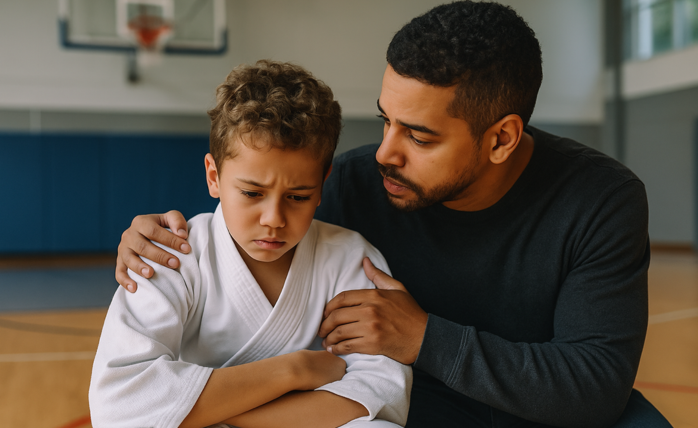
A missed shot in basketball. A tumble during a gymnastics routine. A tough loss in karate sparring. These moments can feel huge to a child, sparking frustration, embarrassment, or even tears. (more…)
Did You Know
7 Surprising Life Lessons Video Games Taught Me That School Never Did
Want to get better at something? Study the pros. That applies to both life and video games


If you play video games, you’ll quickly discover you’re not alone. You’ll meet people who share your interests, challenge your skills, and even teach you something new about yourself. I started gaming when I was 10. A classmate invited me to play after school, and I was hooked. (more…)

Why the Future of Business Lies in Cross-Industry Integration

10 Generative AI Companies Leading Real Business Results in 2026

Why More Entrepreneurial Thinking Is Needed in Manufacturing

How Your Workspace Is Rewiring Your Brain (For Better or Worse)

5 Red Flags That Signal a 2026 Hiring Disaster

5 Ways For Startups To Succeed Making Acquisitions

77 Inspirational Quotes That Will Change Your Life

(Images) 52 Motivational Picture Quotes For An Epic Year Of Success

40 Rare Motivational and Inspirational Picture Quotes
30 Famous Quotes That Will Inspire Success In You

3 Prince EA Videos To Change Humanities Path To Greatness

(Video) What Is Success? An Entrepreneurial Story To Inspire You

(Inspirational Video) What If Today You Knew You Were Going To Take Your Last Breath?

How To Make Enough Money From A Blog To Quit Your Job – Kate McKibbin

How Finding Your Passion And Becoming An Entrepreneur Can Lead To Happiness – Chiquita Searle

-

 Scale Your Business3 weeks ago
The New Rules of High-Converting Landing Pages in 2026
-

 Tech4 weeks ago
The Entrepreneur’s Guide to Securing Your Phone and Protecting Your Focus in 2026
-

 Personal Development4 weeks ago
Why Changing Your Environment Can Be the Fastest Way to Level Up Your Life
-

 Personal Development4 weeks ago
This Is Becoming the Secret Weapon of High Performers
-

 Startups3 weeks ago
This is the Silent Killer of Startup Growth in 2026
-

 Tech4 weeks ago
What the First AI Companies Can Teach Today’s Entrepreneurs About Building the Future
-

 Crypto News4 weeks ago
How Entrepreneurs Are Using Stablecoins to Rethink Global Payments
-

 Business4 weeks ago
2026 Entrepreneur’s Guide: 5 Legal Tips to Protect Your Success